

Most cost estimates go wrong before anyone picks a material. A homeowner takes the square footage of their kitchen, multiplies it by a number they found online, and arrives at a total that is wrong by a factor of two. The arithmetic is not the problem. The unit is.
A renovation cost estimator turns your project into labor hours, material quantities, and fixture counts, then prices each one against your local market. Per-square-foot figures are a sanity check at the end of that work, never a substitute for it.
Why Per-Square-Foot Numbers Mislead You on Kitchens and Bathrooms
A whole-house renovation spreads cost evenly, so cost per square foot works reasonably well. A kitchen concentrates an extraordinary amount of work into about 200 square feet, and the per-square-foot number stops meaning anything useful.
Think about what a $30,000 mid-range kitchen actually contains: cabinet boxes and doors, countertops cut and installed, a sink and a faucet, appliances on a dedicated circuit, under-cabinet lighting, backsplash tile, and new flooring. Divide that by 200 square feet and you get a number that looks absurd until you price it line by line and discover it is reasonable.
The same trap applies to bathrooms, where moving a plumbing line can add several thousand dollars without changing a single square foot of floor.
Three cases where per-square-foot fails you completely:
- Layout changes. Moving a wall changes the plumbing and electrical routing, not the area.
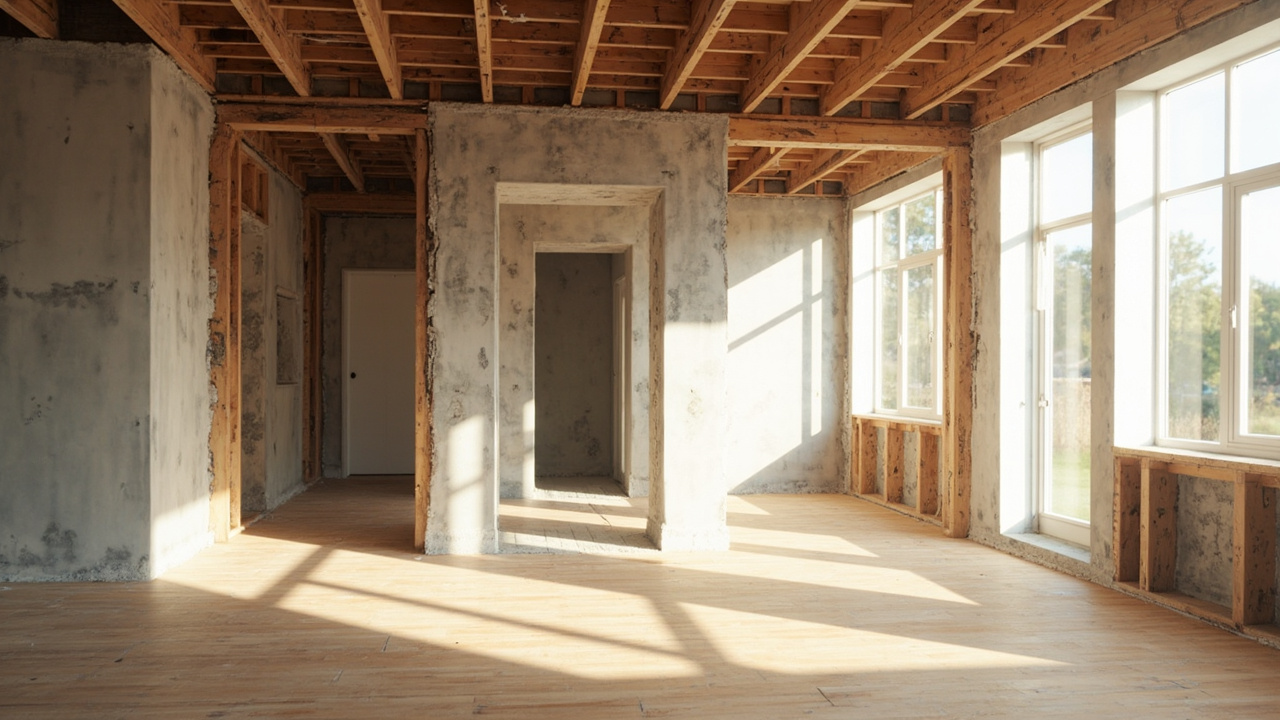
- Unknown conditions. Opening a wall in a 1970s house can reveal wiring that needs replacement.
- Regional labor spread. The same kitchen runs roughly 30 percent cheaper in a rural market than in a major metropolitan area.
Use square footage to sense-check a contractor’s number. Never use it to produce one.
Kitchen, Bathroom, and Basement: What Each One Really Costs
Current national ranges cluster consistently across published 2026 sources. Treat these as planning bands, not quotes.
- Kitchen remodel, mid-range: $150 to $350 per square foot, or roughly $14,500 to $40,500 for a typical 150 to 200 square foot space. This is usually the single largest line item in a house.
- Bathroom remodel, mid-range: $250 to $500 per square foot, or $6,500 to $28,000. A full gut with a layout change sits at the top; a fixture swap and new paint sits at the bottom.
- Basement finishing: $30 to $75 per square foot, or $12,000 to $35,000. Adding a bathroom pushes this up by $8,000 to $15,000 because of the plumbing.
- Whole-house mid-range renovation: $20 to $60 per square foot. Cosmetic surface work runs $5 to $20.
- Full gut renovation: $100 to $200 per square foot, with structural work landing between $75 and $150.
Two modifiers apply almost everywhere. A room with no existing plumbing runs at the low end; one that needs new lines runs high. A house built before 1980 carries more unknown-condition risk, and that risk belongs in your contingency rather than in your base estimate.

Building the Estimate Line by Line
A defensible estimate has five columns. Work through them in order and the total arrives on its own.
- Demo and prep. Labor hours to strip the space, plus disposal. This line is almost always underestimated by homeowners because it feels like it should be quick.
- Trade labor. Plumbing, electrical, drywall, tile, flooring, paint. Estimate hours per task, then apply your local fully-loaded labor rate, which includes worker’s compensation, insurance, and overhead.
- Materials. Count actual quantities with a waste factor of 10 to 15 percent on anything cut from a sheet, and about 5 percent on discrete items like fixtures.
- Fixtures and equipment. Appliances, faucets, lighting, and hardware. These vary more than any other line.
- Soft costs. Permits, design fees, debris removal, and protection. Frequently 10 to 20 percent of the hard total.
Then add your contingency separately. For a straightforward cosmetic job, 10 percent is defensible. For anything involving structural work, unknown wiring, or plumbing relocation, 15 to 20 percent is realistic. Our guide to setting a renovation budget you can actually hold covers how to size that number rather than guess it.
Regional Multipliers and Why Your Market Is Not Average
National averages are averages, and average describes a place that may not resemble yours. Regional labor rate is usually the single largest driver of variance between two bids for identical work in different markets. A useful adjustment when you have no local data yet: multiply by about 0.75 for rural markets, 1.35 for urban, and up to 1.6 for high-cost metropolitan areas.
Better than a multiplier is a real local number. Two sources beat any calculator:
- Three bids on your actual scope. Once you have them, your true market rate is the median, and the spread itself tells you how much regional variance you should expect.
- Published permit and inspection schedules. Your building department publishes fee tables, which are public and current.
Cost estimating is also where scope discipline pays off. Choosing a renovation contractor covers why three bids for the same project legitimately differ, and why normalizing scope before comparing numbers prevents you from reading a low bid as a bargain when it is really a different project.
Where Estimates Break Down and What to Do About It
Every estimate fails in predictable ways. Recognizing which failure is approaching is most of the skill.
- The allowance trap. A number for a choice you have not made yet is not an estimate. It is a deferral, and it moves the risk onto you.
- Scope drift. When the estimate is built for one job and the work becomes three, the original number stops applying. Rebuild it rather than adjusting it.
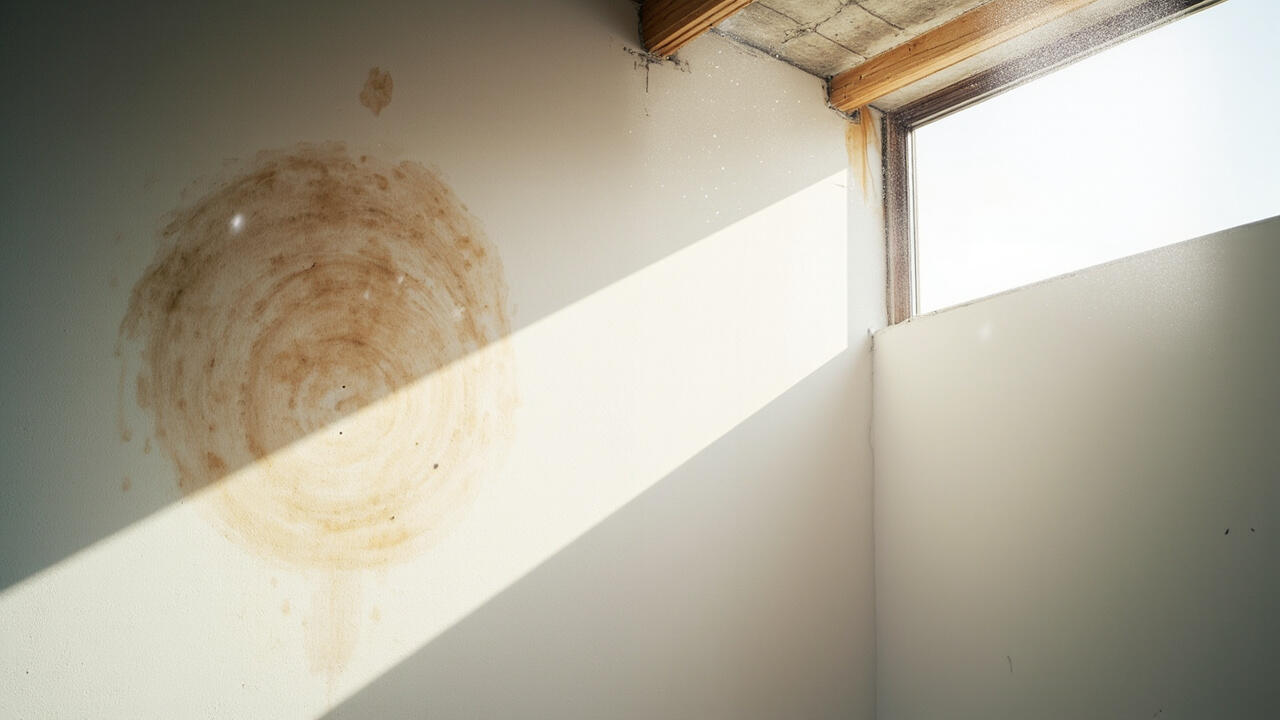
- The discovery surprise. Anything behind a wall, under a floor, or above a ceiling is genuinely unknown until opened. Budget for it instead of being surprised by it.
- Underestimating coordination. When several trades work in sequence, the gaps between them are real time that somebody has to manage.
Most of these become expensive late, when the homeowner has already spent most of the money and has little leverage left. That is why the costly renovation mistakes cluster so heavily around decisions made before construction starts.
Before you commit to a number, pressure-test it against the cheapest realistic version of the project, not the version you want. If the honest floor is above your budget, that is a planning result, and finding it now costs you an afternoon instead of a change order.