
Wondering what your contractor means by HVAC, and what you are actually paying for? The short answer: heating, cooling, ventilation, and the controls that run them, sized to your house and installed as one matched set. A typical full replacement runs $5,000 to $12,000 depending on system type, home size, and ductwork condition. An HVAC system is a matched set of heating, cooling, ventilation, and control equipment sized to keep one specific home comfortable in every season.
What an HVAC System Actually Is
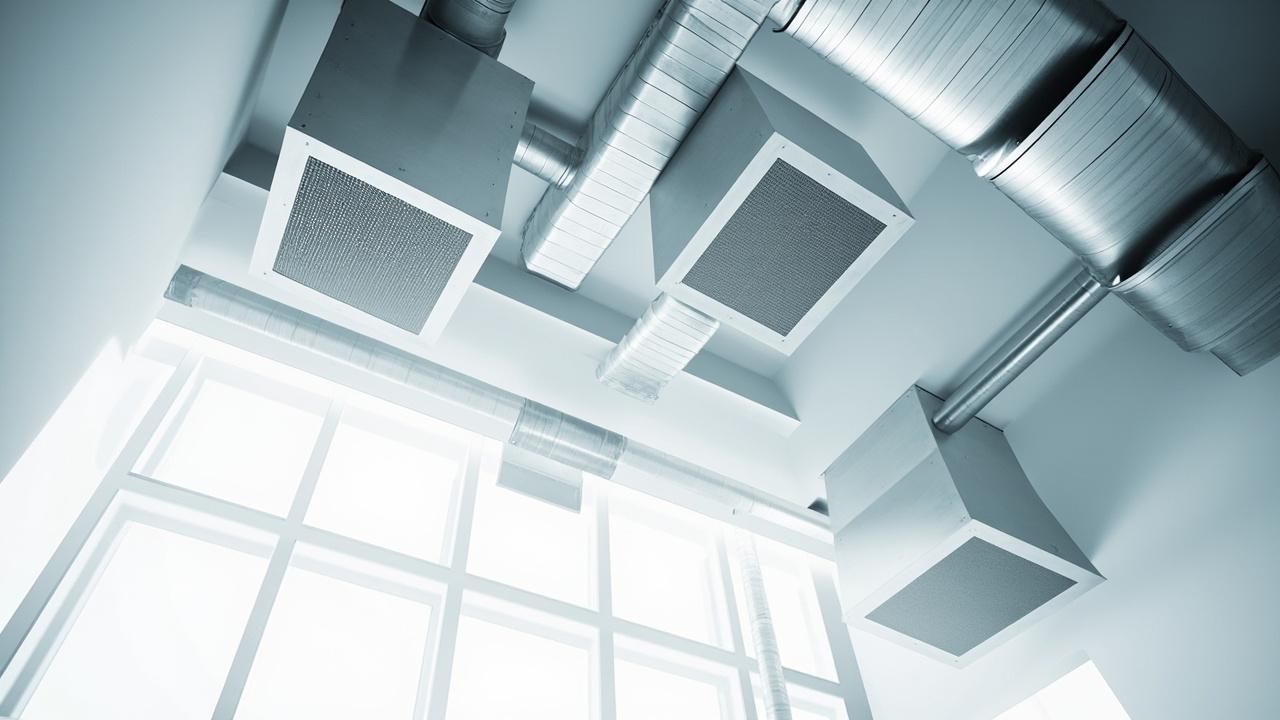
An HVAC system heats and cools indoor air, moves it where it needs to go, filters it, and manages humidity, all under the direction of a thermostat. The letters stand for heating, ventilation, and air conditioning, and the ventilation piece matters more than most quotes suggest. Without planned fresh-air intake and exhaust, a tight modern house traps moisture, cooking fumes, and stale air. Most American homes use a split system: an outdoor condenser or heat pump paired with an indoor air handler or furnace, joined by refrigerant lines and a duct network. Smaller homes and additions often use ductless mini-splits instead, with one outdoor unit feeding several wall-mounted heads. Packaged units, which put everything in a single outdoor cabinet, are common in warmer states and on flat-roof homes. Whatever the shape, every system does the same four jobs, and a quote that only talks about the big box outside is leaving out half the story.
The Four Parts: Heating, Cooling, Ventilation, and Controls
Heating usually comes from a gas furnace, a heat pump, or electric resistance strips as backup. A furnace burns natural gas or propane in a heat exchanger and pushes warmed air through ducts; efficiency is rated by AFUE, with modern units at 80 to 98 percent. Cooling almost always means a vapor-compression cycle: refrigerant absorbs indoor heat at the evaporator coil and dumps it outside at the condenser. Efficiency here is rated by SEER2, where the current federal minimum is 13.4 and premium units reach 22 or higher. Ventilation covers bath fans, range hoods, and whole-house fresh-air systems such as an HRV or ERV, which trade stale indoor air for fresh outdoor air while recovering most of the heat. Controls tie it together: the thermostat, plus zoning dampers in larger homes that steer air room by room. One practical link people miss: insulation and air sealing decide how hard all of this equipment works. Our guide to what home insulation does explains the building-envelope side, because an R-value upgrade often lets you buy a smaller, cheaper system. Pair that with the right insulation R-value for your climate zone and the load calculation below starts shrinking fast.
How Sizing Works: BTUs, Tonnage, and the Manual J Calculation
System sizing matches equipment capacity to your home’s actual heat loss in winter and heat gain in summer, measured in BTUs per hour. The old rule of thumb says 20 BTU per square foot, which puts a 2,000 sq ft home near 40,000 BTU, or about 3.5 tons of cooling since one ton equals 12,000 BTU per hour. Treat that rule as a cocktail napkin, not a quote. The correct method is a Manual J load calculation, an ACCA procedure that accounts for square footage, ceiling height, window area and orientation, insulation levels, air leakage, and local design temperatures. Oversized equipment is the classic expensive mistake: it short-cycles, never runs long enough to dehumidify, and leaves rooms clammy while wearing itself out. Undersized equipment runs constantly on the hottest afternoons and still loses ground. A trustworthy contractor performs or references a Manual J before recommending tonnage; if the quote sizes by square footage alone, get a second bid. Ductwork matters just as much: ducts sized by Manual D principles and sealed to under 10 percent leakage deliver the rated capacity, while leaky attic ducts can waste a third of it before the air reaches your rooms.
What a Full HVAC System Costs
A full HVAC replacement cost for a typical single-family home falls between $5,000 and $12,000 installed, with most projects landing near $7,000 to $9,000 for a mid-efficiency split system with existing ductwork in usable shape. Equipment choice moves the number most, then ductwork condition, electrical upgrades, and permits. Use this table as a planning range, not a bid:
| System type | Typical installed range | Best fit |
|---|---|---|
| Central AC + gas furnace | $7,000 to $12,000 | Cold climates with gas service |
| Heat pump, whole-house | $4,500 to $9,500 | Mild to moderate winters |
| Ductless mini-split, 3 zones | $6,000 to $11,000 | Additions, no existing ducts |
| New ductwork only | $1,500 to $5,000 | Leaky or undersized ducts |
| Smart thermostat + zoning | $400 to $1,500 | Two-story comfort complaints |
Three cost drivers surprise homeowners. First, duct replacement can add 30 percent when the old runs are crushed, uninsulated, or growing mold. Second, high-efficiency furnaces need PVC venting and a condensate drain, which adds labor in finished basements. Third, electrical panels below 100 amps sometimes need an upgrade for heat pumps with backup strips. Federal tax credits under Section 25C can offset up to 30 percent of qualifying heat pump costs, capped annually, so ask your installer which models carry ENERGY STAR certification. Always collect three itemized bids that separate equipment, ductwork, electrical, and permits, because lump-sum quotes hide exactly where the money goes.
Maintenance, Lifespan, and When to Call a Licensed Pro
A maintained HVAC lifespan runs 15 to 20 years for furnaces and 12 to 17 for air conditioners and heat pumps, with the compressor and heat exchanger deciding the end. Annual maintenance is simple and genuinely extends life: swap 1-inch filters every one to three months, keep two feet of clearance around the outdoor unit, hose the condenser fins each spring, and pour vinegar down the condensate drain to stop algae clogs. Schedule professional service once a year for heating and once for cooling; the tech checks refrigerant charge, static pressure, gas pressure, and carbon monoxide at the furnace. Call a licensed HVAC contractor right away for burning smells, repeated breaker trips, ice on refrigerant lines, or any suspected gas leak or cracked heat exchanger, and leave the house first if you smell gas. Windows play a quiet supporting role in system load too: leaky single-pane glass forces longer runtimes, so check window energy ratings like U-factor and SHGC when comfort problems persist after the equipment is dialed in. If your system is over 15 years old and the repair quote tops 30 percent of replacement cost, replacement usually wins on reliability and efficiency. Start with a Manual J, size once, and the new system will hum along instead of fighting your house.