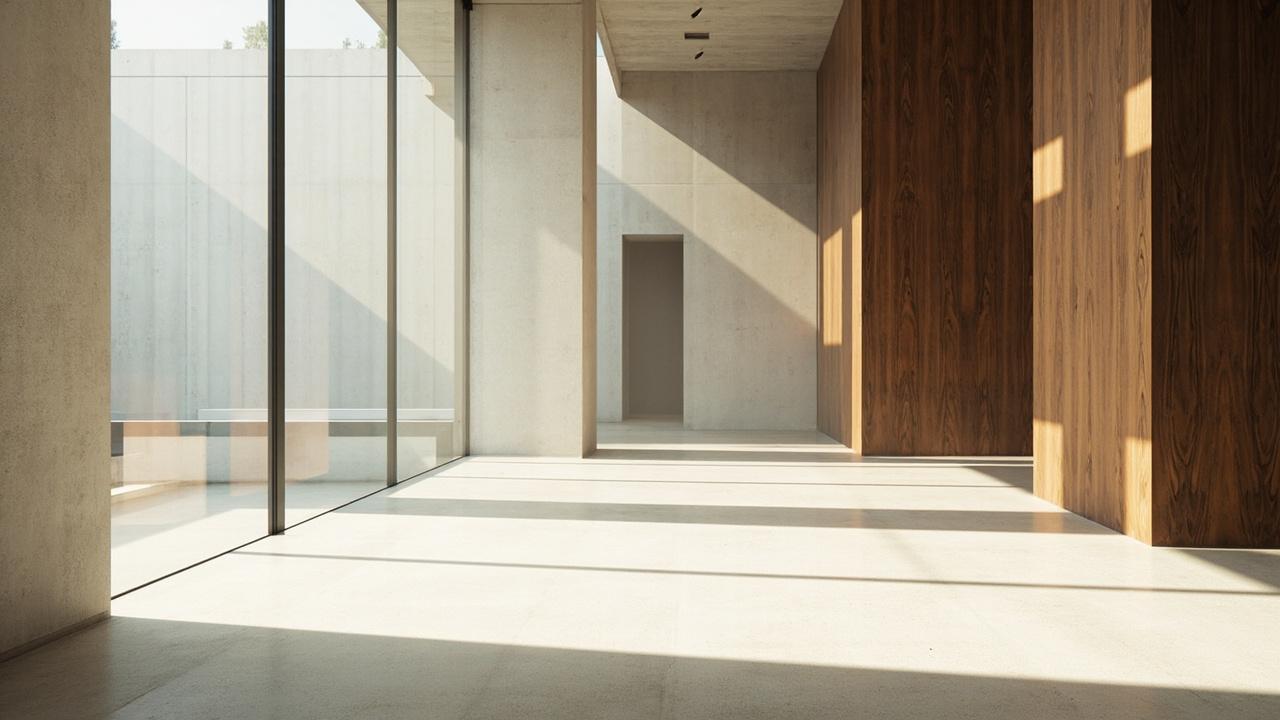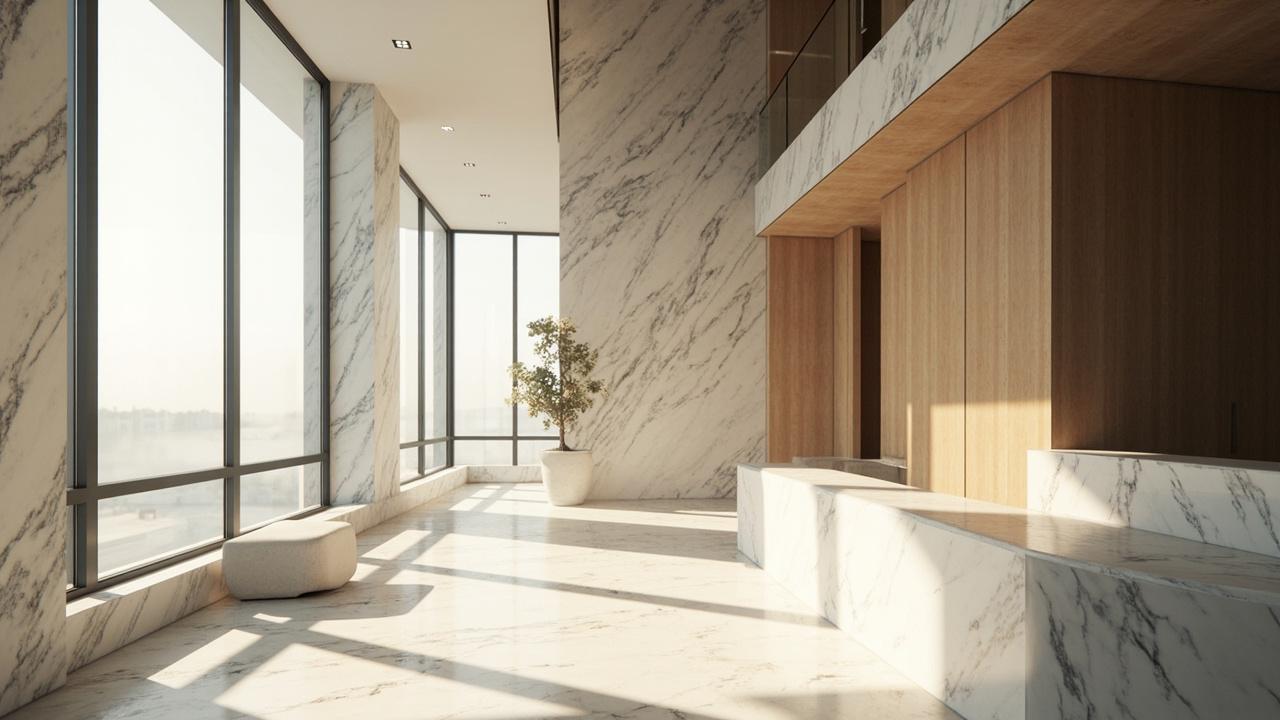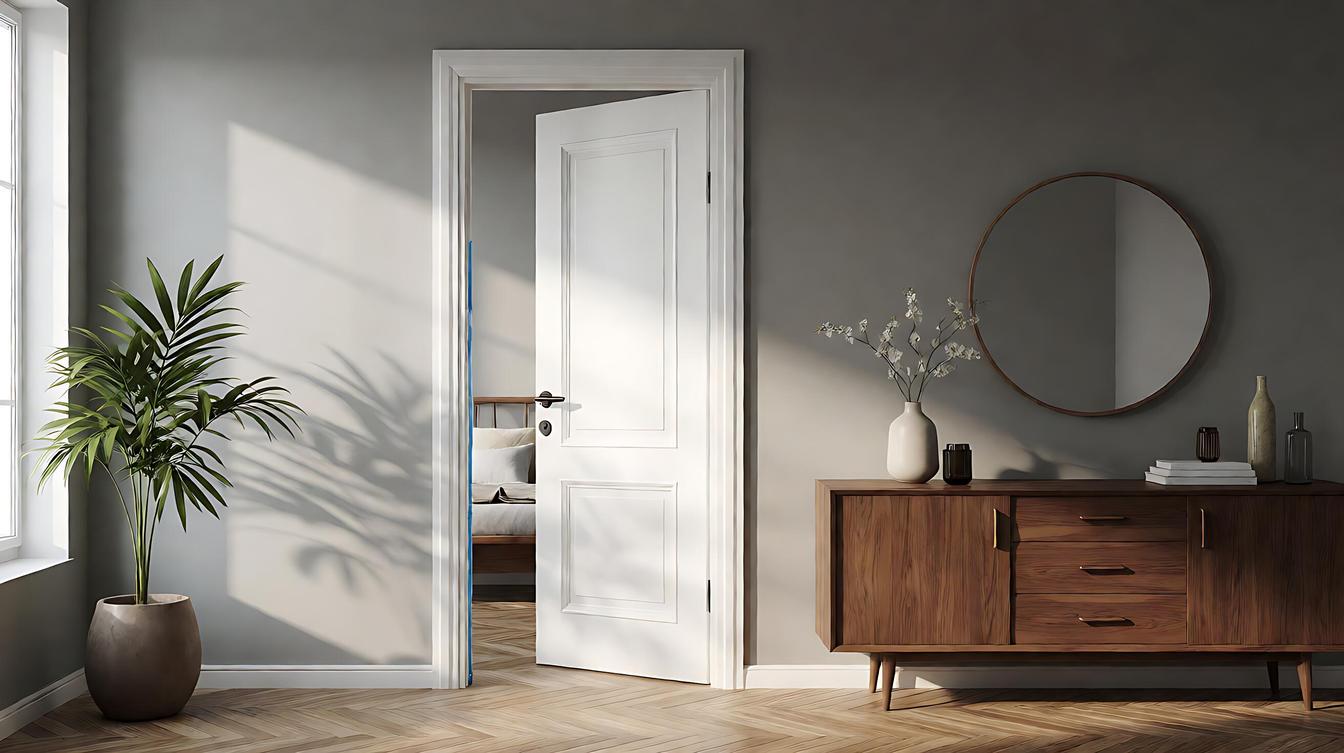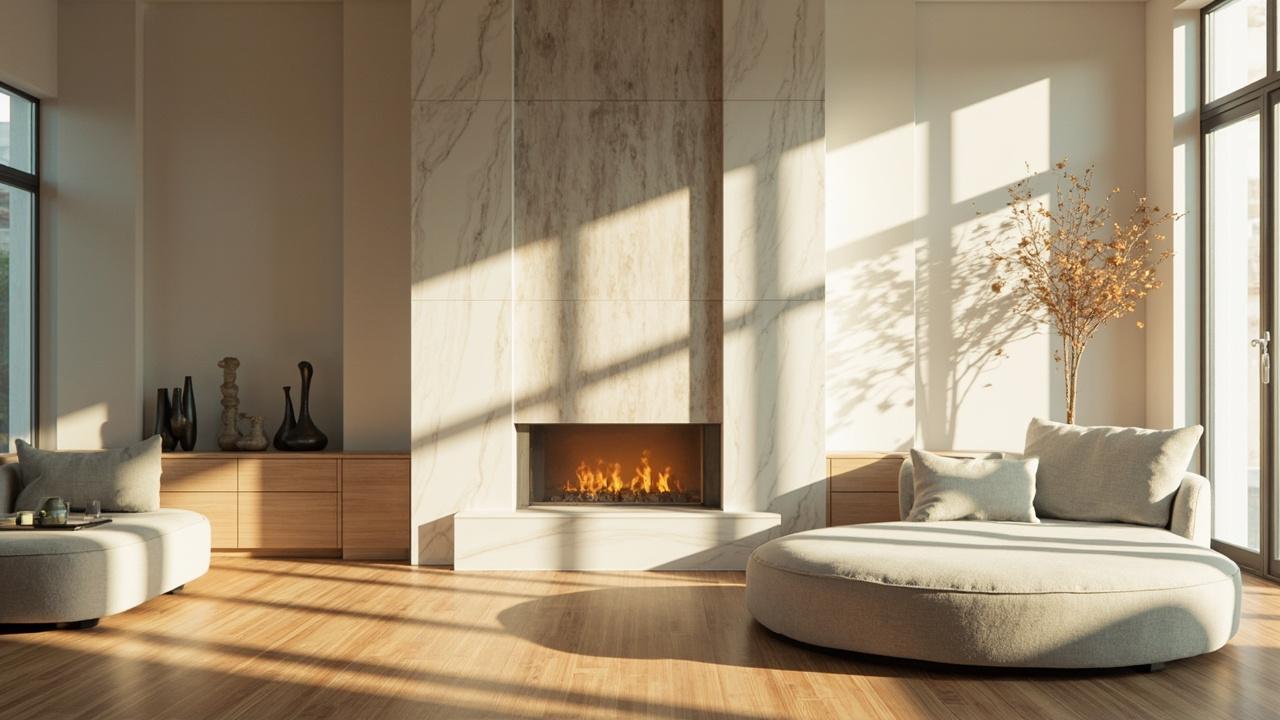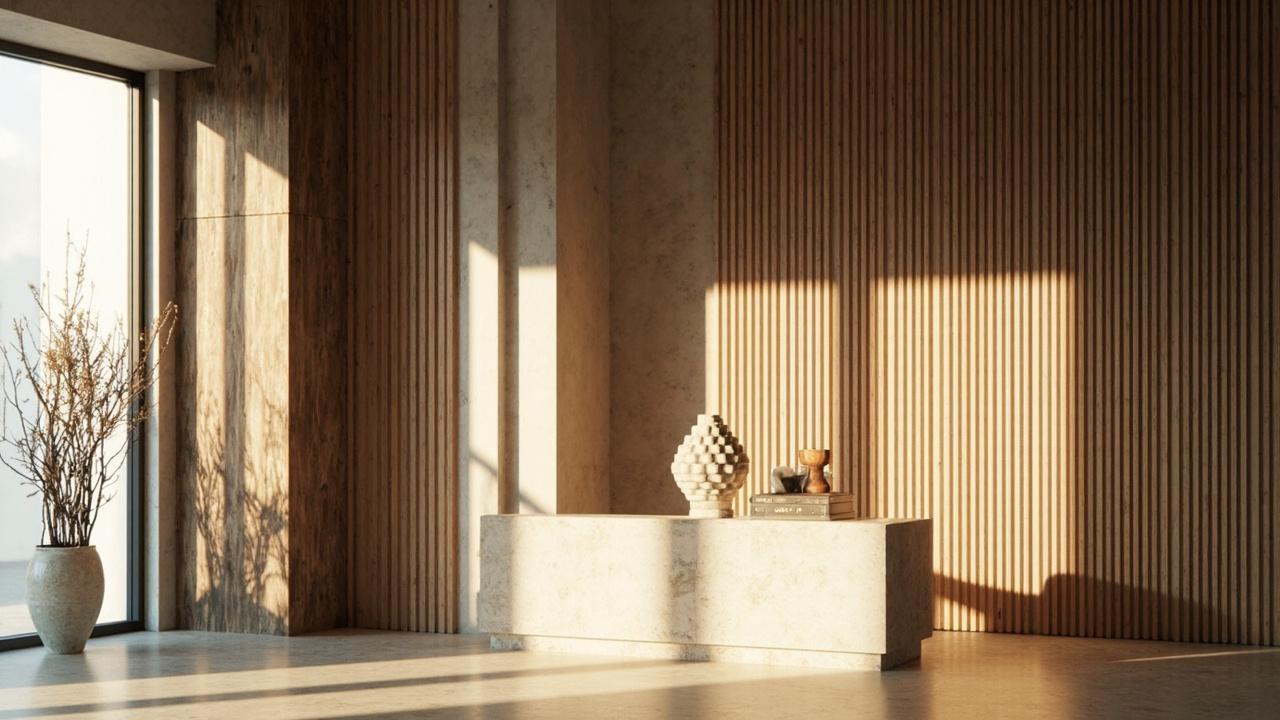

An accent wall is one wall treated as a focal point with a different color, texture, or material than the rest of the room. Learning how to create an accent wall that actually works is less about the color and more about the wall you pick, the light it catches, and the technique that fits your ceiling height.
The goal is contrast that earns its place, not a fourth wall competing for attention. Pick a technique that fits your room, your lighting, and your tolerance for commitment before you open a can.
What an Accent Wall Is and Where It Belongs
Convention places the accent wall on the shortest wall in the room. The better rule is to put it where your eye lands when you walk in. In a bedroom that is the wall behind the bed. In a living room it is the wall with the TV, the fireplace, or the main window.
Skip the accent wall in three cases. The room is under 10 by 10 feet (about 3 by 3 m), and a bold wall will shrink it. The wall sits opposite a large mirror, and the reflection doubles the effect. The room is open plan, and every wall already competes for attention.
Use the accent wall to set the room’s hierarchy. Lighting lux at 200 to 300 on the focal surface reads the texture or color cleanly. Keep at least 36 inches (about 900 mm) of circulation in front of the wall so it reads as architecture, not as a backdrop you keep bumping into.
Shortest wall convention: only if the focal point already lives there. Focal-point rule: the accent wall should be the wall your eye lands on, period.
How It Works: Placement, Light, and Color Theory
Light changes accent walls more than color does. North-facing rooms eat warm tones and push cool tones grayer, so a navy accent can read almost black by 4 p.m. South-facing rooms amplify warmth, so a soft terracotta glows like clay. Test your swatch on the actual wall, not at the store, at three times of day.
Color theory for an accent wall is simple. A strong hue advances, a soft hue recedes. Dark walls make a long room feel shorter. Light or warm walls make a short wall feel taller. Saturated jewel tones like emerald or plum carry texture better than pastels, because depth of material needs depth of color.
Lighting is the layer most DIYers skip. Aim for 200 to 300 lux on the focal wall after dark, which is roughly a pair of wall sconces or a picture light on a dimmer. If the wall holds the TV, bias the lighting low and warm, around 200 lux, to cut screen glare.
If the wall holds art, target 250 to 300 lux centered on the piece. Most rooms read as designed when the focal wall is the brightest surface in the room at night.
The accent wall also sets the window treatment conversation. A heavy linen drape on a quiet wall balances a textured accent wall on the opposite side, and that pairing reads as designed rather than decorated.
North light: push the color warmer by one step. South light: you can go cooler. TV wall: bias warm, low, and dimmable.
Techniques, Costs, and How They Compare
No single technique fits every room. Paint is the cheapest and most forgiving. Limewash, board-and-batten, and shiplap add texture but cost more and demand plumb walls. Wallpaper and peel-and-stick panels unlock pattern without permanent commitment. Reclaimed wood and stone veneer need a ceiling at least 9 feet (2.7 m) tall.
Match the technique to the room’s conditions, not just the look. A kid’s room favors scrubbable paint or peel-and-stick. A north-facing entry favors limewash, which gives depth without going flat. A dining room with a 10-foot ceiling can carry board-and-batten, while a 7-foot basement ceiling cannot.
| Technique | Best for surface | Prep time | Coverage per coat | Durability |
|---|---|---|---|---|
| Paint (latex) | Drywall, primed plaster | 2 to 4 hours primer dry | 350 to 400 sq ft / gallon (32 to 37 sq m) | Wipeable, 5 to 10 years |
| Limewash | New drywall, unsealed plaster | 24 hours cure | 150 to 200 sq ft / gallon (14 to 19 sq m) | Patina, 10+ years |
| Board-and-batten | Plumb drywall, new build | Cut and install 1 day | Boards 12 to 16 in on center | Paintable, 15+ years |
| Shiplap | Plumb studs or furring strips | 1 to 2 days install | 1/8 in gap between boards | Paintable, 15+ years |
| Peel-and-stick panel | Primed or sealed drywall only | Wipe wall with isopropyl, 30 min | One panel = 1 to 4 sq ft | Removable, 3 to 7 years |
| Wallpaper (US roll) | Smooth, primed drywall | 1 hour booking, 30 min hang | ~57 sq ft per roll (5.3 sq m) | Wipeable, 10 to 15 years |
| Reclaimed wood planks | Studs with blocking | Nail or screw to blocking | Varies by plank width | Sealed, 20+ years |
| Stone veneer (thin) | CMU or cement board | Mortar cure 24 hours | 8 to 12 sq ft per box | Lifetime |
Two field examples make the trade-off concrete. A primary bedroom with a vaulted ceiling can carry a dark limewash on the wall behind the bed, because the texture catches the slope. A rental apartment with a strict patch-and-paint clause is the case for peel-and-stick panels or removable wallpaper, which come off with a heat gun.
Paint when budget and reversibility both matter. Limewash when you want depth and your walls are new. Board-and-batten when the ceiling is 9 feet or taller and the studs are clean.

Installation, Tolerances, and Common Mistakes
Start with the wall, not the color. Patch holes, sand high spots, and prime bare drywall. Skipping primer is the most common reason accent walls look flat or streaky. A quality primer such as PVA or shellac costs $20 to $40 per gallon and saves the whole job.
For a paint accent wall, the sequence matters. Cut in the edges with a 2.5-inch angled brush, then roll the field with a 3/8-inch nap roller. Two coats is the floor for a deep, saturated color.
Plan on 350 to 400 square feet of coverage per gallon on smooth drywall. Tape the trim after the first coat dries, and pull the tape while the second coat is still slightly wet for the cleanest line.
- Patch and sand. Vacuum the wall, then tack-cloth it so dust does not gum the primer.
- Prime bare drywall. Dry 2 to 4 hours before the first color coat.
- Cut in edges, then roll the field. Maintain a wet edge to avoid lap marks.
- Apply the second coat. Pull tape while the paint is still slightly wet.
- Let cure 24 hours before you push furniture back against the wall.
For board-and-batten, space the vertical boards 12 to 16 inches on center, and use a level, not the ceiling, as your reference. Crown molding rarely runs true, so a level line at the base is the only honest plumb.
If your walls are out more than 1/4 inch over 8 feet, fur out the studs with shims before you install, or the battens will wave.
For shiplap, leave a 1/8 inch gap between boards for seasonal movement, and nail into studs, not just drywall. For peel-and-stick panels, prime and seal the wall first, then wipe it with isopropyl alcohol so the adhesive sticks. Skipping the seal coat is the most common reason panels curl at the edges within a year.
The mistakes that undo accent walls are almost always upstream of the paint. Wrong wall, wrong lighting, wrong sheen. A satin or eggshell finish hides roller marks and reads texture better than flat. Flat on a high-touch wall, behind a doorknob, scuffs in weeks.
Wrong sheen: flat reads chalky and shows every scuff. Wrong wall: if the focal point is not on the chosen wall, no color fixes it. Skipped primer: the single most expensive shortcut on the job.
Limits, Edge Cases, and What to Do Next
An accent wall is a design choice, not a structural one, so the limits are mostly aesthetic and legal. In a rental, anything that anchors into drywall beyond picture hooks usually needs written approval, and peel-and-stick adhesive can lift paint on removal. If your lease is strict, treat the wall as a temporary install and budget a weekend for patching on move-out.
Skip the accent wall entirely when the room already has a strong architectural focal point, like a stone fireplace or a window wall. Skip it when the walls are out of plumb by more than 1/2 inch over 8 feet. Skip it when the lighting is so dim that even a light color will read as a dark hole on the wall.
Match the technique to your ceiling height and your wall condition. A 7-foot basement ceiling cannot carry dark shiplap, and an old plaster wall that crumbles cannot carry peel-and-stick adhesive. When in doubt, paint a 2 by 2 foot sample board and live with it for a week. That week of patience saves the most expensive mistake of all: repainting the whole room.
For rental-safe accent wall options that come off clean, the move is removable wallpaper or hook-and-loop fabric panels, both of which protect your deposit. If you want to dress the windows to balance the wall, the window treatments guide walks through fabric weight and mounting height.
For load-bearing questions, anything that involves removing a portion of a wall, adding blocking for heavy stone, or running new electrical for sconces belongs with a licensed contractor. An accent wall is a weekend project when it is paint, and a small remodel when it is anything else.