
When a circuit breaker keeps tripping, the breaker is doing its job, it is cutting power because something on the circuit is drawing more current than the wire and breaker are rated to carry safely. The fix depends on the cause: a single overloaded appliance, a short circuit in a damaged wire, a failing breaker, or a ground fault in a wet area. Start with the simplest explanation, then work toward the rare ones. If a breaker trips the moment you reset it, or you smell burning plastic, stop and call a licensed electrician, that is a fire risk, not a project.
This page walks through the symptoms, the underlying causes, the clues that distinguish them, and the moment a homeowner should hand the problem to a pro. Most cases are quick to diagnose once you know what to look for.
What Is Happening When a Breaker Trips
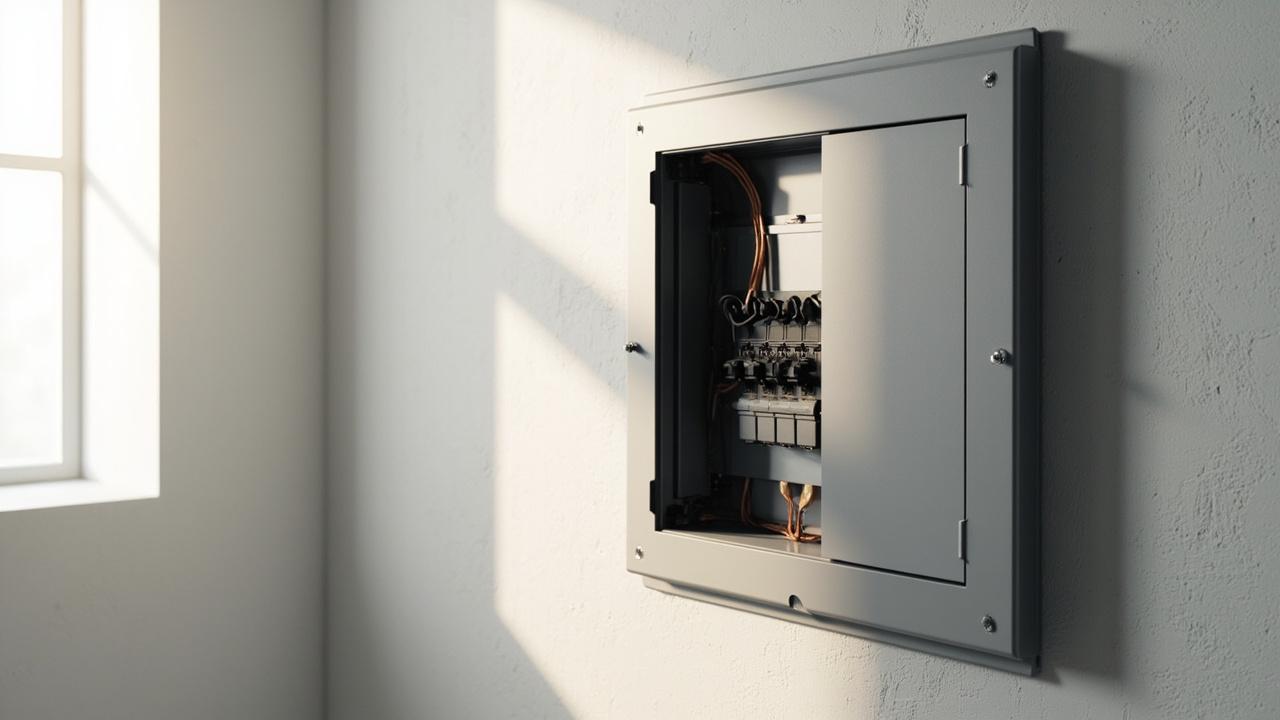
A breaker is a thermally and magnetically operated switch inside your breaker panel (typically rated 100–200A for a modern US home). When current on a circuit exceeds the breaker’s rating, 15A for most lighting and outlet circuits, 20A for kitchens, 30–50A for dedicated appliances, the switch opens and power goes off.
Three mechanisms can trip a breaker:
- Thermal trip, sustained overload. A hair dryer plus a space heater on the same 15A circuit draws around 25A-equivalent in heat, the internal bimetal strip heats up over a few seconds to minutes, and the breaker opens.
- Magnetic trip, instantaneous. A short circuit sends hundreds of amps for a fraction of a second; the electromagnet inside the breaker yanks it open before the wire can heat.
- Ground fault, a GFCI breaker or GFCI receptacle detects current leaking to ground (as little as 5 mA) and trips in milliseconds. This protection is required by the National Electrical Code (NEC) in kitchens, bathrooms, garages, basements, and outdoor outlets.
Knowing which mechanism fired tells you which cause to look for. That is the difference between guessing and diagnosing.
The Most Common Causes and How to Tell Them Apart
SERP articles list one cause and a generic fix. In reality, four causes account for nearly every recurring trip, and each leaves a different fingerprint.
Overloaded Circuit (most common)
The breaker trips after several minutes, not instantly. The same appliance or combination of devices triggered it. Reset works, and the breaker holds until the load returns.
The clue is timing: thermal trip means slow buildup, and the trip happens under predictable use. A 1500W space heater on a 15A circuit (1800W capacity) is enough by itself to overload when paired with anything else.
Short Circuit (serious)
The breaker trips immediately upon reset, or the moment you plug something in. You may notice a popping sound, a flash, scorch marks on an outlet, or a burning smell.
A short means a hot wire is touching a neutral or ground somewhere. The most frequent culprits are damaged 14–10 AWG wire inside a cord, a staple driven through cable insulation, or a receptacle with loose backstab connections. Stop using the circuit and call a licensed electrician.
Ground Fault (wet areas)
Only the GFCI receptacle or breaker trips, never the regular breaker upstream. Reset holds until moisture appears again, a steamy shower, a wet lawn, a leaking fish tank.
GFCI protection is mandatory in wet or damp locations under the NEC. The trip current is tiny (5 mA), so the breaker is doing exactly what it was installed to do. The fix is rarely the breaker, it is the source of moisture or a failing appliance on that circuit.
Faulty Breaker (rare but real)
The breaker trips with no load on the circuit. You have unplugged everything and flipped the switch off, and it still will not hold. Breakers wear out, especially older AFCI (arc-fault) models that nuisance-trip and gradually fail.
A breaker that fails to reset with no load is a hardware problem. Replacement runs about $150–$300 for the part plus installation, and is a job for an electrician unless you have specific training.
What You Can Safely Check Yourself
Before calling an electrician, run through this list. None of it requires touching wires inside the panel.
- Identify the circuit. Most panels are labeled. Trip a breaker on purpose and walk through the house to see what loses power.
- Unplug everything on that circuit, then reset the breaker. If it holds, plug devices back in one at a time.
- Look for the load pattern. If the breaker trips when two specific devices run together, you have an overload, split them across circuits or stop using both at once.
- Check GFCI receptacles. A GFCI in a bathroom, kitchen, or garage can cut power to downstream outlets. Press Reset on every GFCI you can find.
- Smell and look. A warm outlet cover, a discolored faceplate, or an ozone smell means stop and call a pro.
If the breaker still trips with nothing plugged in, the problem is in the wiring or the breaker itself. That is a licensed electrician’s territory.
When to Call a Licensed Electrician
Some situations are not DIY. The line is clear: any time the cause is in the wall, the panel, or the breaker itself, hand it over.
Call a licensed electrician if:
- The breaker trips immediately after reset, with no load.
- You smell burning plastic, see scorch marks, or notice a warm outlet cover.
- You see sparks when plugging in a device.
- The breaker is hot to the touch.
- You live in an older home with aluminum wiring, knob-and-tube, or an ungrounded panel.
- You need to add a new circuit, replace a breaker, or run new NM-B cable. Most jurisdictions require a permit and inspection for this work.
Electrical work is governed by the National Electrical Code locally adopted as the IRC/IBC reference, and most jurisdictions require a permit for new circuits or panel changes. A licensed electrician pulls the permit, does the work to code, and schedules the inspection. That paperwork protects you when you sell the house, and it protects your family in the meantime.
What Each Fix Actually Costs
Costs vary by region and by the depth of the problem. These ranges are realistic for a US single-family home in 2026.
- No-cost fix: redistribute load across circuits. Just stop running the space heater and hair dryer on the same 15A circuit.
- $50–$200: electrician service call to diagnose and tighten a loose connection or replace a worn receptacle.
- $150–$300: replace a single breaker (parts and labor).
- $200–$600: replace a GFCI breaker and troubleshoot the circuit it protects.
- $500–$2,000: locate and repair a short in wall wiring, often requiring drywall access and patching.
- $1,500–$4,000: panel upgrade from 100A to 200A, required if recurring trips signal a system that is undersized for your home’s load.
Most homeowners pay the service-call minimum ($100–$200) for a diagnosis, then approve additional work only after the electrician explains what they found. A good electrician shows you the failed part, explains the code reference, and gives you a written quote before proceeding.
Preventing the Problem From Coming Back
If you have diagnosed an overload, the fix is permanent: stop stacking high-draw devices on one circuit. Kitchens earn their own 20A small-appliance circuits for exactly this reason. Bathrooms, laundry, and the garage each have their own circuits under modern code.
If you have replaced a breaker because the old one was failing, consider having the electrician inspect the rest of the panel. Breakers from the same era fail in clusters, and replacing one is often the first sign that the panel is aging.
For recurring GFCI trips in a wet area, the long-term fix is often a better exhaust fan, a tighter seal on an outdoor outlet cover, or moving the outlet itself out of the splash zone. Band-aid fixes like replacing the GFCI over and over treat the symptom, not the cause.
The next step after a confirmed diagnosis depends on what you found. If your home needs new circuits or a panel upgrade, the electrical panel upgrade cost guide walks through what to budget and what to ask your electrician. If you want to understand the outlets and receptacles involved, the outlet types and uses page explains which receptacle belongs where and why. And for homes in storm-prone regions, the whole-house surge protection guide covers the layer of defense that sits between your panel and a utility-side spike.
A tripping breaker is a signal, not a problem to silence. Read the signal, fix the cause, and your electrical system will quietly do its job for decades.