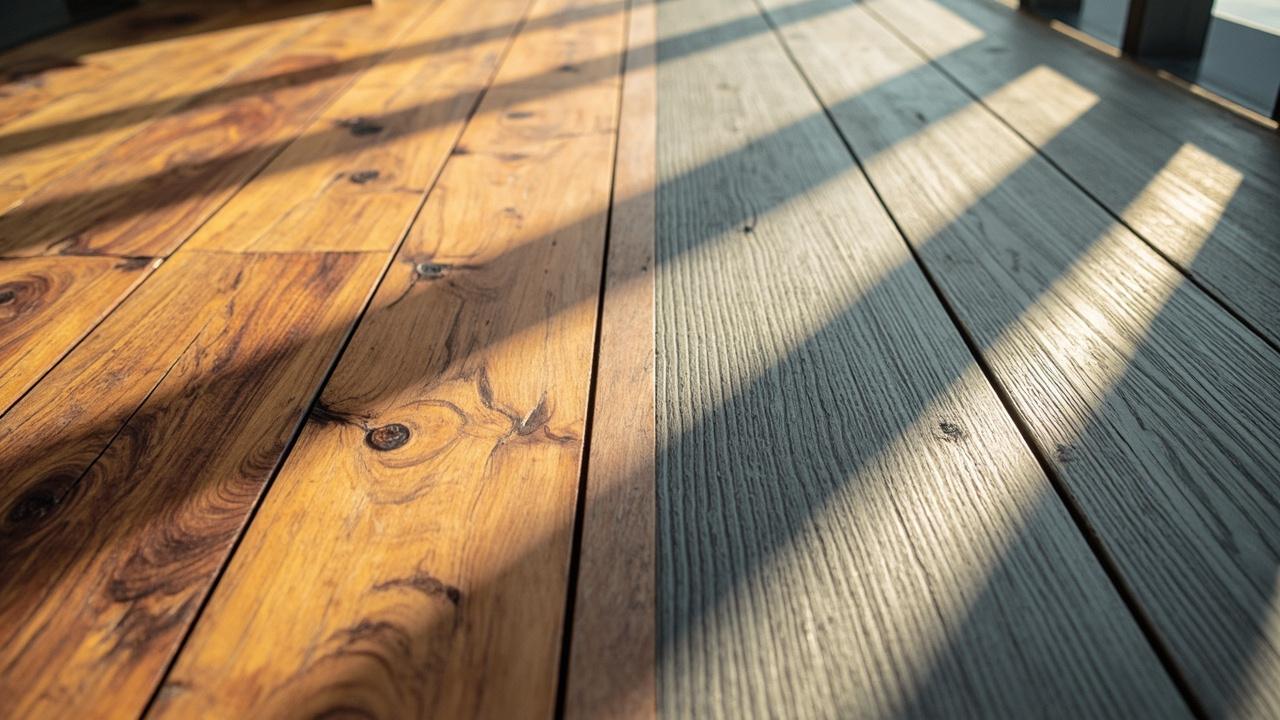

Wood decking costs $3-$6 per square foot for material; composite runs $8-$15. But upfront cost is only half the story — pressure-treated pine needs resealing every 2-3 years, and cedar demands the same attention to last. Composite boards cost more initially but eliminate staining and sanding for 25 years. This comparison breaks down the real trade-offs in water resistance, load capacity, maintenance, and long-term cost so you can choose the right decking for your climate and how you use your deck.
Wood vs. Composite Decking at a Glance
Composite vs wood decking comes down to one question: do you prefer lower upfront cost with regular maintenance, or higher upfront cost with almost none. Pressure-treated southern yellow pine is the standard wood decking — it’s strong, widely available, and takes preservative treatment to resist rot and insects. Cedar and redwood cost more naturally resist decay because of their oils, but they’re softer and more prone to denting.
Composite decking is a blend of wood fiber and recycled plastic (polyethylene or PVC). Brands like Trex, TimberTech, and Fiberon cap the core with a protective shell that resists fading, staining, and moisture absorption. The result is a board that won’t cup, check, or splinter like wood — but it is heavier, expands more with heat, and costs roughly twice as much per linear foot.
Water Resistance and Rot Performance
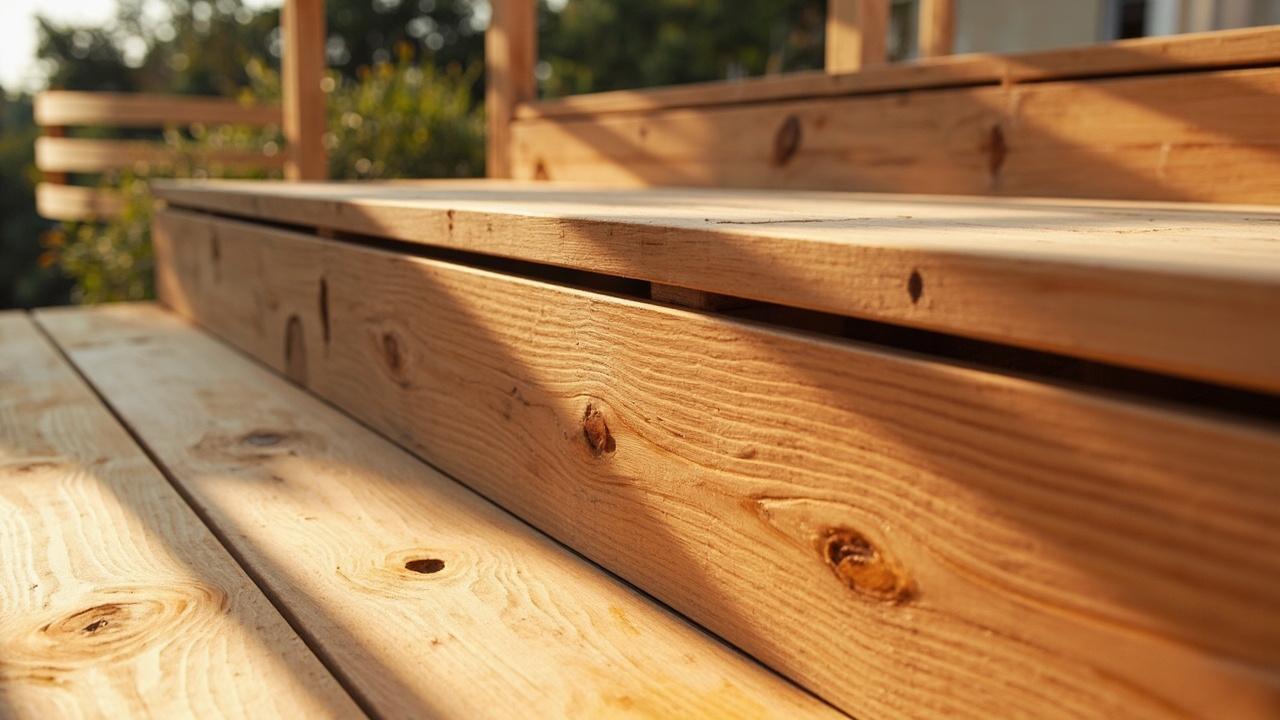
Wood’s weakness is moisture. Even pressure-treated lumber absorbs water through cut ends and surface checks, which leads to rot at the joist contact point — especially in wet climates. You can mitigate this with annual sealing and by ensuring the deck joists 2×8-2×10 16-in OC spacing keeps boards well-supported. But if a board traps water against the joist (from poor spacing or debris buildup), rot starts from the bottom up.
Composite resists water absorption almost entirely because the plastic component doesn’t wick moisture. That makes it the better choice for pools, hot tubs, coastal areas, and any climate with heavy rainfall or humidity. The trade-off: composite surface can get slippery when wet if it doesn’t have a textured grain pattern. Choose a board with a deep wood-grain emboss if slip resistance matters.
Load Capacity and Structural Requirements
Both materials handle standard residential live loads (40 psf) when installed correctly. But composite is heavier — roughly 1.5 times the weight of pine — and it deflects more under load if the span is too wide. That’s why composite decking needs joists at 12-inch centers instead of the 16-inch spacing you’d use for wood. Stay at 16 inches, and composite bounces noticeably; stay at 12 inches, and it feels solid underfoot.
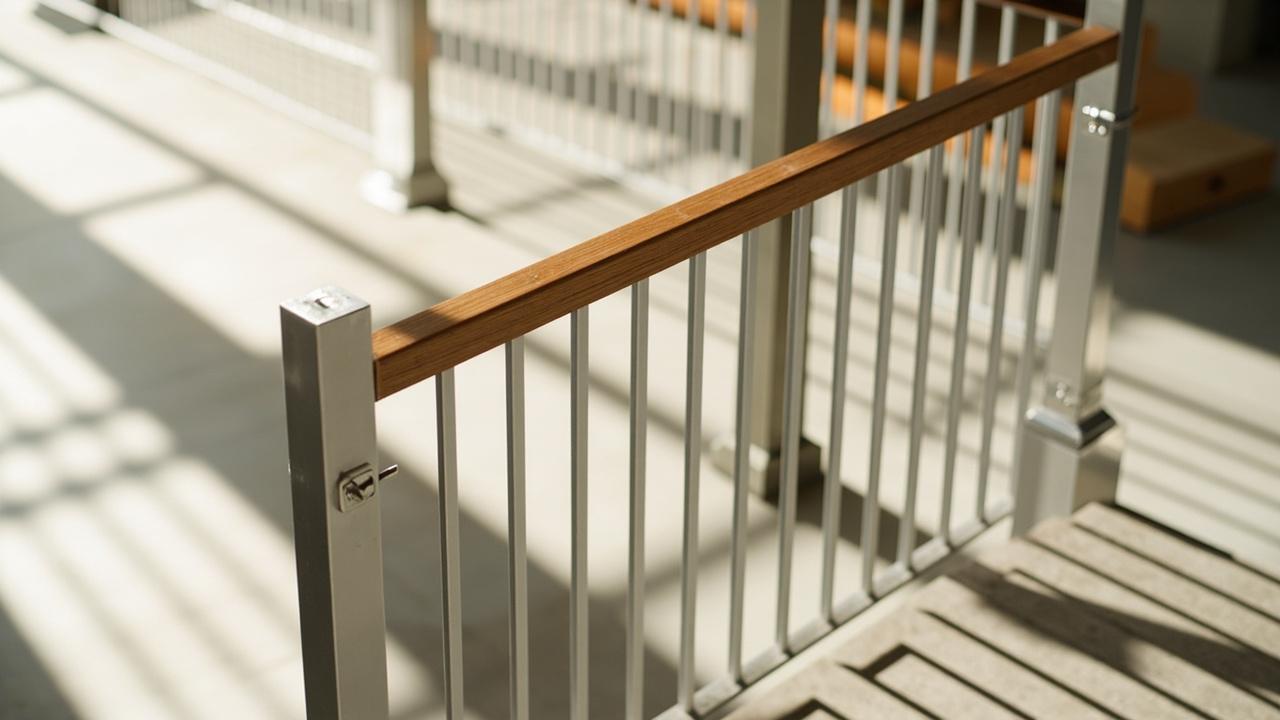
For railing posts and stair stringers, the difference matters less — those are structural framing, not decking surface. The railing height and baluster rules (railing height 36-42 in with 4-inch maximum gap) apply regardless of your decking material. Just account for the extra weight when sizing beams and footings — a composite deck may need beefier support than the same deck built in pressure-treated pine.
Maintenance, Longevity, and True Cost Over Time
Here’s where the numbers get honest. A 200-square-foot pressure-treated deck costs roughly $800-$1,200 in materials and needs $150-$200 in stain and sealant every 2-3 years. Over 20 years, you spend $2,500-$3,500 on maintenance — plus your weekends sanding and reapplying. A composite deck of the same size costs $2,000-$3,000 in materials and needs almost nothing beyond an annual soap-and-water wash. Over 20 years, maintenance costs under $200.
If you live in a wet climate or plan to sell within 5 years, wood makes sense — lower upfront cost, and you can sell the deck as-is. If you plan to stay 15+ years, live in a humid or coastal area, or hate maintenance, composite wins on total cost of ownership.
When to Choose Wood vs. Composite
Choose wood when: your budget is under $5,000 total, you’re building a ground-level deck where moisture is less of an issue, you want the flexibility to stain a custom color, or you’re comfortable with resealing every few years.
Choose composite when: your deck gets full sun (UV degrades unsealed wood faster), you’re near a pool or in a wet climate, you want to avoid the sanding-staining cycle, or you’re willing to pay more now for a 25-year warranty that covers fade and stain resistance.
For cost planning, see our deck building cost per square foot guide. For a broader overview of deck types and structure, visit the deck and patio guide.
If you’re replacing old decking and notice rot on the joists or ledger, consult a licensed contractor before deciding on new decking — structural issues need to be fixed first, regardless of which surface you choose.