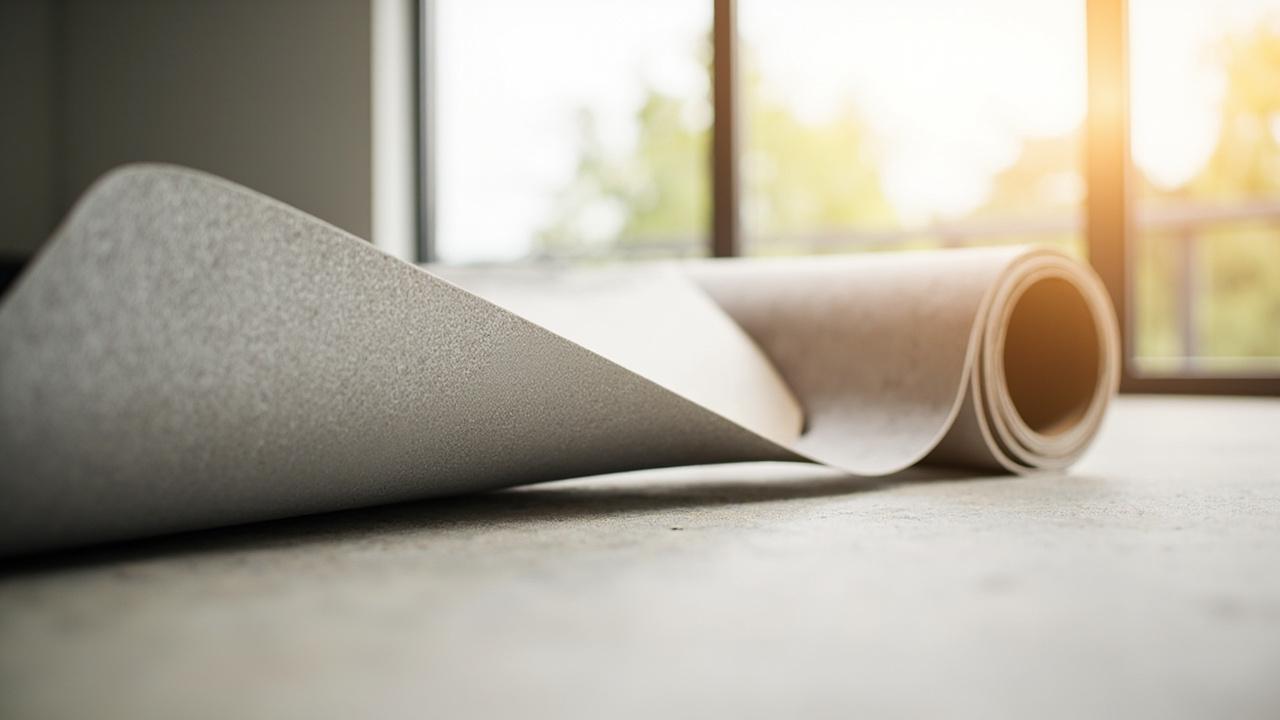
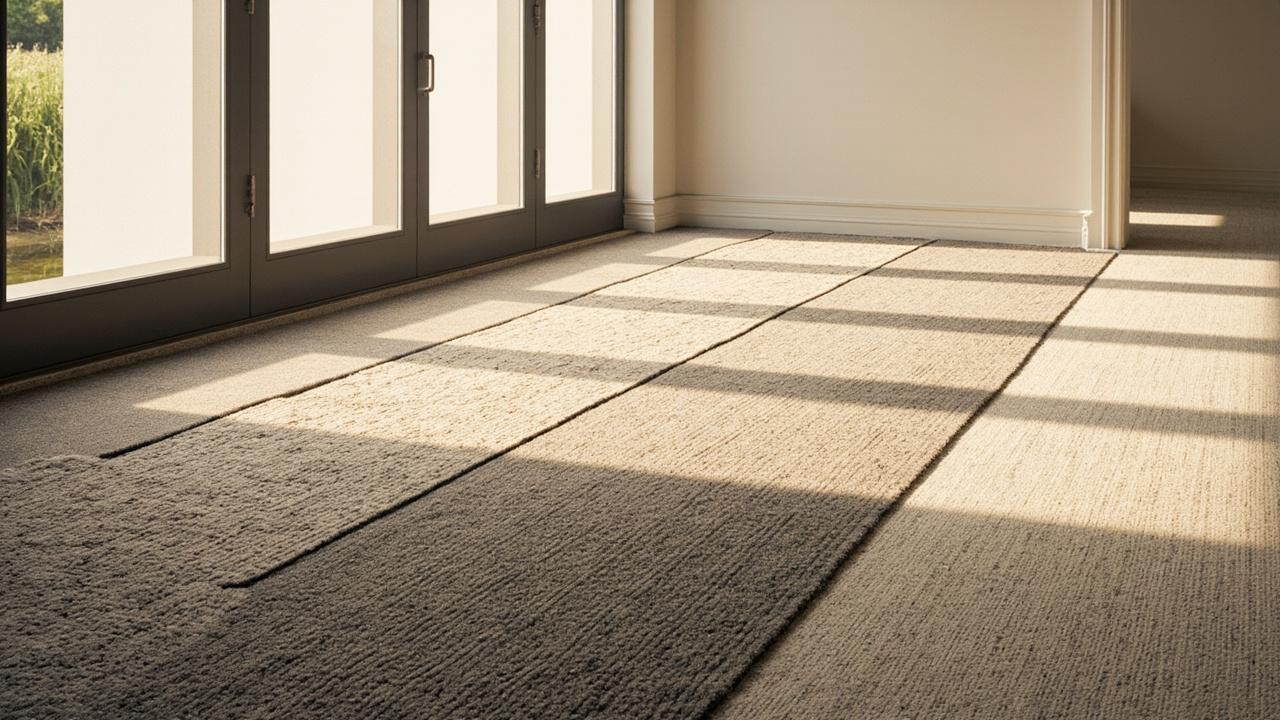

If you are choosing carpet for your home or renovation project, the essential decision is not whether carpet is comfortable—it absolutely is—but which carpet fiber and construction type aligns with your room’s foot traffic, moisture exposure, and maintenance preferences. Carpet flooring is a soft textile surface made from synthetic or natural fibers attached to a backing, typically stretched over a pad underlayment for cushioning. The right choice depends on fiber material, pile height, density rating, and intended room. Here is how to evaluate your options and pick confidently.
What Carpet Flooring Types Actually Are
Carpet flooring refers to a broad category of soft floor coverings distinguished by fiber type, pile construction, and density. The four primary carpet fibers are nylon, polyester, triexta, and wool. Each performs differently under foot traffic, staining, and fading. Nylon dominates the market because of its durability and resilience—it bounces back from compression better than any alternative. Polyester offers vibrant colors and natural stain resistance at lower cost but mats down in high-traffic corridors. Triexta, a newer polymer partially derived from corn sugar, combines nylon’s resilience with polyester’s stain resistance. Wool remains the premium natural option, offering softness, flame resistance, and biodegradability at significantly higher cost.
Pile construction matters as much as fiber. Cut pile carpet—fibers sheared at the top—includes plush, frieze, and saxony styles, each with distinct texture and traffic tolerance. Loop pile—uncut loops—handles heavy traffic better and resists matting, making it ideal for hallways and stairs. Cut-and-loop combines both for patterned surfaces that hide dirt and foot traffic. The best choice for living rooms and bedrooms is typically a dense cut-pile saxony or frieze. For hallways, stairs, and family rooms, loop pile or cut-and-loop outperforms because the loops distribute weight across the entire surface rather than compressing individual fiber tips.
Density rating, not face weight alone, determines longevity. Density measures how tightly fibers are packed into the carpet—higher density means better resilience and longer life. A carpet with 40 oz face weight and 5,000 density rating outperforms a 50 oz carpet with 3,500 density because the tighter construction resists matting. Look for density ratings above 5,000 for high-traffic rooms. This metric matters more than thickness when predicting how your carpet will look in three years.
How Each Fiber Performs in Real Conditions
Performance depends on traffic level, moisture exposure, and household occupants. In homes with children and pets, nylon and triexta lead because they resist staining and recover from compression better than polyester. Nylon handles up to 15 years of heavy residential traffic when properly maintained. Polyester shows visible matting in hallways within 2-3 years regardless of quality, making it better suited for bedrooms and low-traffic living areas. Triexta performs comparably to nylon at a slightly lower price point, with the added benefit of permanent stain resistance built into the fiber rather than applied as a topical coating.
Moisture tolerance varies significantly between fibers. Polyester is hydrophobic—it absorbs virtually no moisture—making it suitable for basements and ground-floor installations where slab humidity might affect other materials. Wool absorbs up to 33% of its weight in moisture without feeling damp, regulating humidity naturally but requiring careful cleaning to prevent mildew. Nylon absorbs moderate moisture and needs thorough drying after spills to avoid mold growth beneath the surface. In any below-grade installation, use a moisture-resistant pad and ensure the concrete slab tests under 5 lbs moisture vapor emission before carpet installation.
Fade resistance affects long-term appearance in sun-exposed rooms. Polyester holds dye exceptionally well and resists UV fading better than nylon, which can yellow or bleach in direct sunlight. If your room has large south-facing windows, polyester or solution-dyed nylon maintains color better than standard nylon. Wool fades gracefully—color shifts are less noticeable than the harsh bleaching that affects synthetics. Consider UV-protective window treatments for any carpet in rooms with intense natural light.
Comparing Costs and Suitability
The table below shows typical installed costs per square foot for each fiber type, including pad and professional installation. Costs vary by region, carpet quality, and room complexity—stairs add 30-50% to labor costs compared to open floor areas.
| Fiber Type | Installed Cost/sq ft | Best For | Lifespan | Maintenance |
|---|---|---|---|---|
| Nylon | $3-$8 | High-traffic rooms, stairs, hallways | 10-15 years | Professional clean every 12-18 months |
| Polyester | $2-$5 | Bedrooms, basements, low-traffic living | 5-10 years | Vacuum weekly, clean spills immediately |
| Triexta | $3-$7 | Family rooms, homes with pets, stairs | 10-15 years | Professional clean every 12-18 months |
| Wool | $8-$20 | Master bedrooms, formal living, luxury spaces | 15-25 years | Professional clean every 12 months |
Nylon offers the best overall value for active households with children, pets, and heavy foot traffic. Choose polyester when budget matters most and the room sees light use—guest bedrooms, home offices, or basement recreation rooms with low moisture risk. Triexta makes sense for homeowners who want nylon-like performance with superior stain resistance, especially in homes with young children where spills are inevitable. Wool suits homeowners prioritizing natural materials, superior softness, and fire resistance—wool does not melt or drip when exposed to flame, unlike all synthetics.
For most bedrooms and living rooms, a dense nylon frieze or triexta cut pile hits the sweet spot between comfort, durability, and cost. Avoid polyester in hallways and stairs—it mats permanently within a few years, and replacement costs erase the initial savings.
Installation Requirements and Common Mistakes
Proper carpet installation requires power stretching, not just tack-down methods. A power stretcher uses a lever mechanism with extension poles to tension the carpet across the room, preventing wrinkles and bubbles that appear months after installation. Tack-only installation—using knee kickers alone—leads to visible waves and buckling within the first year as the carpet relaxes. Insist on power stretching in any room over 100 square feet.
The most common mistake is choosing pad based on feel rather than density. Soft, thick pad feels luxurious underfoot but allows the carpet to flex excessively, accelerating fiber breakdown and causing premature matting. For most residential carpet, use a pad rated at 6-8 lbs density and no more than 7/16-inch thickness. Heavier pads—8+ lbs—work better in high-traffic areas because they resist compression and support the carpet more effectively. Never reuse old pad; it has compressed permanently and will not provide adequate support.
Seam placement matters more than most homeowners realize. Carpet rolls are typically 12 feet wide, so most rooms require seams. Place seams perpendicular to windows rather than parallel—light hitting seams at an angle makes them far less visible. Keep seams out of high-traffic paths and doorways. A good installer positions seams along natural room divisions or under furniture rather than through the center of a room.
Substrate preparation is essential. Carpet magnifies any imperfection in the subfloor. Check for protruding nails, splinters, and uneven seams in plywood subfloors. Fill low spots with floor leveling compound and sand high spots before installation. A poorly prepared subfloor leads to visible lumps, accelerated wear patterns, and premature fiber breakdown directly above the imperfection.
Limitations and Next Steps
Carpet traps allergens, dust mites, and pet dander more than hard flooring surfaces. If household members have allergies or asthma, hard surfaces—hardwood, luxury vinyl plank, or tile—may be a better primary flooring choice. Regular professional cleaning every 12-18 months and weekly vacuuming with a HEPA-filter machine helps, but carpet cannot match the hypoallergenic performance of hard flooring. In homes with severe allergies, consider hard surfaces in bedrooms and carpet only in low-moisture living areas.
Carpet also has a shorter lifespan than hard flooring alternatives and cannot be refinished. When carpet wears out—matted, stained, or frayed—complete replacement is the only option. Factor this replacement cycle into your long-term cost calculations. A $4/sq ft nylon carpet replaced every 12 years costs more over 20 years than a $10/sq ft hardwood floor refinished once in the same period.
Once you have selected your carpet type, compare how it stacks up against other options in our hardwood comparison guide, or review our flooring buying guide for overall cost and maintenance comparisons. If you are weighing carpet against hard surfaces for wet areas, check our tile versus vinyl guide for performance differences.