
Noticing cracks, stains, or a musty smell in your basement? Those could be signs of foundation water damage—and not all of them mean the same thing. This guide helps you read the symptoms correctly, understand whether you’re facing a cosmetic issue or a structural threat, and decide when to act yourself versus when to call a professional.
What Foundation Water Damage Looks Like
Foundation water damage rarely announces itself with a single dramatic event. Instead, it creeps in through a constellation of small signals that most homeowners dismiss as cosmetic — until the bill arrives. Knowing what to look for, and which signs point to active structural threats versus cosmetic blemishes, is the first step toward protecting your home’s value and safety.
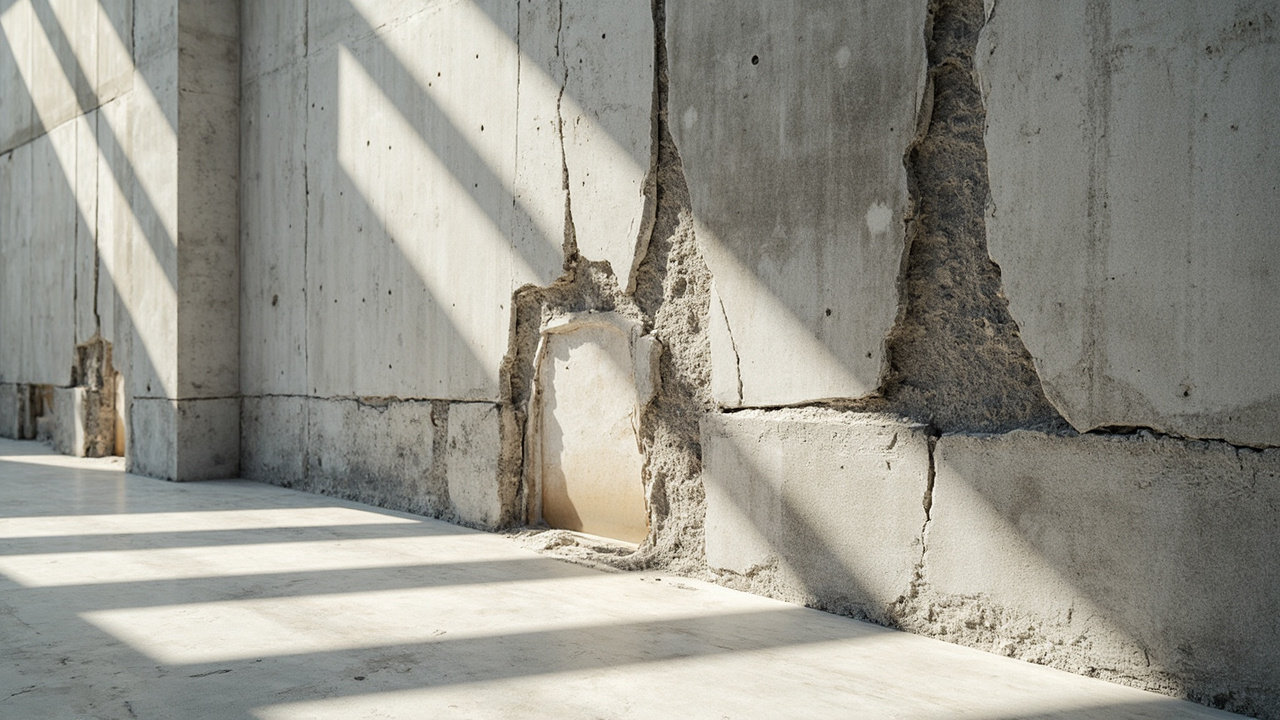
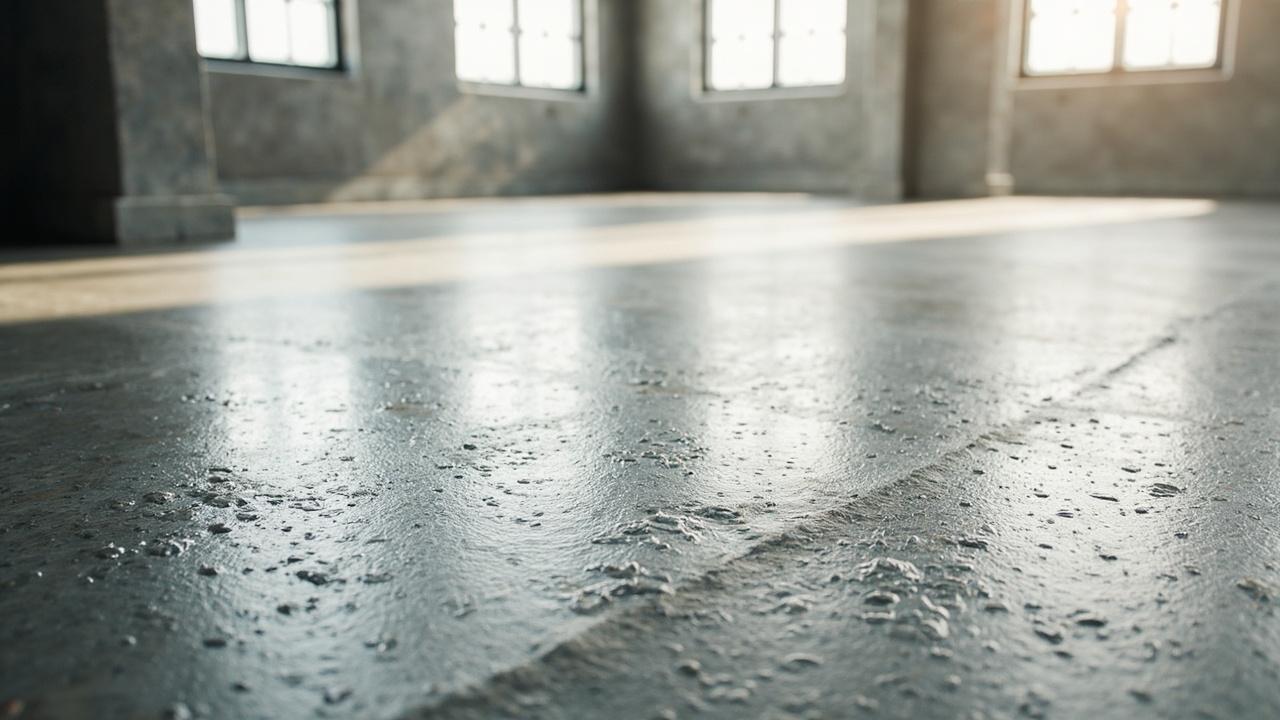
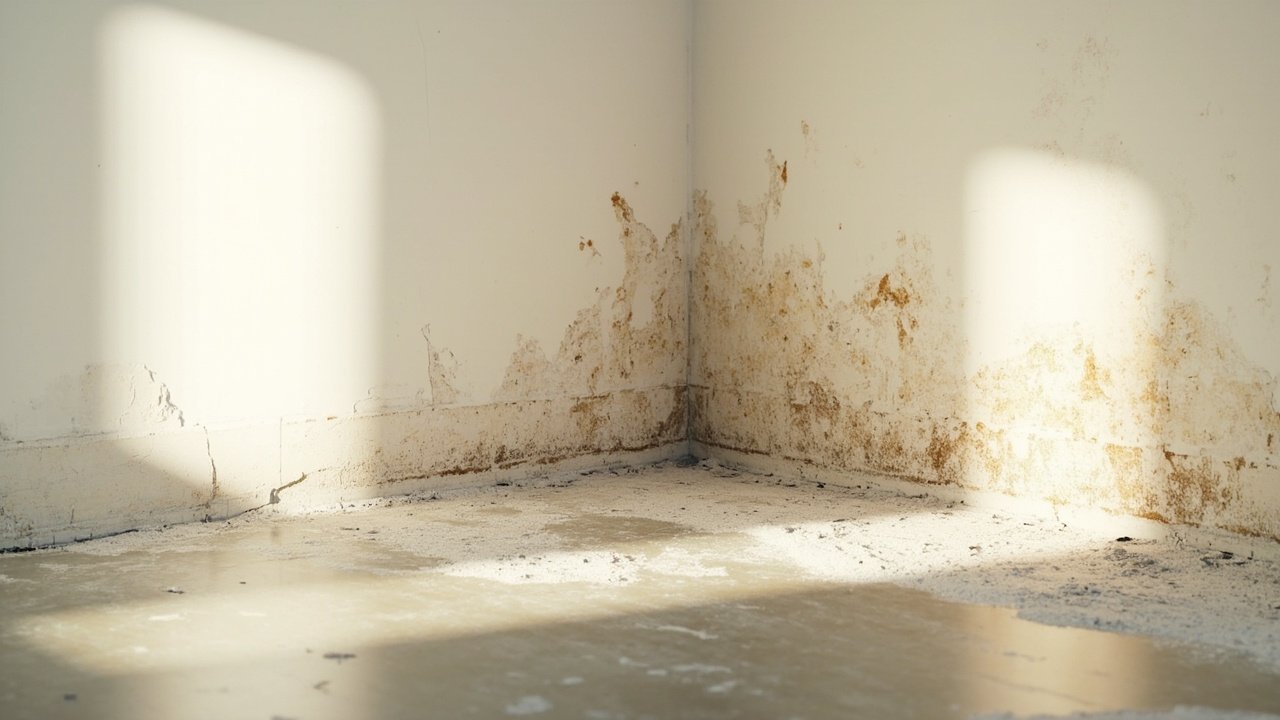
The most common signs of foundation water damage fall into three tiers of severity. Early-stage indicators include efflorescence (white, chalky deposits on concrete surfaces), musty odors in basements or crawl spaces, and damp spots on foundation walls after rain. These are your home’s warning lights — they mean water is present but may not yet be causing structural harm.
Mid-stage signs demand faster action: horizontal cracks in poured concrete walls, stair-step cracks in block or brick foundations, bowing or bulging walls, peeling paint that recurs after repair, and visible mold growth. At this point, water is no longer just visiting — it is actively undermining the material integrity of your foundation.
Advanced-stage signals are emergencies: doors and windows that stick or won’t close, diagonal cracks at corners of windows and doors, floors that slope noticeably, and cracks wider than ¼ inch. These indicate differential settlement or structural movement driven by sustained water exposure.
How Water Damages Foundations
Understanding the physical mechanisms at work helps you read symptoms correctly and choose the right fix. Three primary forces drive foundation water damage, and they often operate simultaneously.
Hydrostatic pressure is the most destructive. When soil surrounding a foundation becomes saturated, it exerts lateral force against basement walls. A cubic foot of water weighs 62.4 pounds; multiply that by thousands of cubic feet of saturated soil, and a basement wall can face tens of thousands of pounds of pressure. Over time, this pushes walls inward, cracks mortar joints, and forces water through any available opening. Homes built on clay soils are especially vulnerable because clay expands when wet and shrinks when dry, cycling the foundation through repeated stress.
Freeze-thaw cycling attacks foundations in cold climates. Water enters microscopic pores in concrete or mortar. When temperatures drop below freezing, that water expands by approximately 9%, creating internal pressure that widens existing micro-cracks. Each freeze-thaw cycle drives the crack a little deeper. After several winters, hairline cracks become structural pathways for water intrusion. This mechanism explains why foundation damage often appears to worsen rapidly — the visible crack is merely the final expression of years of internal deterioration.
Capillary action (also called wicking) draws groundwater upward through porous foundation materials even without standing water pressure. In crawl spaces and slab-on-grade homes, moisture can travel up through concrete slabs or block walls, carrying dissolved salts that deposit as efflorescence. While less dramatic than hydrostatic pressure, chronic capillary wicking creates persistently damp conditions that foster mold growth, rot wooden structural members, and corrode steel reinforcements embedded in concrete.
Diagnosing the Root Cause: A Symptom Comparison
Not all cracks mean the same thing. The location, direction, and pattern of damage reveal which mechanism is at work and how urgently you need to act.
| Symptom | Most Likely Cause | Severity | Action Timeline |
|---|---|---|---|
| White chalky deposits (efflorescence) on walls | Capillary wicking, high water table | Low — cosmetic/dampness issue | Monitor; address within 6 months |
| Musty odor, no visible water | Chronic dampness, poor ventilation | Low-Medium — mold risk | Improve ventilation; inspect for hidden leaks |
| Stair-step cracks in block walls | Settling, hydrostatic pressure, frost | Medium-High — structural | Professional evaluation within 30 days |
| Horizontal crack in poured concrete | Lateral hydrostatic pressure, soil expansion | High — wall failure risk | Professional repair within 2 weeks |
| Crack wider than ¼ inch with displacement | Active structural movement, foundation settlement | Critical — structural failure in progress | Immediate professional intervention |
| Bowing or bulging basement wall | Sustained hydrostatic pressure, expansive clay | High — wall may fail | Bracing + drainage correction within days |
| Water seeping from floor slab | Hydrostatic pressure beneath slab, broken water line | Medium-High — slab integrity threat | Identify source; repair within weeks |
The critical distinction is whether damage is active or dormant. Use a simple crack monitor (a small plastic gauge epoxied across the crack) to track movement over 60–90 days. If the crack widens, the problem is active and requires professional assessment. If it remains stable, the damage may be old and no longer progressing.
What You Can Fix vs. What Needs a Pro
Homeowners can effectively address several early-stage issues. However, knowing your limits prevents small problems from becoming catastrophic failures — and saves you from expensive repairs performed on the wrong root cause.
DIY-appropriate fixes: Extending downspouts to discharge water at least 6 feet from the foundation, regrading soil around the foundation to maintain a 6-inch-per-10-foot slope away from the house, applying silane/siloxane water-repellent sealers to exterior foundation walls, installing interior vapor barriers in crawl spaces, and cleaning gutters to prevent overflow near the foundation. These are drainage and moisture management tasks that address the most common root causes without requiring structural intervention.
Call a professional when: You see horizontal cracks in poured concrete, stair-step cracks wider than ⅛ inch, any crack with displacement (one side higher than the other), bowing or bulging walls, doors/windows that no longer close properly, or water entering under sustained pressure that a sump pump cannot manage. These symptoms indicate structural movement or failure that requires engineered solutions — carbon fiber reinforcement, wall anchoring, underpinning, or exterior waterproofing systems. Our guide to basement waterproofing methods covers the drainage and barrier solutions that pair with these repairs.
The most expensive DIY mistake is sealing a cosmetic crack over an active structural problem. The crack returns, the water finds a new path, and you have delayed proper repair while the underlying damage worsened. If you cannot confidently identify the cause, spend $300–$500 on a structural engineer’s evaluation. It is the best money you will spend on your home.
Repair Options and Prevention
Matching the repair to the cause is what separates lasting fixes from temporary patches. Below are the primary solutions organized by the problem they address.
Hydrostatic pressure and exterior water management: An exterior waterproof membrane applied to the foundation wall during excavation provides the most complete protection, preventing water from ever reaching the structure. Combined with a French drain (perforated pipe in gravel) at the footing level, this system intercepts groundwater before it builds pressure. Interior drainage systems with a sump pump provide a less invasive alternative for existing homes where exterior excavation is impractical. Expect $10,000–$25,000 for full exterior waterproofing on a typical home; $3,000–$8,000 for an interior drain tile and sump pump system.
Crack repair: Epoxy injection restores structural integrity to dormant cracks in poured concrete by bonding the crack faces together. It works only on cracks that are no longer moving — injecting an active crack wastes money. For active cracks, a flexible polyurethane injection can seal against water while tolerating some movement. Neither method is appropriate for cracks caused by ongoing settlement; those require addressing the soil instability first.
Wall reinforcement: When basement walls have bowed inward from soil pressure, carbon fiber straps epoxied to the wall and anchored to the floor slab provide high-strength reinforcement (carbon fiber is stronger than steel by weight) without the bulky steel I-beams that reduce basement space. For severe cases, wall anchors or helical tiebacks connected to stable soil outside the failure zone can gradually straighten walls over time.
Prevention checklist: Maintain grading slope (6 inches of fall over the first 10 feet), keep gutters clean and downspouts extended, seal visible cracks promptly, ensure sump pumps have battery backup, install a vapor barrier over crawl space earth, and inspect your foundation seasonally — especially after heavy rains and during spring thaw. Prevention costs hundreds; failure costs tens of thousands.
Signs of foundation water damage are not something to monitor passively. They are your home asking for help. The sooner you diagnose the cause correctly and match the solution to the mechanism — drainage for hydrostatic pressure, sealing for capillary wicking, structural reinforcement for active movement — the less it will cost and the longer your foundation will last.