
Low water pressure starts as an annoyance — a shower that does not rinse, a faucet that takes forever to fill a pot — and can signal anything from a clogged aerator to a failing pressure regulator or a pipe about to leak. The trick is figuring out which it is before you spend money on the wrong fix. The causes group into a small number of patterns, and each has clues that distinguish it from the others.
Water pressure in a home is the force pushing water through the pipes to each fixture, measured in pounds per square inch (PSI). Municipal water systems typically deliver pressure in the range of 40 to 80 PSI to the service line. Residential codes often cap usable static pressure around 80 PSI because anything higher stresses pipes and fixtures. A pressure regulator where the service line enters the house — when one is installed — reduces that incoming pressure to a safe residential level, usually around 50 to 60 PSI.
Low water pressure means the flow at a fixture is weaker than expected. The most common single cause is a localized restriction: a clogged aerator on a faucet, a partially blocked showerhead, a dirty valve. Those are cheap and easy to fix. But low pressure can also come from the supply side: a failing pressure regulator, a partially closed main shutoff valve, a leak somewhere in the system, corroded pipes that have narrowed over decades, or a municipal supply problem. The cause changes the fix completely.
The diagnostic pattern that matters most: is the low pressure at one fixture or throughout the whole house? One fixture usually means the problem is at or near that fixture. Whole-house low pressure means the problem is upstream — at the main, the regulator, the pipes feeding the house, or the municipal supply.
One Fixture With Low Pressure — the Easy Causes First
When only one fixture has low pressure, the cause is almost always local to that fixture or the pipe feeding it. Start at the fixture and work outward.
Clogged faucet aerator. The aerator at the tip of a faucet mixes air into the stream and reduces splashing. Over time, mineral deposits from hard water build up in the aerator screen and restrict flow. A faucet that suddenly has weak flow at the spout is a clogged aerator until proven otherwise. Remove the aerator, rinse or brush it out, and reinstall it. Aerators are inexpensive — often a few dollars — and if cleaning does not restore them, replacement is quick. This applies to bathroom and kitchen faucets alike.
Clogged showerhead. Same mechanism: mineral buildup inside the showerhead nozzles and passages restricts flow. A showerhead that has lost pressure over time, especially in a hard-water area, is likely clogged. Remove it and soak it in a descaling solution — white vinegar works for most mineral deposits — or use a commercial descaler. Clear the nozzles, flush, and reinstall. If the showerhead is old and heavily clogged, replacement is inexpensive and quickly restores flow.
Partially closed fixture shutoff valve. Each fixture usually has a valve on the supply line — under the sink for faucets, behind an access panel for showers. If the valve is partially closed from someone working on the fixture and not fully reopening it, flow to that fixture is reduced. For a handle-type valve, the handle should be parallel to the pipe when fully open. A valve that will not open fully because it is corroded may need replacement.
Supply line restriction. The flexible supply line or pipe feeding a fixture can kink, get pinched, or corrode internally to the point of restricting flow. This is less common than an aerator or showerhead clog, but it is on the list. Check the supply line for kinks, and if a line has been in place a long time and flow is reduced, consider that the line itself may be the problem.
Valve or cartridge inside the fixture. For faucets, the internal valve cartridge can accumulate debris or wear in a way that restricts flow. For shower valves, the cartridge can fail partially — low flow from the shower but normal flow from the tub spout points to the valve rather than the fixture head. Cartridge issues require disassembling the valve body, but they are still a fixture-level repair.
The single-fixture diagnosis is usually a process of elimination: clean the aerator or showerhead first, check the shutoff valve, inspect the supply line, and then look at the fixture’s internal parts. Most single-fixture low pressure resolves at the first step.
Whole-House Low Water Pressure — What to Check in Order
When every fixture has low pressure, the problem is upstream of the individual fixtures. The causes are fewer but the fixes range from simple to substantial. Start with the easiest things to verify.
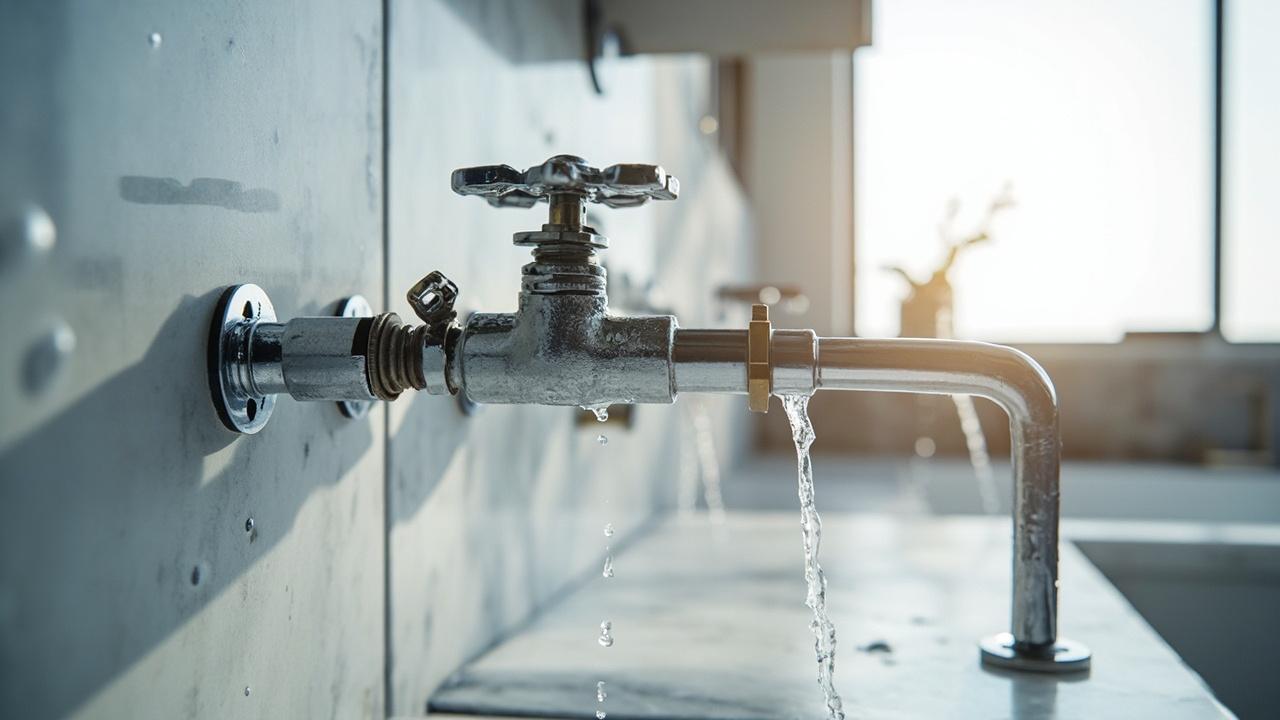
Check the main shutoff valve. The main water shutoff valve, where the service line enters the house, must be fully open for full flow. A partially closed main from a repair not fully reopened, or from tampering or corrosion, reduces pressure to the whole house. Locate the main shutoff, confirm it is fully open, and check whether opening it further restores pressure. This is the easiest whole-house cause to rule out.
Pressure regulator problems. If your home has a pressure regulator (also called a pressure-reducing valve, PRV) where the service line enters, it can fail in ways that reduce pressure. A regulator that is failing or has drifted from its set point delivers pressure that is too low at every fixture. Symptoms include whole-house low pressure that has been getting gradually worse, or pressure that fluctuates. A pressure gauge on an outdoor spigot or washing machine inlet — a simple hose-bib gauge, a few dollars — gives you a reading of the static pressure. If the reading is well below the expected 50 to 60 PSI range and the main valve is fully open, the regulator is a suspect. Regulator replacement is a job for a plumber; it involves the main service line entry and often local permit requirements.
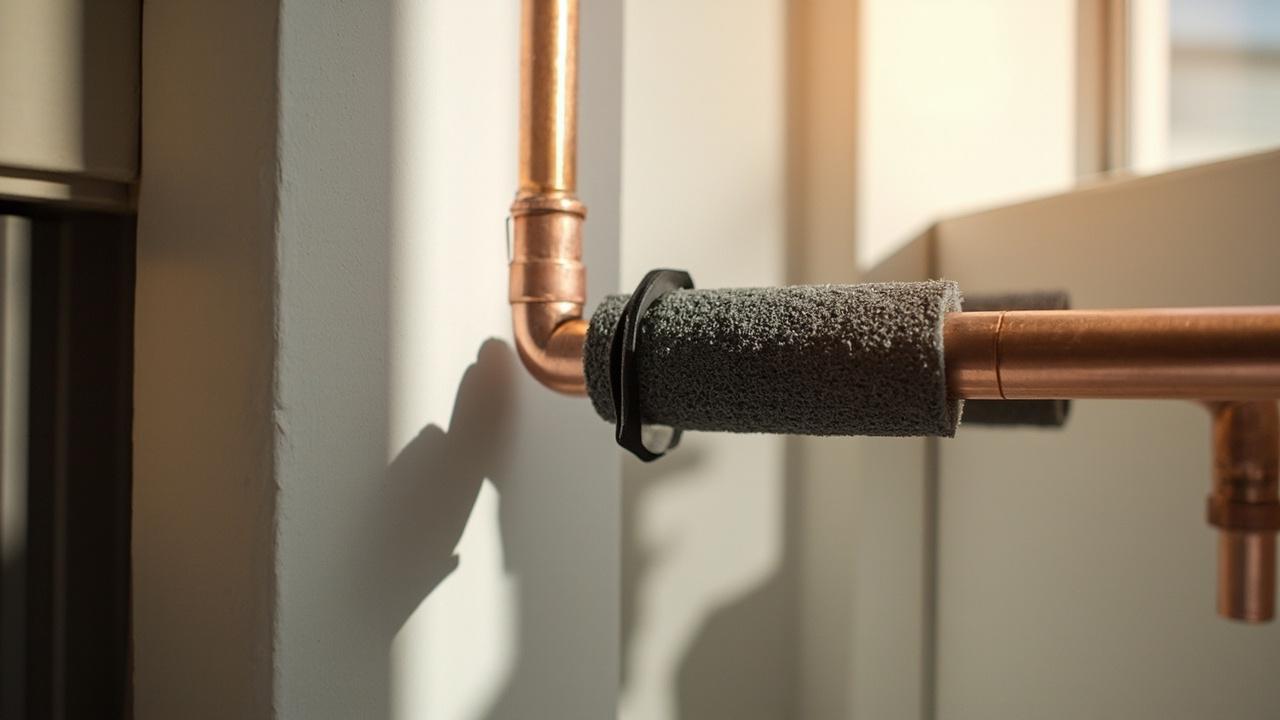
Corroded or restricted pipes. In older homes, galvanized steel pipes corrode internally over decades. The corrosion builds up on the inside, narrowing the passage for water. Pressure slowly drops over years as the pipe lumen shrinks. If a home has galvanized steel supply piping and whole-house low pressure that has worsened over time, corroded pipes are a likely cause. The fix is repiping — replacing the corroded sections or the whole supply system. Copper and PEX are the common replacement materials. A plumbing professional can assess the pipe material and condition and say whether repiping is warranted.
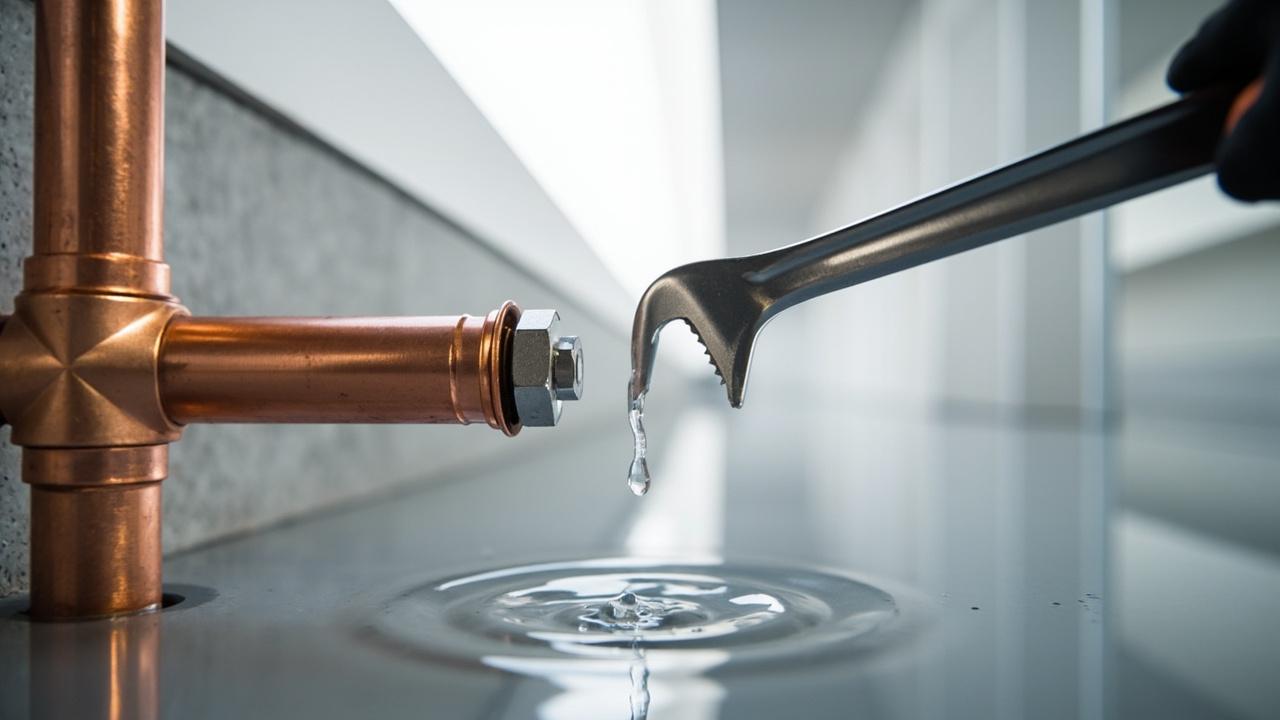
Leaks in the supply system. A leak in the main supply line — between the meter and the house, or within the house — reduces pressure because water escapes before it reaches the fixtures. A significant leak often shows other signs: a wet spot in the yard, a sound of running water when nothing is on, or an unexplained increase in the water bill. A leak inside the house might show as a damp area or a musty smell. If whole-house low pressure comes with any of these signs, a leak is a real possibility. Finding and fixing the leak addresses the root cause rather than just the symptom.
Municipal supply issues. Sometimes the cause is outside the house entirely. The local water utility may be doing work on the system, experiencing a main break, or serving a large area where demand is temporarily high. If neighbors report similar low pressure at the same time, the cause is likely municipal and will resolve when the utility finishes. A call to the water utility can confirm whether there is a known issue in the area.
Water softener or filtration system restriction. If the house has a water softener or a whole-house filter on the main supply line, that device can become clogged and restrict flow. If low pressure appeared after a softener or filter was serviced, bypass the device temporarily and check whether pressure returns. If it does, the device needs service or replacement.
How to Measure Water Pressure at Home
Knowing the actual pressure — not just “feels low” — makes diagnosis much easier. A simple pressure gauge turns a vague symptom into a measurable value.
Use a hose-bib pressure gauge. A pressure gauge that screws onto an outdoor faucet or a washing machine inlet is the easiest way to measure static water pressure. Screw it on, make sure no water is running anywhere in the house, open the faucet, and read the gauge. A normal residential static pressure is about 40 to 80 PSI, with 50 to 60 PSI being common where a regulator is set to a typical level. Readings significantly below that range confirm a pressure problem. Readings above 80 PSI indicate a regulator that is not doing its job — a different problem worth addressing.
Compare static and dynamic pressure. Static pressure is the reading with no water running. Dynamic pressure is the reading while water is flowing — say, with a shower running or a faucet fully open. A big drop from static to dynamic pressure points to a restriction in the system. A small drop is normal, but a large drop is a clue.
Check at multiple points. Measuring pressure at an outdoor spigot and at an indoor faucet tells you whether the problem is everywhere or whether some branches have better pressure than others. If the outdoor spigot has good pressure but indoor fixtures do not, the problem is inside the house. If the outdoor spigot also has low pressure, the problem is more likely at the main entry or the municipal supply.
When Low Water Pressure Means Call a Professional
Simple fixes — cleaning an aerator, soaking a showerhead, checking a valve — are reasonable DIY tasks, and they resolve the majority of single-fixture cases. When the diagnosis points beyond those, a licensed plumber is the right call.
Call a plumber when the problem is the pressure regulator. Regulator replacement is on the main service line entry and frequently involves local permitting. A regulator installed wrong can leave the house with no pressure regulation or no water at all.
Call a plumber when pipes may be corroded or restricted. Deciding whether to repipe, and executing a repipe — opening walls, replacing sections of supply piping, ensuring the new system meets code — is plumbing work that benefits from professional assessment. In an older home with galvanized steel, a professional diagnosis before you spend time on fixture-level fixes can save you from repairing fixtures on a system that needs repiping.
Call a plumber when a leak is suspected. A leak on the buried service line or inside a wall is not something to chase without proper detection equipment. A plumber with leak-detection tools can locate the leak with less damage than a trial-and-error approach. A water bill noticeably higher than usual alongside low pressure is a common sign of a leak.
Call the water utility first when the problem might be municipal. If pressure dropped suddenly and neighbors are affected, a call to the utility is faster than a plumber. If the utility confirms the problem is on their side, you have saved the cost of a service call. If the utility says the pressure at the meter is normal, the problem is in the house.
DIY limits to keep in mind. Any work that involves cutting into a supply pipe, working at the meter, or modifying the point where water enters the house should be done by a licensed professional and, where required, permitted and inspected. Water supply work carries the risk of flooding damage if a joint fails. The DIY-friendly zone is the fixture and its immediate supply — aerators, showerheads, fixture valves, visible supply lines — and the diagnostic work of measuring pressure.
Next steps: if you have confirmed a whole-house pressure problem, start with a pressure gauge reading at an outdoor spigot and a check of the main shutoff valve — those two steps either point to the house side or to the supply side, and they cost almost nothing. For routine maintenance that prevents many pressure problems, see our plumbing system maintenance guide. For homeowners comparing repair versus repipe decisions, see our article on home renovation cost for how plumbing projects fit into a broader renovation budget.