

You do not climb up there often, and that is exactly why the signs you need a new roof are easy to miss. By the time water shows up on the living room ceiling, the damage has usually been spreading for months. Knowing what to look for from the ground, the attic, and the walls is what separates a planned project from an emergency call.
A new roof is not just an age question. Some shingles fail in fifteen years; others hold for thirty. The real signs are physical, and they show up in the same places: shingle condition, daylight in the attic, stains that keep coming back on the ceiling.

The Outside Clues You Can Spot From the Driveway
You do not need a roof inspection to start reading your roof. Binoculars and a phone camera with zoom will pick up most of the issues that matter. Walk the perimeter slowly and look up.
The first clue is curling shingles. Shingles should lie flat against the deck. When the edges curl up like a dried leaf, the sealant strip has failed and the shingle is past its useful life.
The second clue is missing shingles. A few tabs blow off in any storm; that is normal. If you can count five or more bare patches after a moderate wind event, the shingle field is failing as a system, not in spots.
The third clue is bald spots. Asphalt shingles are coated with ceramic granules that protect the asphalt from UV. When those granules wash into the gutter, the shingle underneath starts to dry out and crack.
The fourth clue is visible sagging. A roof line should be straight between the ridge and the eave. If you see a dip or a wave, the deck or the structure beneath it is moving, and that is a structural conversation, not a roofing one.
The fifth is flashing failure. Look at the metal around the chimney, the vent pipes, and the wall transitions. Rusted, lifted, or missing flashing is one of the top causes of interior leaks and often goes unnoticed for years.
For a deeper look at what an inspector finds during a routine check, our how to inspect a roof for damage page walks through the same checklist a pro uses.
The Inside Clues Most Homeowners Never Check
The outside of the roof gets all the attention, but the inside of the house tells you what is actually happening. Three places tell you almost everything you need to know.
The first place is the attic. On a sunny day, climb up with a flashlight and turn it off. Any pinprick of daylight coming through the deck means water has a path in.
The second place is the attic insulation. If the insulation is matted, darkened, or smells musty, moisture has been wicking through the roof assembly for a while. That can be a slow leak, a ventilation problem, or both.
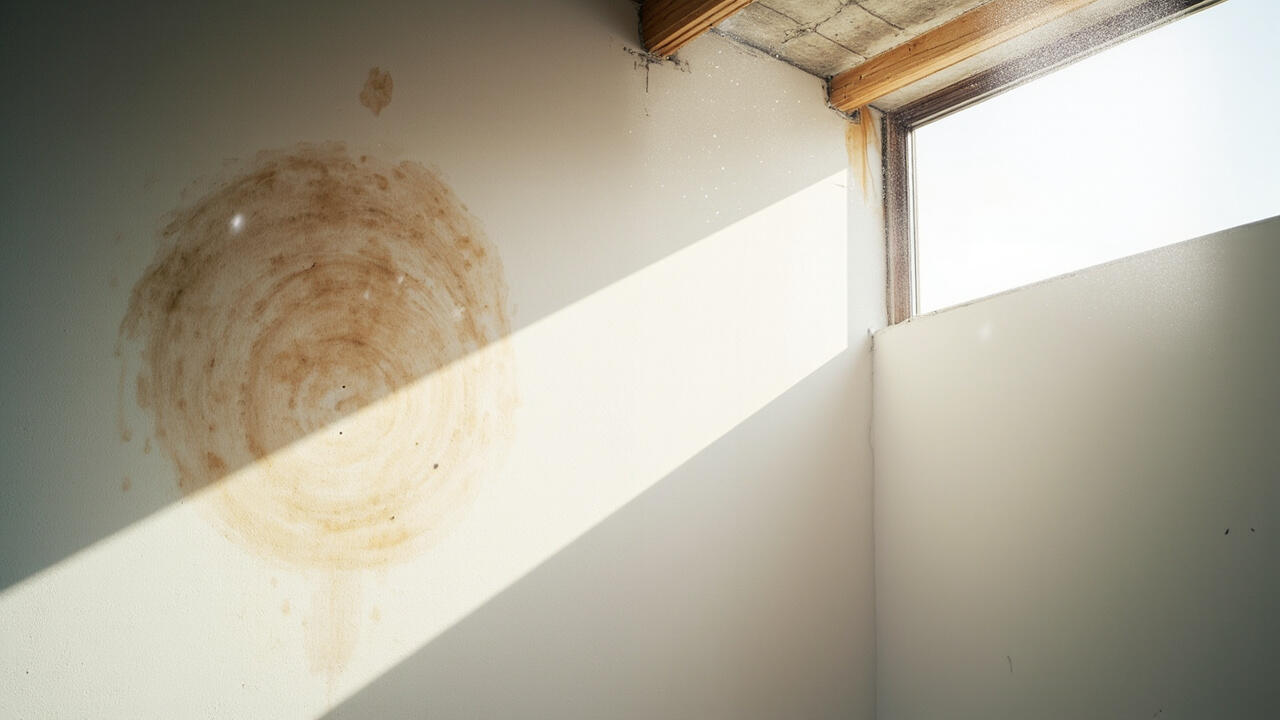
The third place is the interior ceilings and walls. Yellow or brown rings, peeling paint near the crown moulding, and a soft spot you can press with your finger are all late signs. By the time you see them, the deck has usually been wet for months.
The fourth place is the bathroom fan vent. If the vent dumps steam directly into the attic instead of through a roof cap, the moisture loads up in the decking every shower. Our roof ventilation types guide covers how to fix this.
The fifth is the electrical. If you see staining near ceiling-mounted light fixtures or junction boxes, that is moisture migrating through the assembly. Stop using the fixture and call someone that week.
The Quiet Warnings That Sneak Up on You
Some signs you need a new roof do not show up on the roof or the ceiling. They show up in the yard, the utility bill, and even the icicles on the eaves in January.
The first quiet warning is shingle grit in the gutters. A handful after a major storm is normal. A quarter inch of grit at every downspout opening means the shingles are aging out across the whole roof.
The second is a spike in cooling costs. A roof that is failing in summer usually is failing in ventilation at the same time. The attic overheats, the AC runs longer, and the bill tells you months before the ceiling does.
The third is moss or algae streaks. Black streaks on the north side of the roof are usually algae, which is cosmetic. Thick moss, however, holds water against the shingle and shortens its life. Our roof shingle lifespan and warranty guide covers the moss impact in detail.
The fourth is icicles forming unevenly along the eaves. Uniform icicles mean a sunny day on a cold roof. Heavy icicles in one section usually mean warm air is escaping the house there, melting snow, and refreezing at the edge.
The fifth is a musty smell after rain. If the house smells different every time it rains, even with the windows closed, moisture is moving through the roof assembly and not drying out. That is a slow failure, not a sudden one.
When It Is a Repair, and When It Is a Replacement
The line between a repair and a full replacement is not as obvious as it sounds. A good rule of thumb is that if the repair covers more than 25 percent of the roof, a full replacement is usually cheaper over the next five years.
Repair when the damage is localized: one valley, one wall transition, a small area around a chimney. Those fixes run $300 to $1,500 and add years to the life of an otherwise sound roof.
Replace when the damage is systemic: granules falling across the field, shingles curling in multiple slopes, repeated leaks in different rooms. Patching a roof that wants to fail just delays the project and the cost.
Replace when the roof is layered. If your home already has two layers of shingles, most building codes require a tear-off before any new roofing goes on. Repairing a roof that is already at the code limit is not a legal option.
Replace when you are about to sell. A new roof is one of the few upgrades that returns close to its full cost at resale. A repair on a 20-year-old roof usually does not.
For the full decision framework, our roof replacement vs repair page has the comparison broken out by age, damage type, and budget.
What to Do After You Spot the Signs
If you see one or two clues, you have time to plan. If you see five or more, the project should move up the calendar. Either way, the next steps are the same.
- Take photos of every clue you find, with a date stamp on the camera roll.
- Get three written estimates from local roofers who carry both general liability and workers comp insurance.
- Ask each roofer to write a one-page scope that names the underlayment brand, the flashing, and the ventilation plan.
- Check whether your homeowner insurance covers the cause. Wind and hail are usually covered; age is not. Our storm damage roof insurance claim page has the documentation adjusters look for.
- Decide on material. Architectural asphalt is the default; metal runs about double and lasts twice as long. Our asphalt vs metal vs tile roofing guide walks through the climate and resale trade-offs.
- Confirm the permit. Most jurisdictions require one for full tear-offs, and skipping it can stop a sale later. Our roof replacement permit and code requirements page covers what your local office asks for.
- Vet the contractor thoroughly. Our how to choose a roofing contractor checklist is built for this exact step.
If timing on payment is tight, look at financing before you sign. Our financing a new roof options page breaks down home equity, contractor programs, and FHA Title I loans side by side.
For the broader project plan and what a roof replacement actually includes, our roof replacement pillar is the place to start.
For the project day itself, our roof replacement process step by step guide walks through every phase from quote to final walkthrough.
For the budget in advance, our roof replacement cost guide has the per-square-foot numbers by material and region.
For prep around the house before the crew arrives, our how to prepare your house for roof replacement page covers what to move and what to cover so the loud days do not break anything outside the construction zone.
A roof does not usually fail all at once. It tells you, slowly, in twelve different ways, that the end is near. The trick is reading the signs before the ceiling does, and acting on them while you still have time to plan.