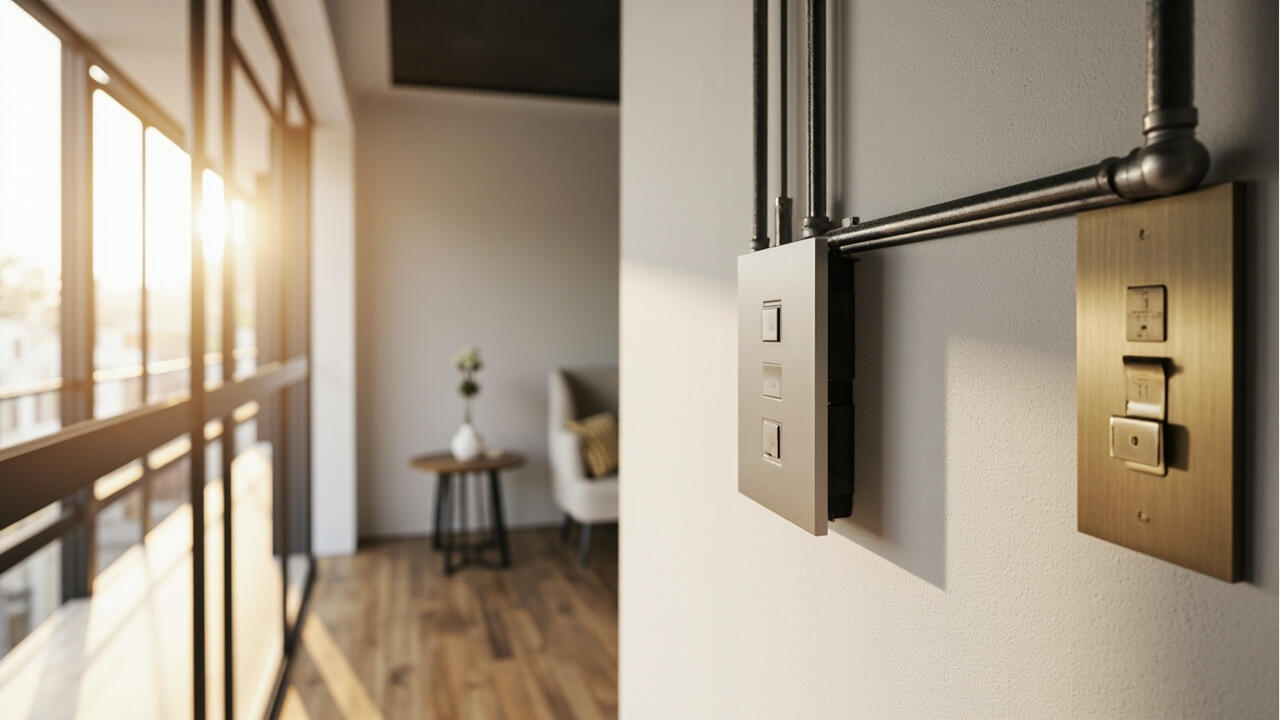

Home electrical systems are not all the same, and the type you have determines what you can safely add, how much it costs to upgrade, and whether a repair or a full replacement makes sense. The most common residential setup in North America is a 100 to 200 amp breaker panel fed by overhead or underground service, with branch circuits running 14 to 10 AWG copper wire to outlets, switches, and fixtures. Knowing which system you have is the first step before any renovation, new appliance, or safety upgrade.
Types of Home Electrical System: What It Actually Takes
A home electrical system is the complete path from the utility transformer to the last outlet in the room. It includes the service entrance, the breaker panel 100-200A, branch circuits, devices, and grounding. The three main system types are the older 60 amp fuse box, the modern 100 to 200 amp breaker panel, and the upgraded 200 amp plus service with sub-panels for additions.
Older homes built before 1960 may still run a 60 amp fuse box with screw-in fuses. These systems were designed for lighting and small appliances, not today’s loads. A modern 100 amp panel handles a typical 1,500 to 2,000 square foot home, while a 200 amp panel supports electric ranges, dryers, central air, and an electric vehicle charger. The right size depends on a load calculation per NEC 220, not guesswork.
Branch circuits matter as much as panel size. Wire gauge 14-10 AWG covers most residential circuits: 14 AWG for 15 amp lighting, 12 AWG for 20 amp kitchen and bath circuits, and 10 AWG for 30 amp dryers. Mixing gauges or overloading a circuit is a common and dangerous mistake. Always match breaker rating to wire gauge.
Service entrance type also matters. Overhead service drops are exposed to weather and tree damage, while underground laterals are protected but harder to repair. The meter base and main disconnect must be rated for the service size. Upgrading from 100 to 200 amps often requires a new meter base and sometimes utility coordination.
Panel brand matters for safety. Federal Pacific and Zinsco panels have documented failure rates and should be replaced. Modern panels from Square D, Eaton, and Siemens meet current UL standards. A licensed electrician can identify your brand and condition during an inspection.
How Types of Home Electrical System Works Step by Step
Power enters through the service drop or lateral, passes through the meter, and reaches the main breaker. From there, branch breakers distribute power to circuits. Each circuit has a hot, neutral, and ground conductor. The neutral returns current; the ground provides a safety path during a fault.
Protection devices add layers. GFCI/AFCI protection is required by NEC 210.8 and 210.12 in bedrooms, kitchens, bathrooms, garages, and outdoor areas. GFCI outlets trip on ground faults; AFCI breakers detect arc faults. Dual-function breakers combine both. Correct placement prevents shocks and fires.
Grounding ties the system to earth through a grounding electrode, usually two 8 foot ground rods or a metal water pipe. Without proper grounding, surges and faults have nowhere safe to go. This is one reason DIY electrical work often fails inspection.
Load calculation follows NEC 220. It accounts for square footage, appliance loads, and demand factors. A 2,000 square foot home with electric heat and a range might need 150 amps. Adding an EV charger can push a 100 amp service over capacity. Plan headroom of 20 percent for future loads.
Conduit versus NM-B cable is another decision. NM-B, commonly called Romex, is standard for dry interior walls. Conduit is required in garages, basements, and outdoor runs. The choice affects cost, labor, and future access for repairs.
Types of Home Electrical System Costs and Common Mistakes
A panel upgrade from 100 to 200 amps typically runs 1,500 to 4,000 dollars depending on region, permit fees, and whether the service entrance must be replaced. Adding a single 20 amp circuit costs 150 to 500 dollars. These ranges vary, so get three quotes and confirm permit requirements.
Common mistakes include undersizing the panel for future loads, reusing aluminum wiring without proper connectors, and installing LED dimmers that are not compatible with the bulb type. Aluminum wiring remediation requires AlumiConn or COPALUM connectors, not standard wire nuts. Dimmer compatibility follows NEMA SSL 7A phase-cut guidance.
Another frequent error is confusing a sub-panel with a main panel. A sub-panel in a garage or addition must have its own grounding electrode system and be fed by a four-wire feeder. Treating it like an extension cord setup creates code violations and shock risk.
Permit and inspection costs add 100 to 500 dollars but protect you from insurance and resale problems. Skipping permits may save money today but costs more at sale. Always verify local amendments to the NEC, since jurisdictions adopt different code cycles.
Outlet spacing of 6 to 12 feet per code prevents overuse of extension cords. Missing GFCI protection in kitchens and baths is a leading cause of shock. Fan-rated boxes rated for 70 pounds are required for ceiling fans per NEC 314.27(C).
Where Types of Home Electrical System Goes Wrong
Systems fail when demand exceeds design. An older 100 amp panel serving a home with a new electric range, dryer, and EV charger will trip breakers or overheat. The fix is not always a full replacement; sometimes adding a sub-panel or upgrading the service drop is enough.
AFCI nuisance tripping is often blamed on the breaker when the real cause is a shared neutral or a damaged cable. Replacing a working breaker wastes money. Troubleshoot the wiring first. Utility flicker from reclose events at 1 to 2 Hz is also commonly misdiagnosed as a house wiring problem.
Aluminum wiring from the 1960s and 70s is a known risk, but not every aluminum circuit is dangerous. The hazard is at connections, not the conductor itself. Proper remediation and periodic inspection reduce risk without a full rewire.
Overloaded circuits show warning signs: warm outlets, flickering lights, and tripping breakers. Ignoring these can lead to fire. If you see any of these, stop using the circuit and call an electrician immediately.
DIY work without permits creates insurance and liability problems. If a fire starts in unpermitted work, your claim may be denied. Professional work with permits protects your investment and your family.
What to Do Next After Types of Home Electrical System
Start with a load calculation and a panel inspection by a licensed electrician. If your panel is a Federal Pacific or Zinsco brand, plan for replacement regardless of condition. If it is a modern 200 amp panel, focus on adding circuits and protection devices as needed.
For the next step, review the home electrical system replace vs repair guide to decide whether your situation calls for a fix or a full upgrade. If you are choosing a new system, the best home electrical system for your home page walks through sizing and options. Always pull permits and schedule inspection for any panel or service work.
Electrical work is not a place to cut corners. A licensed professional can confirm code compliance, handle utility coordination, and keep your home safe and insurable. Match every decision to your actual load, budget, and plans for the next ten years.
Keep records of all work, permits, and inspections. This documentation helps with insurance claims, resale, and future troubleshooting. A well-documented electrical system is a valuable asset for any homeowner.
When planning a renovation, list every new load you expect to add over the next decade. Kitchens, laundry rooms, and garages are the most common expansion points. A 200 amp service with spare breaker slots costs little more than a 100 amp service and avoids a second upgrade later. Document the final layout and label every breaker clearly.
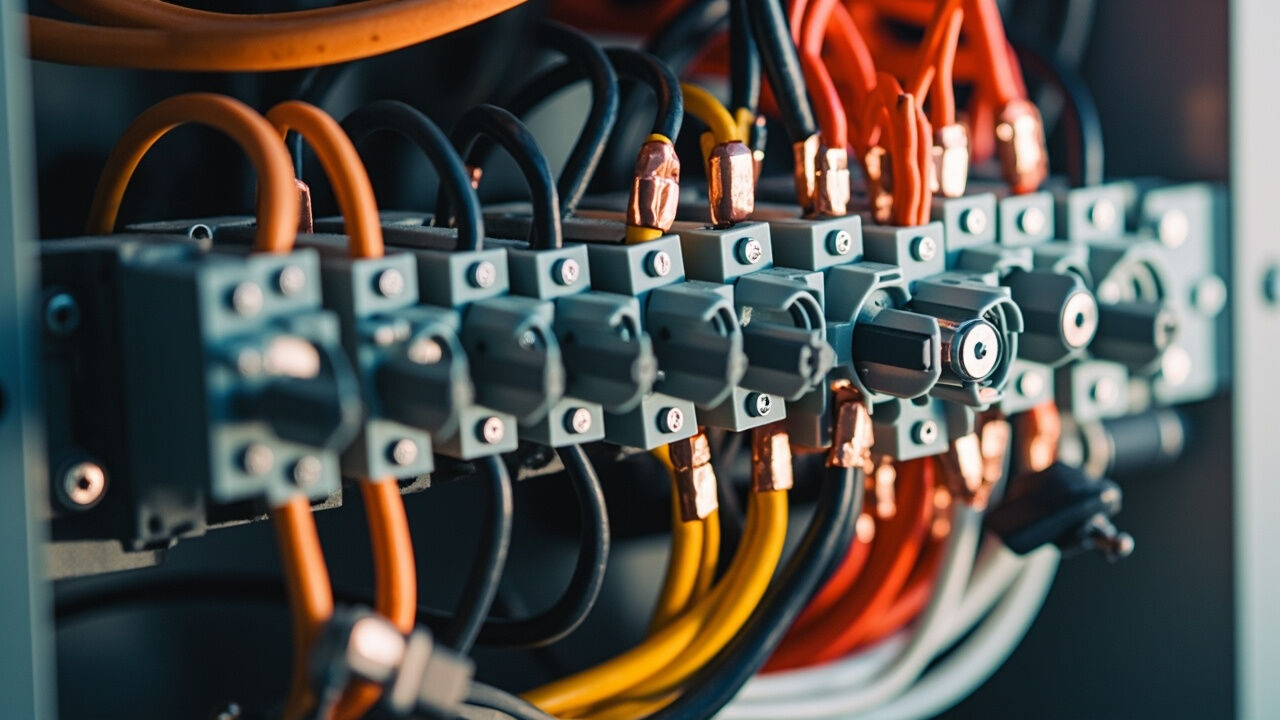
Insurance companies increasingly ask about panel type and age during underwriting. Upgrading an obsolete panel can lower premiums and prevent claim denials. Keep receipts, permits, and inspection reports in a dedicated folder for future reference and resale disclosures.
Regular maintenance includes testing GFCI and AFCI devices monthly and visually inspecting the panel for rust, scorch marks, or loose breakers. Schedule a professional inspection every five to ten years, or sooner if you notice unusual behavior. Prevention is far cheaper than emergency repairs after a failure.