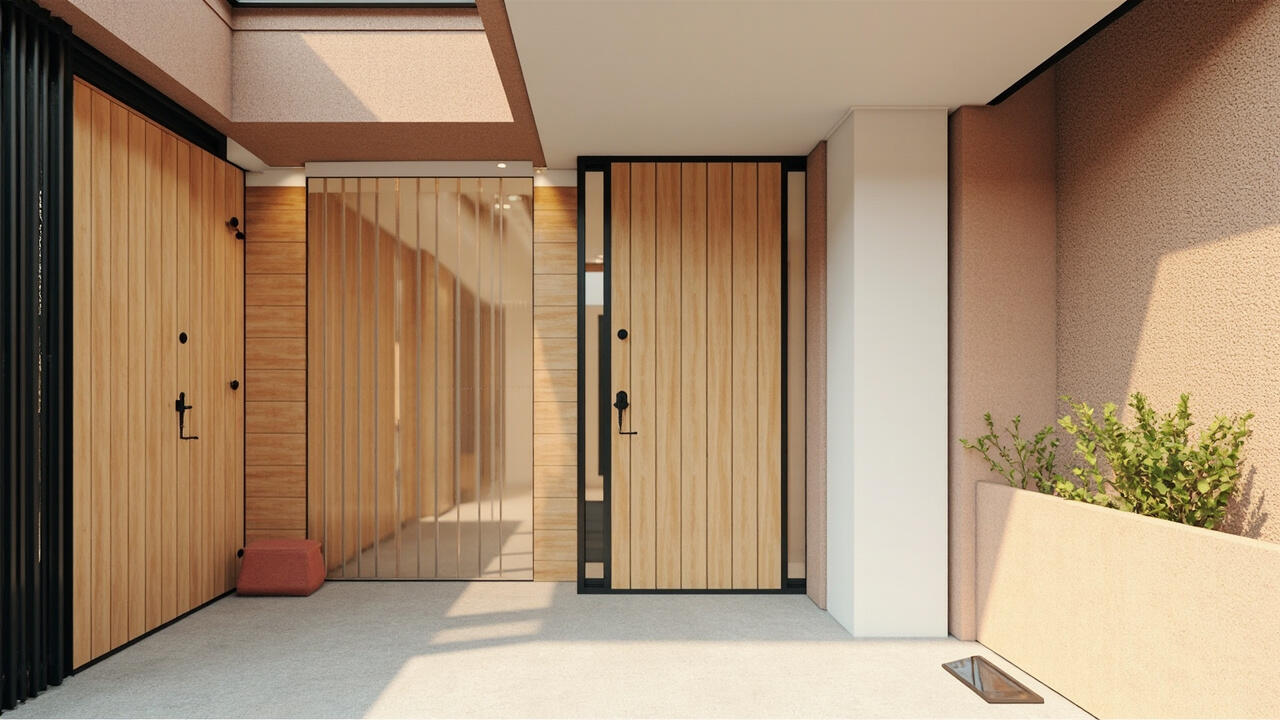

House siding and exterior cost per unit is best understood as installed price per square foot plus the upkeep it demands over decades. Vinyl runs about $3 to $8 per sq ft ($32 to $86 per sq m) installed, fiber cement $6 to $13, and masonry veneer $12 to $25. The cheapest panel is not always the cheapest wall, because paint cycles and rot repair add up. Before budgeting, know your wall area, your climate, and whether you will do the work or hire it out. For a material overview, this guide to types of house siding and exterior frames the choices. In short, price the whole assembly, not just the panel.
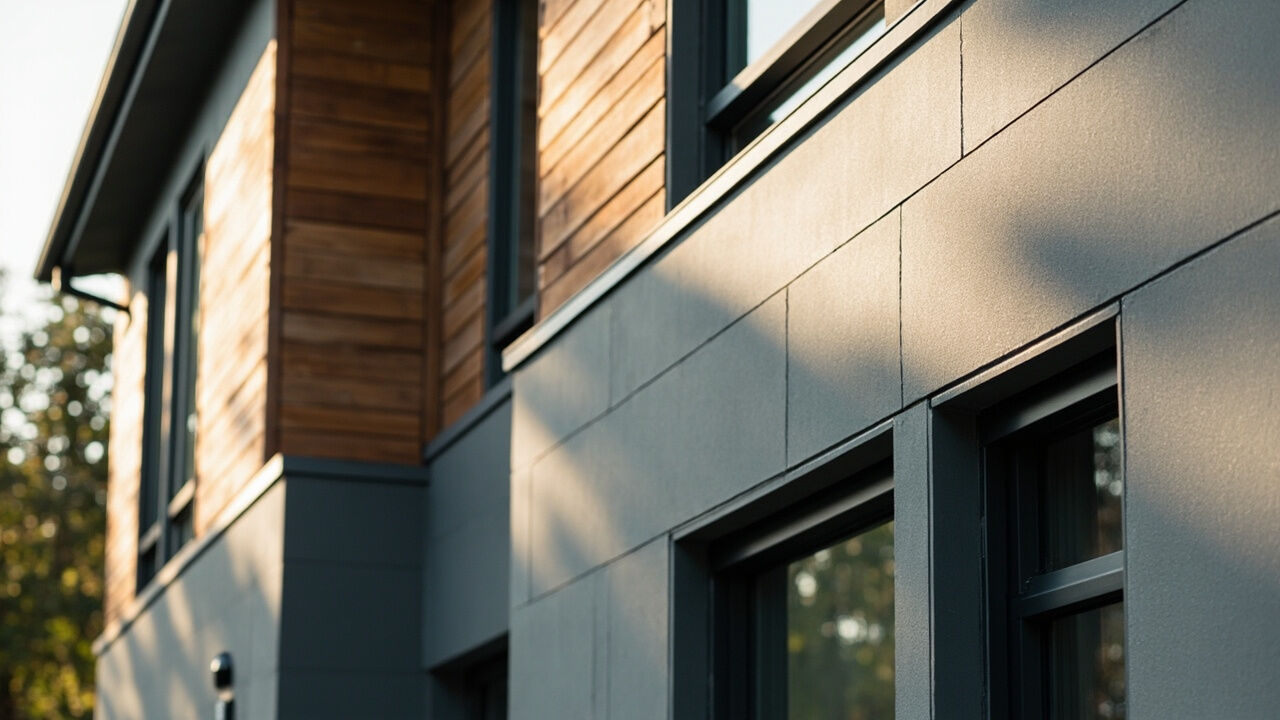
House Siding And Exterior Cost Per Unit: What It Actually Takes
House siding cost per unit means the installed price per square foot of wall area, including panel, trim, barrier, flashing, labor, and disposal, not the sticker price of the material alone.
Most quotes are given per square, where one square equals 100 sq ft (9.3 sq m). A 2,000 sq ft (186 sq m) wall area is twenty squares. Vinyl at $5 per sq ft lands near $10,000; fiber cement at $9 near $18,000. The installed unit cost only becomes comparable when every quote itemizes the same scope.
Hidden line items move the number more than the panel. Tear off and disposal add $1 to $2 per sq ft. Scaffolding or lift rental adds hundreds to thousands. Sheathing repair allowance of 10 to 15 percent is standard. Permits and inspections add a few hundred. The project overhead often exceeds the material delta between vinyl and fiber cement.
Measure wall area correctly to avoid surprises. Subtract window and door openings larger than 10 sq ft (0.9 sq m), then add 10 percent for cuts and waste. Complex gables and dormers raise waste to 15 percent. An honest waste factor keeps you from running short mid job.
How House Siding And Exterior Cost Per Unit Works Step by Step
Building a budget from the unit cost up keeps you in control and exposes where a low bid cut corners.
Start with material selection, because it anchors everything else. Vinyl is cheapest to buy and install. Fiber cement and engineered wood sit in the middle. Metal and masonry veneer top the range. Each carries a different labor profile: vinyl crews move fast, fiber cement needs special blades and dust control, masonry needs masons. The labor multiplier can rival the material price.
Next price the assembly. Weather barrier, flashing, starter strips, trim boards, caulk, and fasteners add $1 to $3 per sq ft. Skipping these to win a bid is how walls fail. The water management layer is the part you cannot see but cannot skip.
Then add access and demolition. Two story homes need lifts or scaffolding. Tear off of old siding with possible asbestos or lead paint testing adds cost and time. Disposal fees vary by region. The access cost can shift the winning bid more than material choice.
Finally, compare itemized quotes, not bottom lines. Ask each bidder to name the panel brand and profile, the barrier, the flashing details, and the sheathing repair allowance. A cheap total with vague scope is not a deal. The quote transparency tells you who will stand behind the work.
House Siding And Exterior Cost Per Unit Costs and Common Mistakes
Owners often underestimate siding cost by focusing on the panel and ignoring lifecycle, then overpay in repairs later.
The biggest mistake is ignoring upkeep. A $5 per sq ft vinyl wall needs washing; a $9 per sq ft cedar wall needs stain every three to five years at a few thousand dollars a round. Over thirty years the cheaper panel can win on cash, but only if you count every coat. The lifecycle cost is the honest number.
Another mistake is underbidding sheathing repair. A wall that looks sound can hide rot behind the lowest courses. Budget 10 to 15 percent for substrate repair and treat unspent allowance as a win, not a loss. The repair allowance protects the schedule.
A third mistake is timing siding before the roof. If the roof is near retirement, replace it first so new flashing tucks correctly; this overview of roofing cost per square helps you budget that order. Siding installed against an old roof invites leaks at the wall to roof junction. The project sequence saves money twice.
Where House Siding And Exterior Cost Per Unit Goes Wrong
Cost overruns come from scope gaps and surprises, not from the panel price, so define boundaries before signing.
Scope creep kills budgets. A quote that says replace all siding can quietly exclude soffit, fascia, and trim, which then appear as change orders. Demand an itemized list and a stated allowance for substrate repair. The scope definition is your protection.
Permits and inspections add cost and time but protect value. Many jurisdictions require a permit for full re cladding and an inspection of the weather barrier before panels go up. Skipping this can void insurance claims. Always confirm local rules.
Some walls should never be DIY. Multistory work, walls with active leaks, and assemblies tied to roofing or decks need a licensed professional. Consult a licensed professional before opening those walls, because hidden leaks mean rotted sheathing beyond the visible damage.
What to Do Next After House Siding And Exterior Cost Per Unit
With a unit cost in hand, turn the number into a plan and a schedule.
Collect three itemized quotes that name the panel, the barrier, and the flashing details. Compare allowances, warranty terms, and who handles sheathing repair. The final decision should rest on who will stand behind the water management, not the lowest bottom line. The final decision is about accountability.
Sequence siding with neighboring projects to avoid paying twice. Windows and exterior doors should land before or with siding so their flanges integrate with the drainage plane. Roofing should precede siding where the roof is near end of life. The project sequencing keeps crews from undoing each other.
Your next move is concrete. Measure wall area, pick two materials that fit your climate and budget, and request itemized quotes from three contractors. The water-shedding assembly you choose should match your sun exposure, rainfall, and honest appetite for upkeep. For damage decisions, compare siding maintenance and repair.