
Understanding roofing and shingle cost per unit helps homeowners budget accurately and compare quotes fairly. Shingles are sold by the bundle and by the square, and prices vary widely by material, region, and season. This guide breaks down unit pricing, coverage math, and the hidden costs that affect your final number.
Roofing and Shingle Cost Per Unit: What It Actually Takes
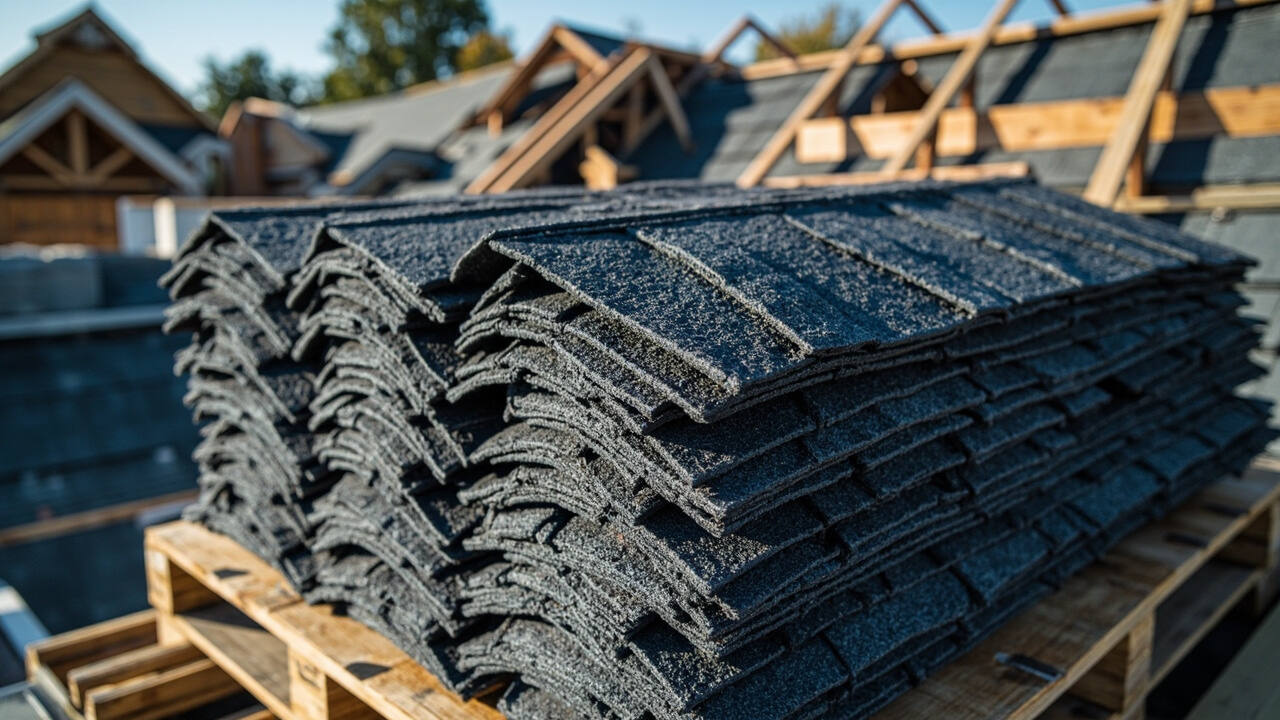
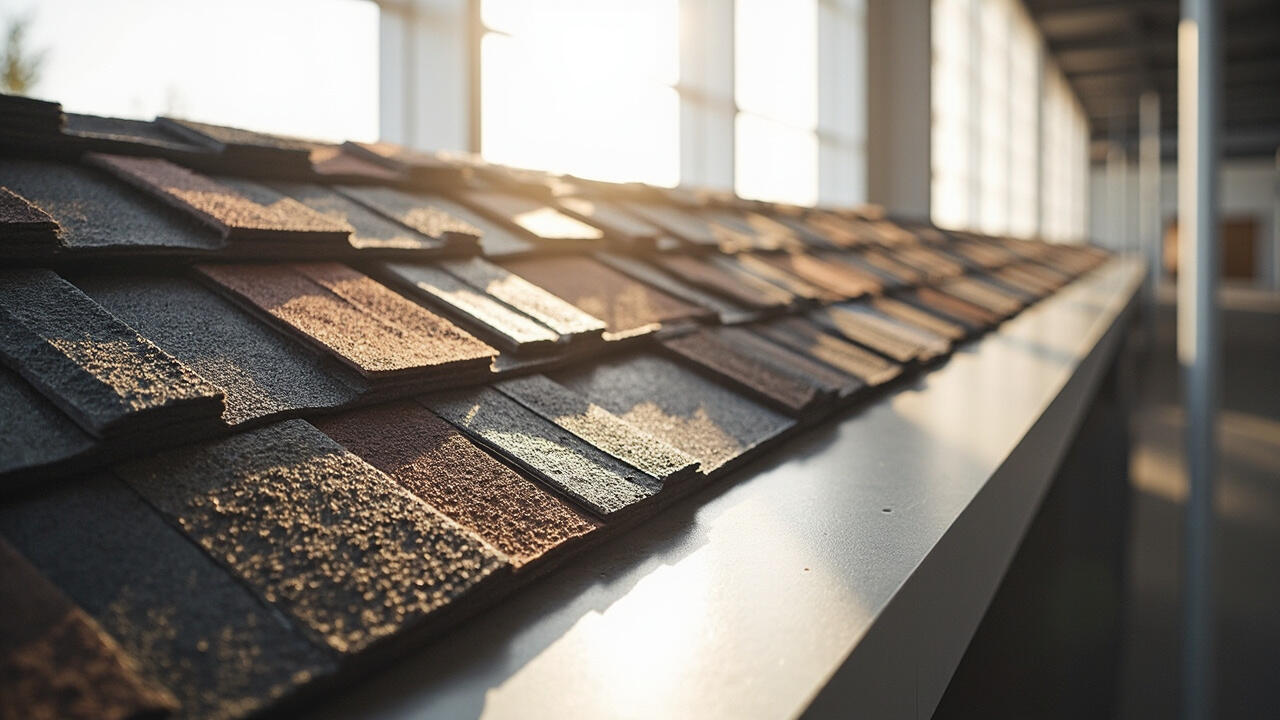
A square of shingles covers 100 square feet of roof area. Most bundles cover about 33 square feet, so three bundles make one square. 3-tab shingles usually need three bundles per square, while architectural shingles may need four bundles depending on exposure and waste.
Prices per square range from 90 to 130 dollars for basic 3-tab, 120 to 180 dollars for architectural, and 300 to 600 dollars for premium or designer shingles. These are material-only figures and exclude underlayment, flashing, and labor.
Cost per bundle is simply the square price divided by bundles needed. A 120 dollar square of architectural shingles in four bundles costs about 30 dollars per bundle. Always confirm bundle coverage on the label before ordering.
Waste factor matters. Complex roofs with valleys, hips, and dormers waste 10 to 15 percent more material. Simple gable roofs waste closer to 5 percent. Order 10 percent extra for standard roofs and 15 percent for complex ones.
Regional pricing varies. Coastal and urban markets run higher due to demand and freight. Rural and Midwest markets often run lower. Shipping heavy materials adds cost, so local suppliers usually beat online prices.
Underlayment is priced separately. Synthetic underlayment runs 0.15 to 0.35 dollars per square foot, while felt runs 0.05 to 0.12 dollars. Ice and water shield runs 0.50 to 1.00 dollars per square foot and is required at eaves and valleys in many codes.
How Roofing and Shingle Cost Per Unit Works Step by Step
Measure the roof. Calculate each plane’s area in square feet and convert to squares by dividing by 100. Add waste factor. This gives your total material quantity in squares and bundles.
Get quotes from at least three suppliers. Ask for the same product line, color, and bundle count. Compare delivered price, not just unit price, since freight can erase a small savings.
Factor in accessories. Ridge cap shingles, starter strips, and hip and ridge products are priced per linear foot or per bundle. A typical roof needs 60 to 100 linear feet of ridge cap, which can add 50 to 150 dollars.
Include fasteners. Roofing nails cost about 30 to 60 dollars per 5,000 count box. Most roofs need 2 to 4 boxes. Pneumatic nailers speed installation but add rental cost if you are DIY.
Check for bulk discounts. Buying a full pallet often reduces per-bundle price by 5 to 10 percent. Suppliers may also waive delivery fees above a threshold. Ask about contractor pricing if you are hiring a pro, since they pass through trade discounts.
Compare total installed cost. Labor typically runs 150 to 300 dollars per square, which often exceeds material cost. A 2,000 square foot roof at 20 squares with 150 dollars per square labor adds 3,000 dollars. Always get the full installed price before deciding.
Roofing and Shingle Cost Per Unit Costs and Common Mistakes
Material prices fluctuate with oil and asphalt markets. Asphalt shingle prices rose sharply in recent years. Lock in pricing with a written quote valid for 30 days when possible.
Common mistakes include underestimating waste, forgetting starter strips, and mixing shingle brands. Color mismatch between bundles from different lots is another risk. Order all material from one lot when possible.
Another error is ignoring wind rating. Higher wind-rated shingles cost 10 to 20 percent more but may be required by code in hurricane zones. Verify your local wind speed design requirement before ordering.
Skipping underlayment to save money is a false economy. Underlayment is the secondary water barrier and costs a fraction of the shingles. A roof without proper underlayment fails early and voids warranties.
Decking replacement is the biggest hidden cost. Rotted or soft panels run 50 to 100 dollars per 4 by 8 sheet installed. Budget a contingency of 5 to 10 percent of total project cost for decking.
Disposal fees add up. Tear-off debris runs 300 to 600 dollars for dumpster rental and disposal. Some contractors include this in their bid; confirm in writing.
Where Roofing and Shingle Cost Per Unit Goes Wrong
The biggest risk is comparing quotes on unit price alone. A cheaper shingle with shorter warranty and lower wind rating may cost more over its life. Compare total installed cost and warranty length.
Another failure is buying too little material. Running short mid-project means a second delivery, color mismatch risk, and schedule delay. Always round up and keep extra bundles for future repairs.
DIY cost savings are often overstated. Without experience, waste rises, installation errors cause leaks, and warranties may not apply. Professional installation usually pays for itself in longevity and warranty protection.
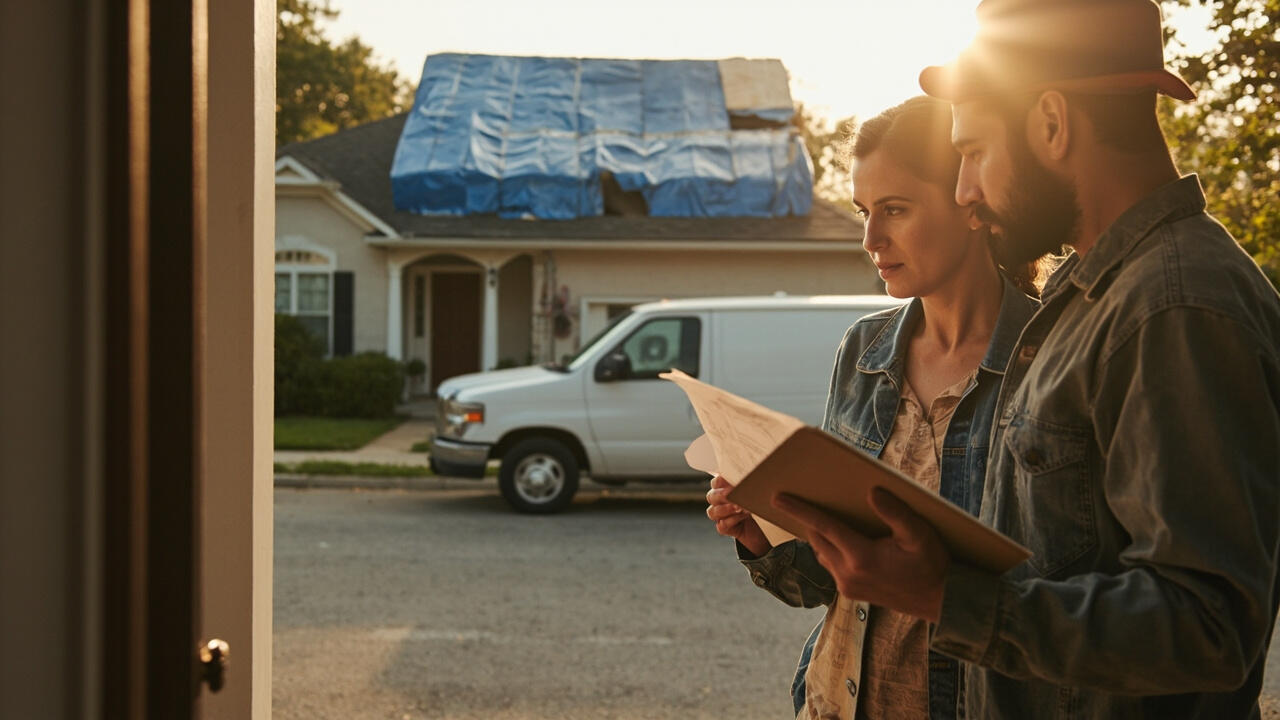
Insurance claim pricing differs from retail. Insurers use regional pricing databases that may not match local quotes. Get an independent estimate and negotiate if the insurer’s figure is low.
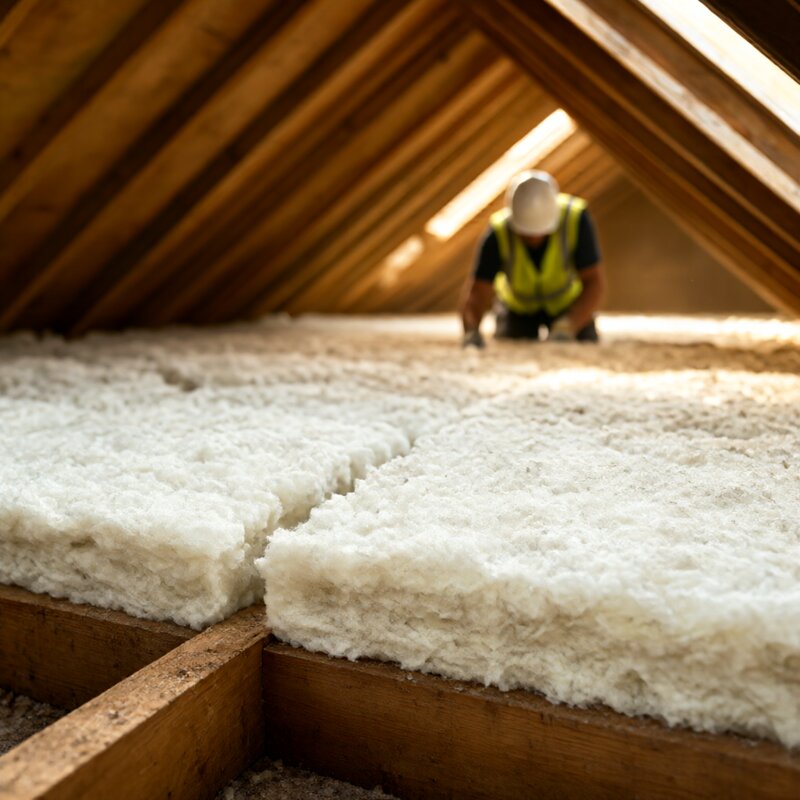
Ventilation and insulation upgrades are often skipped to save money. But poor ventilation shortens shingle life and increases energy bills. Budget for ridge vents, soffit vents, and adequate attic insulation during replacement.
Flashing and pipe boot replacement is frequently omitted from low bids. Reusing old flashing fails within a few years. Ensure all flashing is replaced with new, properly installed units.
What to Do Next After Roofing and Shingle Cost Per Unit
Build a detailed estimate with material, labor, accessories, and contingency line items. Get three written bids with identical scope. Verify contractor licensing, insurance, and references before signing.
Ask about manufacturer warranties and workmanship warranties. Many shingle makers offer 30 to 50 year limited warranties, but they require certified installation. Confirm your contractor is certified for the product you choose.
Schedule the project during dry weather and confirm lead times. Shingle availability can lag during peak season. Order materials early and store them flat and dry.
For repair versus replacement guidance, see roofing and shingle replace vs repair. For installation steps, see how to replace roof shingles. For contractor selection, see how to choose a roofing contractor.
Keep records of your purchase, including product name, color, lot number, and warranty documents. These are essential for future repairs and insurance claims. Store leftover shingles in a dry place for patching.
Track price trends seasonally. Late fall and winter often bring lower prices and better availability. Planning ahead saves money and avoids peak-season delays.