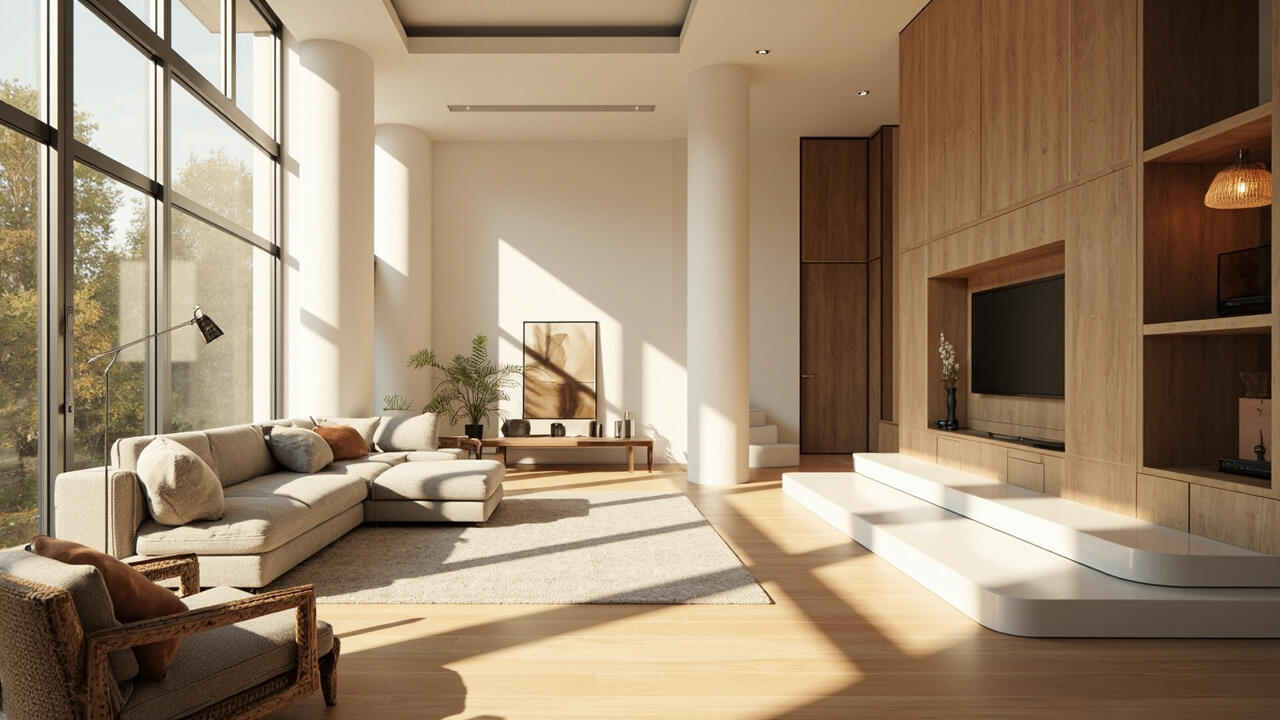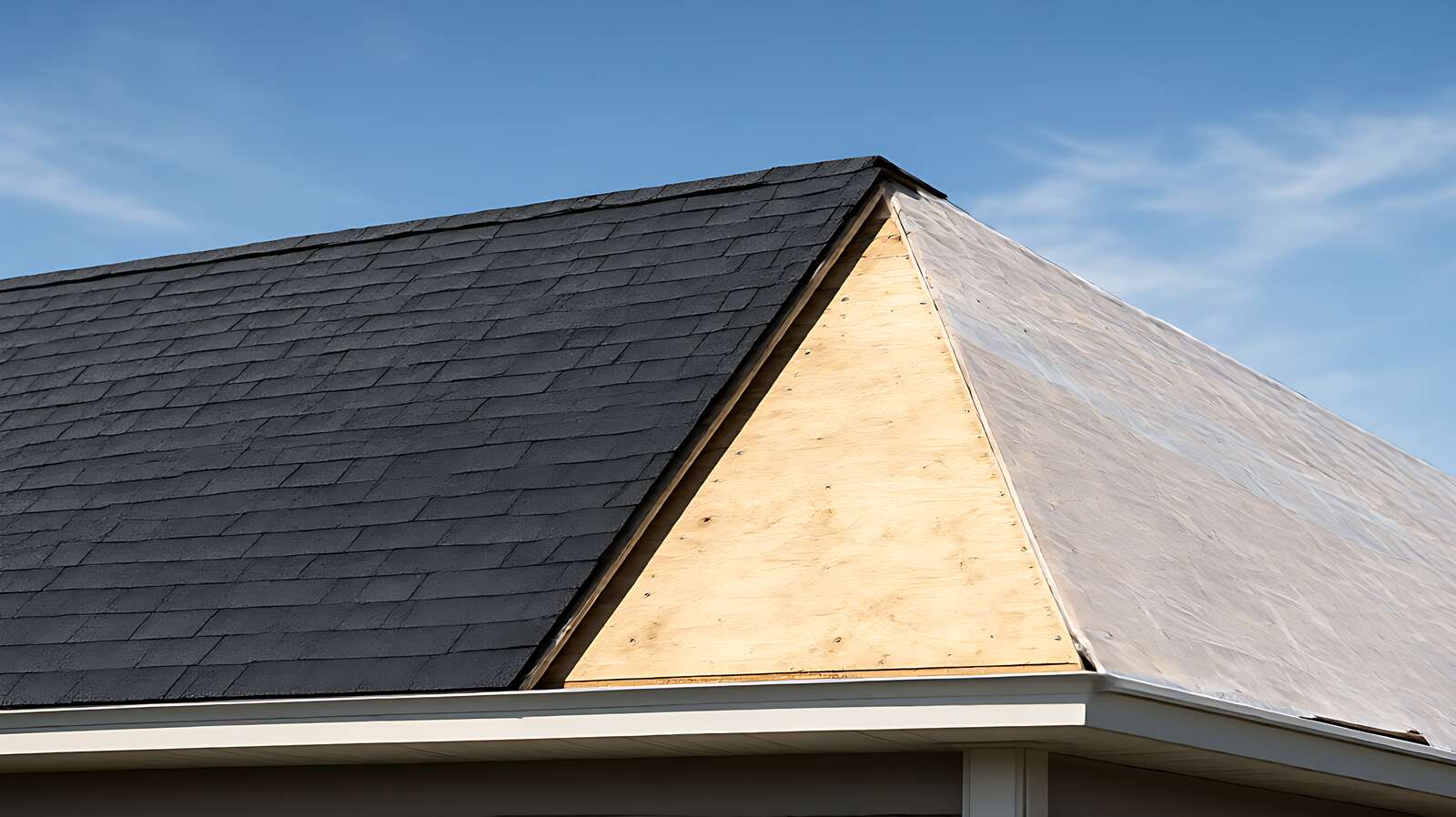

A flooring system is not just the material you walk on. It is the complete stack: the finished floor, the underlayment, the subfloor, the fasteners and adhesives, and the expansion and moisture controls that let all of it move without failing. Get the stack wrong and a beautiful surface buckles, squeaks, or cups within a season.
What “Flooring System” Actually Means
Most homeowners shop for flooring by color and texture. The store sells you a product. What you actually need is a system that survives your subfloor, your moisture, and your traffic for ten years without a callback. That is a different question, and it starts below the surface.
A finished floor is the visible layer. It can be solid hardwood, engineered wood, SPC vinyl, WPC vinyl, porcelain tile, cork, or bamboo. Each one behaves differently under load, heat, and water. None of them performs well on a bad subfloor.
The underlayment sits between the finished floor and the subfloor. It absorbs sound, smooths minor imperfections, and blocks moisture. Skip it on a concrete slab and you inherit every crack telegraphing through the new floor. Use the wrong one under a floating floor and you create a trampoline.
The subfloor is the structural layer. Plywood or OSB over joists in most wood-frame homes. Concrete slab in basements and many ground floors. The subfloor must be flat within 3/16 inch over 10 feet for most floating floors. Anything beyond that needs leveling compound before you lay a single plank.
The point is simple. You are not buying a floor. You are buying a stack that has to work together. The material is only one of four parts, and it is usually the cheapest to fix if everything else is right.
The Main Flooring System Types and How They Differ
There are roughly seven families of finished floor in North American homes. Each one wins in a different situation, and each one fails in a predictable one.
Solid hardwood is milled from a single piece of timber, usually 3/4 inch thick. It can be sanded and refinished multiple times. It also moves with humidity. In a dry winter it shrinks and gaps. In a humid summer it swells and cups. It belongs above grade, in climate-controlled space, over a wood subfloor.
Engineered wood is a thin hardwood veneer bonded to a plywood or HDF core. That cross-grain construction resists humidity movement far better than solid wood. It can go over concrete slabs and radiant heat systems. The trade-off is refinishing depth: most engineered floors allow one or two light sandings, not the five or six you get from solid wood.
SPC vinyl (stone plastic composite) has a rigid limestone-filled core, usually 4 to 6 mm thick, with a 12 to 20 mil wear layer on top. It is waterproof, dimensionally stable, and forgiving of imperfect subfloors. The downside is feel: it reads as hard and slightly hollow underfoot, and cheap versions sound loud.
WPC vinyl (wood plastic composite) has a foamed core that feels softer and quieter than SPC. It is also waterproof but slightly less rigid, so it can telegraph subfloor bumps more readily. WPC suits bedrooms and living rooms where comfort matters more than dent resistance.
Porcelain tile is the most durable option in wet areas. It is also the heaviest, the coldest underfoot, and the most expensive to install. A tile floor is only as good as the substrate: cement backer board over a flat subfloor, with proper thin-set coverage and expansion joints at every change of plane.
Cork and bamboo are the renewable options. Cork is harvested every 9 to 12 years without killing the tree. Bamboo matures in 3 to 5 years. Both need careful acclimation and a vapor barrier over concrete. Both are softer than hardwood and dent more easily.
No single floor is best. The right choice depends on what is underneath it, what sits above it, and how the room is used.
How Subfloor, Moisture, and Radiant Heat Change the Choice
This is where most flooring decisions go wrong. Homeowners pick a material first and discover the subfloor problem second. Reverse the order and the decision gets easier.
Subfloor flatness is the first gate. Most floating floors need 3/16 inch over 10 feet. Concrete slabs in older homes often exceed that. You can level with self-leveling compound, but the cost adds up fast on a large area. If your slab is wavy, a rigid floor like SPC or tile will bridge gaps and crack. A more flexible product, or a glue-down installation, handles it better.
Moisture is the second gate. Concrete slabs emit vapor even when they look dry. Wood subfloors over crawl spaces can absorb ground moisture. A vapor barrier or moisture-mitigating primer is cheap insurance. Skip it and you get cupping, adhesive failure, or mold under the floor.
Radiant heat narrows the list further. Not every floor handles temperature cycling. Engineered wood is generally rated for radiant systems up to 85 degrees Fahrenheit surface temperature. SPC and WPC are usually compatible. Solid hardwood is risky because the heat dries the wood unevenly. Cork and bamboo need manufacturer confirmation. Always check the product’s radiant heat rating before you buy.
The practical rule: test the subfloor first. A moisture meter and a straightedge cost less than one plank of flooring. If the subfloor fails, no material choice saves you.

Cork vs Bamboo vs Engineered: When Each One Wins
These three get compared often because they all offer a wood-like aesthetic with different performance profiles. The decision is not about looks. It is about what the floor has to survive.
Cork is the quietest and warmest underfoot. Its cellular structure compresses and recovers, so it feels forgiving. A Janka hardness of about 200 means it dents under heavy furniture and pet claws. It suits bedrooms, home offices, and playrooms where comfort beats durability. It also insulates sound, which matters in multi-story homes.
Bamboo is harder. Strand-woven bamboo rates above 3000 on the Janka scale, harder than most domestic hardwoods. It resists denting but scratches more visibly. The grain pattern is distinctive and not for every taste. Bamboo needs acclimation of 48 to 72 hours and a stable indoor humidity range.
Engineered wood wins when you want real wood over a challenging substrate. Over a concrete slab, over radiant heat, or in a basement with proper vapor control, engineered is the only wood option that makes sense. The veneer gives you the look. The core gives you stability.
The decision rule is simple. If comfort and sound matter most, choose cork. If dent resistance and hardness matter most, choose strand-woven bamboo. If you want real wood over concrete or radiant heat, choose engineered. If none of those constraints apply, solid hardwood or SPC will usually cost less for the same result.
Common Mistakes and What to Check Before You Buy
Most flooring failures are not material failures. They are planning failures that show up months later.
Skipping acclimation. Wood, bamboo, and cork need 48 to 72 hours in the room where they will be installed. The material must reach the room’s temperature and humidity before it is locked down. Skip this and the floor moves after installation.
Ignoring expansion gaps. Floating floors need 1/4 inch at every wall, doorway, and fixed object. The floor moves with seasons. If it has nowhere to go, it buckles. This is the most common DIY failure and the easiest to prevent.
Buying on wear layer alone. A 20 mil wear layer on SPC sounds impressive, but the core thickness and locking mechanism matter more for long-term performance. A thin core with a good wear layer still flexes and separates at the joints.
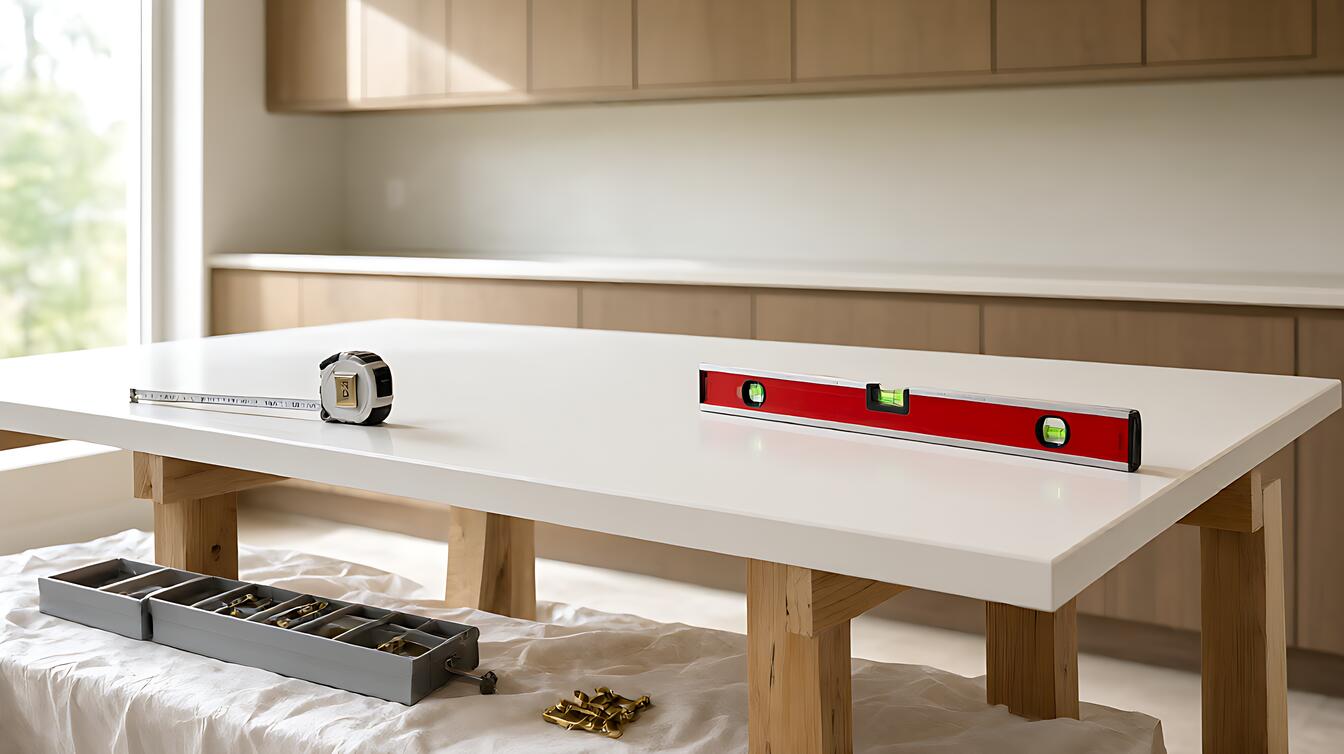
Not checking subfloor flatness. A straightedge and a level cost under $30 at most hardware stores (prices vary by region and retailer). A failed floor costs thousands. Measure before you order material, not after.
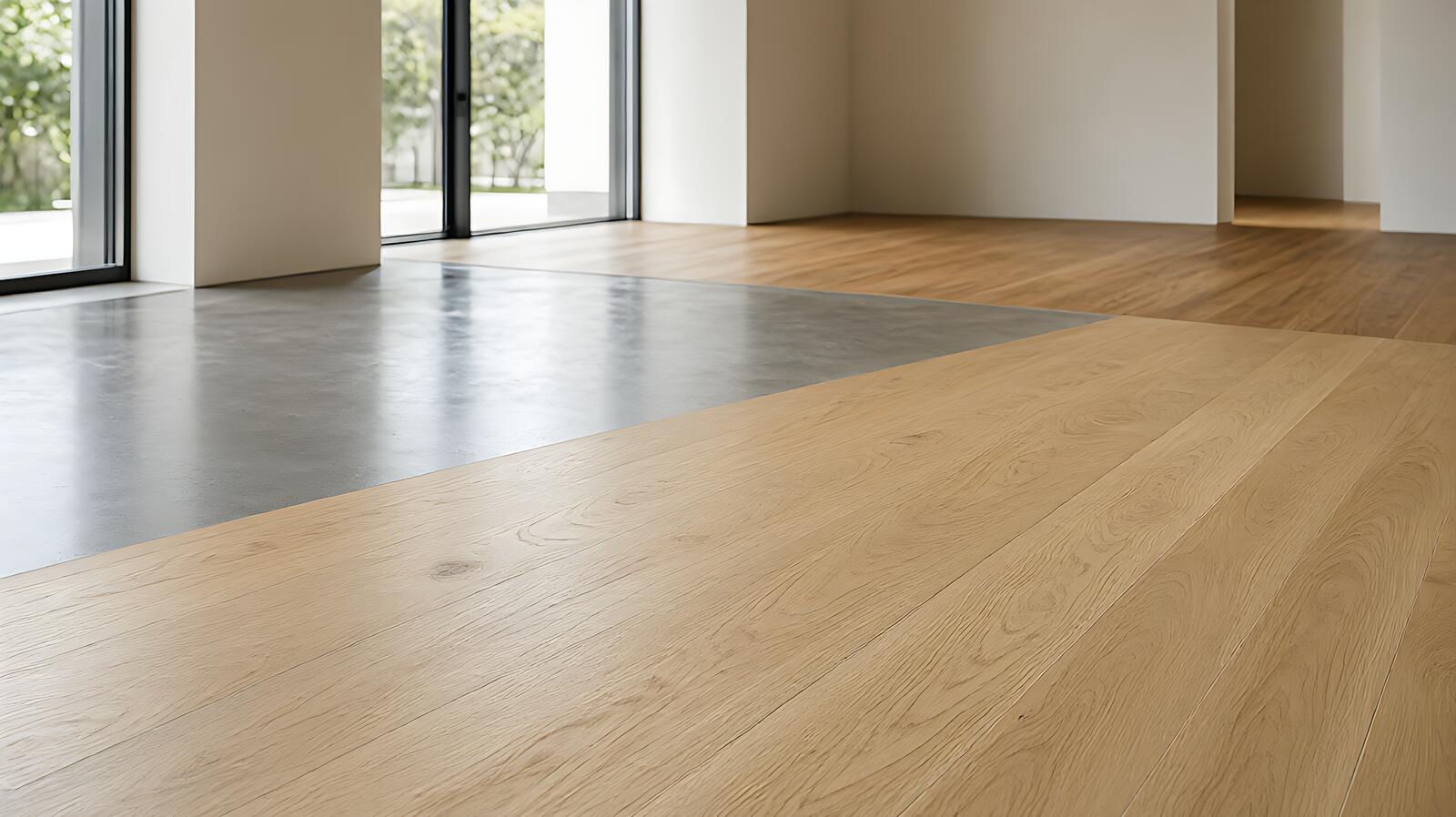
Forgetting about transitions. Where the new floor meets tile, carpet, or a different height, you need a transition strip. Plan these before ordering. A gap in a doorway looks unfinished and collects dirt.
If you are unsure about moisture, subfloor condition, or radiant heat compatibility, hire a flooring contractor for an assessment before you buy. The fee is small compared to replacing a floor that failed because the substrate was wrong.
For pricing detail, see flooring installation cost per square foot. For ongoing care, see flooring maintenance and repair. For the repair-or-replace decision, see flooring system replace vs repair.