
An energy audit turns a vague complaint about a cold house into a ranked list of fixes with dollar savings attached. It is the cheapest insurance against spending $10,000 on the wrong upgrade, and it is the document every contractor quote and utility rebate should reference.
Home Energy Efficiency Audit and Upgrades: What the Process Covers
A home energy efficiency audit is a structured assessment of how your house uses and loses energy. A certified auditor inspects the building envelope, mechanical systems, and ventilation, then runs diagnostic tests. The deliverable is a report ranking fixes by savings per dollar, not a sales pitch for a single product.
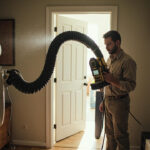
The most important test is the blower door test, which pressurizes the house to measure air leakage in air changes per hour (ACH). A leaky 1960s house can test at 8 to 12 ACH. A tight new build sits near 3. The practical target for most climates is 5 ACH or less.
The auditor also uses an infrared camera to find missing insulation and thermal bridges, checks duct leakage with a duct blower, and measures combustion safety. HERS scoring (Home Energy Rating System, 0 to 150) summarizes the result: 100 is a typical existing home, 85 is an average new code-built home, 0 is zero energy.
The score is a comparison tool, not a grade. What matters is the ranked fix list with estimated cost and annual savings for each item.
What the Auditor Actually Checks
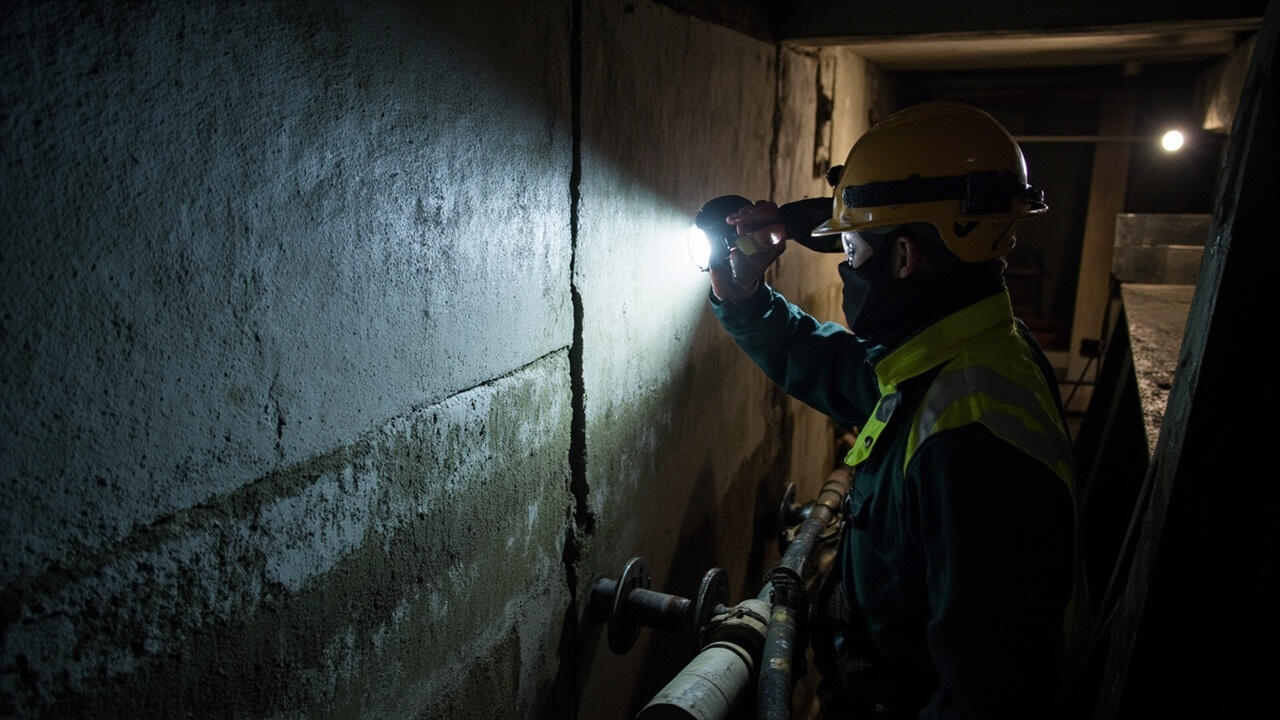
The audit covers five systems. The building envelope: walls, attic, basement, windows, and doors, checking insulation levels against code and local climate. The HVAC system: furnace or heat pump age, efficiency rating, duct condition, and sizing. The water heating: tank or tankless efficiency and standby losses. Ventilation and moisture: bath fans, range hoods, and whole-house ventilation. And plug loads and lighting: phantom loads and inefficient bulbs.
Each system gets a condition rating and a recommended action. The report then sorts actions by savings per dollar, so the cheapest high-impact fixes rise to the top. That ranking is the whole point of paying for an audit instead of guessing.
The report also flags safety issues such as backdrafting combustion appliances, missing smoke and CO detectors, and electrical hazards found during the walk-through. These are not energy measures, but they are the most valuable lines in the report, and they are the reason to hire a certified auditor rather than a salesperson.
Audits cost $200 to $700 for a full assessment. Some utilities cover the cost or rebate it. Many states also offer free or low-cost audits through weatherization programs for income-qualified households.
From Audit Report to Upgrade Plan
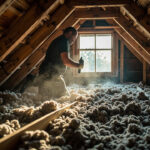
Take the report and split the fixes into two layers. Layer one is the low-cost, high-return work: air sealing, attic insulation top-ups, duct sealing, and smart thermostat programming. These run $2,000 to $6,000 total and deliver 20 to 35 percent savings on heating and cooling.
Layer two is the capital replacements: heat pump or furnace, water heater, windows, and solar. These run $4,000 to $30,000 and should come after layer one, because layer one shrinks the equipment size you need.
Two items belong in every plan. Utility rebates and tax credits can offset 20 to 40 percent of layer-two cost. The federal 25C credit covers 30 percent of qualifying improvements up to $1,200 per year, and up to $2,000 for heat pumps and heat pump water heaters, through 2032. Many utilities add $500 to $2,000 per measure.
Check your utility rebate database and the federal credit before signing a contract. The same job costs very different amounts depending on whether you claim them.
Common Audit Mistakes and How to Avoid Them
The biggest mistake is hiring a contractor who also sells equipment to do the audit. A conflict of interest pushes the report toward big-ticket items and away from cheap air sealing. Use an independent auditor or a utility-sponsored program.
The second mistake is ignoring ventilation. Air sealing without controlled ventilation can raise indoor humidity and create mold risk in tight houses. Any air-sealing package over $1,000 should include a ventilation plan: a bath fan on a timer, an HRV or ERV in cold climates, or at minimum a fresh-air intake.
The third mistake is skipping the comfort and moisture discussion. Comfort problems are the most common reason homeowners regret an upgrade, and they are hardest to fix after the fact. Ask the auditor to walk through the house with you and point out drafts, cold spots, and moisture stains.
For electrical, gas, or structural work an upgrade may require, such as a panel upgrade for a heat pump, consult a licensed professional and pull permits. Code requirements vary by jurisdiction.
What to Do After the Audit
Sort the fixes by savings per dollar and do layer one first. Get two or three contractor quotes that reference the audit, not generic proposals, and ask each to size equipment to the post-improvement load.
If you are deciding between a heat pump and a high-efficiency furnace, the decision usually comes down to climate and fuel price. In cold climates with cheap natural gas, a 96 percent furnace can win on operating cost. In moderate climates with rising electricity rates and available rebates, a cold-climate heat pump often wins on total cost of ownership.
Run the numbers for your zip code using the NREL or utility calculator rather than relying on a single sales pitch. For the budget side of the same decision, see home energy efficiency upgrade cost. For a comparison of the major upgrade paths side by side, see how to choose home energy efficiency.
Either way, the audit is the document that keeps the budget honest, and it is the cheapest insurance against spending $10,000 on the wrong fix.