House Siding Replace vs Repair: Costs and Choice

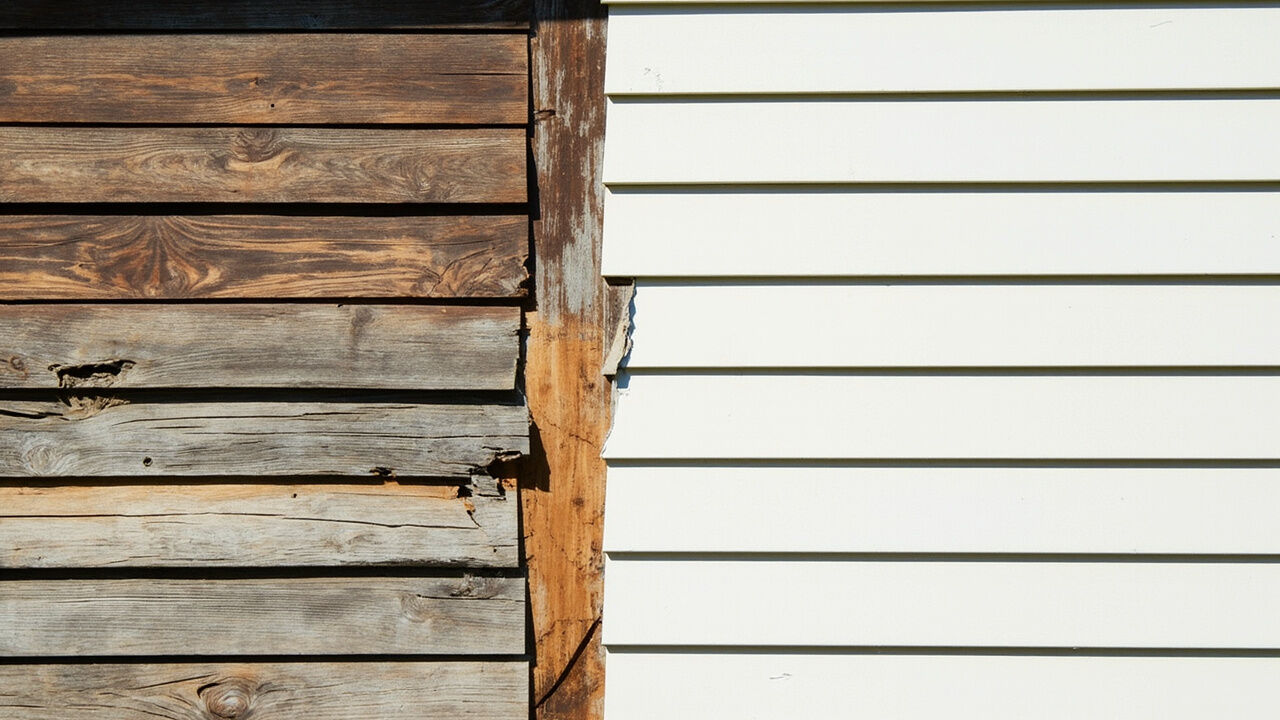
House siding and exterior replace vs repair is a decision that hinges on damage extent, material age, and hidden moisture. If more than a quarter of the wall shows rot, buckling, or failed flashing, replacement usually wins; isolated cracked panels or loose trim can be repaired for a fraction of the cost. Before deciding, walk the walls and probe for soft spots, then weigh labor against the remaining lifespan of the existing cladding. For a baseline on materials, this overview of types of house siding and exterior helps you judge what you have. In short, repair buys time, replacement resets the clock.

contractor inspecting damaged <strong><strong><strong>house siding</strong></strong></strong> panels before replace or repair decision” style=”width:100%;height:auto”></p>
<h2>Should I Replace Or Repair House Siding And Exterior: What It Actually Takes</h2>
<p>House siding replacement means removing old cladding and installing new panels, while repair means patching or replacing discrete sections; the right call depends on how far moisture and decay have spread behind the face.</p>
<p>Start with the <strong>ten percent rule</strong> of thumb. If damaged area stays under roughly ten percent of a wall and the sheathing behind it is dry and sound, repair is sensible. Once damage climbs past a quarter of the wall, or the same spots fail again after prior fixes, replacement stops the cycle. A <strong>structural assessment</strong> of sheathing and framing is the real decider, because panels hide the truth until they come off.</p>
<p>Age matters as much as area. Vinyl installed in the 1990s may still be fine, but its color is discontinued, so a patched panel sticks out. Wood that has reached its paint cycle end is cheaper to replace than to strip and refinish. Fiber cement that has cracked from impact can be swapped panel by panel if the rest of the wall is sound. The <strong>remaining service life</strong> of the existing cladding should drive the math.</p>
<p>Hidden moisture is the silent budget killer. A leak that looks like one rotted board often reveals soaked sheathing two studs wide once opened. That is why an honest contractor quotes an allowance for substrate repair rather than a fixed price. If you suspect widespread wetting, replacement with new weather barrier is the safer path.</p>
<h2>How Should I Replace Or Repair House Siding And Exterior Works Step by Step</h2>
<p>The decision process works best when you separate symptoms from causes, inspecting in a set order so you do not confuse cosmetic wear with structural failure.</p>
<p>Walk the house on a dry day with a screwdriver and a camera. Probe bottom courses, areas under windows, and spots below roof lines where kickout flashing should exist. Look for buckling, waviness, peeling paint, and staining. Then open one suspect area to check sheathing moisture with a pin meter. This <strong>diagnostic sequence</strong> prevents paying for a full re clad when a $300 flashing fix would do.</p>
<p>Compare the two paths in dollars and disruption. A typical repair runs $500 to $2,500 for a few panels and trim, while a full replacement on a 2,000 sq ft (186 sq m) home runs $8,000 to $25,000 depending on material. Factor in scaffolding, disposal, and the fact that a new wall comes with a fresh warranty. The <strong>cost comparison</strong> only becomes clear when both quotes are itemized the same way.</p><div id=

Timing also changes the answer. If you plan to sell within five years, a targeted repair plus paint often recovers better than a premium new cladding. If you plan to stay, replacement with a durable material pays back in fewer callbacks. Match the fix to your horizon, not to a sales pitch.

Should I Replace Or Repair House Siding And Exterior Costs and Common Mistakes

Repair tempts owners with low upfront cost, but repeated patching of a failing wall often exceeds one replacement, especially once labor and paint are counted.

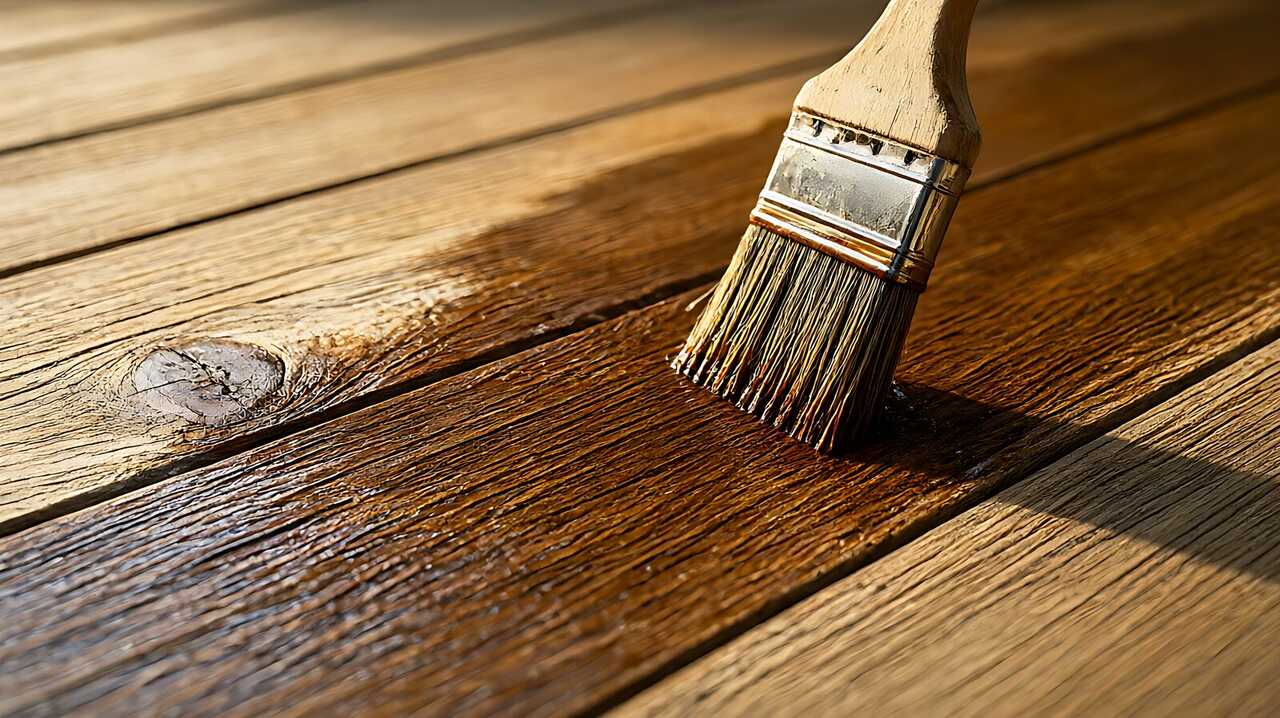
The classic mistake is painting over soft wood. Paint seals moisture in and accelerates rot, turning a $400 board replacement into a $4,000 sheathing repair two seasons later. Another is face nailing new panels over old, which traps water and voids manufacturer warranties. A third is ignoring flashing while chasing panel damage; the panel is the symptom, the flashing is the disease. Each of these traces back to misdiagnosed moisture.

When repair is right, do it fully. Remove the damaged panel, inspect the barrier, replace any wet sheathing, flash the opening, and reinstall with correct fastening and expansion gaps. Half measures save a Saturday and cost a wall. The proper repair sequence is slower but permanent.

When replacement is right, upgrade the assembly, not just the face. Add a drainage plane, proper flashing at every penetration, and starter strips at correct height. This is the moment to fix the root causes that doomed the old wall. For cost planning across materials, see roofing cost per square helps you budget that order. Windows and exterior doors should land before or with siding so their flanges integrate with the drainage plane. Siding last is usually siding right.

Collect three itemized quotes that name the panel, the barrier, and the flashing details. Compare allowances, warranty terms, and who handles sheathing repair. The final decision should rest on who will stand behind the water management, not who offered the lowest bottom line. For ongoing care after the fix, review siding maintenance and repair, and if you are choosing materials, compare vinyl siding cost and durability.

Share your love
SEO Skala8
SEO Skala8