
The roof replacement vs repair question comes up once for most homeowners, and it usually arrives the same way. Your roofer tells you that one section is shot and the rest has ten good years left, and you have to decide whether to fix or reset.
The right call is based on three things: how old the roof is, how much of it is failing, and what the next five years look like for the house. A repair is a fix; a replacement is a reset.

Start With Age, Not Damage
The first question in the roof replacement vs repair decision is almost always the age of the existing roof. That tells you how much useful life is left in the field as a whole.
An asphalt shingle roof rated for 25 to 30 years behaves differently at year 8 than at year 22. At year 8, the field is mostly healthy and a repair makes sense. At year 22, the field is at the end of its life and repairs are temporary.
A metal roof rated for 50 plus years follows the same pattern but stretched out. A repair at year 25 on a metal roof is much more likely to be the right call than the same repair on a 22-year-old asphalt roof.
If you do not know the age of your roof, the building permit, the home inspection report from purchase, and the homeowner’s insurance declarations page are the three places to look.
For more on rated lifespan by material, our roof shingle lifespan and warranty guide has the full chart by manufacturer and product line.
Match the Repair Scope to the Damage Pattern
Once you know the age, the next question is how much of the roof is failing. Localized damage favors repair; widespread damage favors replacement.
Repair when the problem is a single point of failure: one pipe boot, one chimney flashing, one valley where debris backed up. These fixes cost $300 to $1,500 and add years to a sound roof.
Repair when the damage is wind or storm driven and the rest of the field is in good shape. Insurance usually covers isolated storm damage, and replacing the whole roof to fix a patch is overspending.
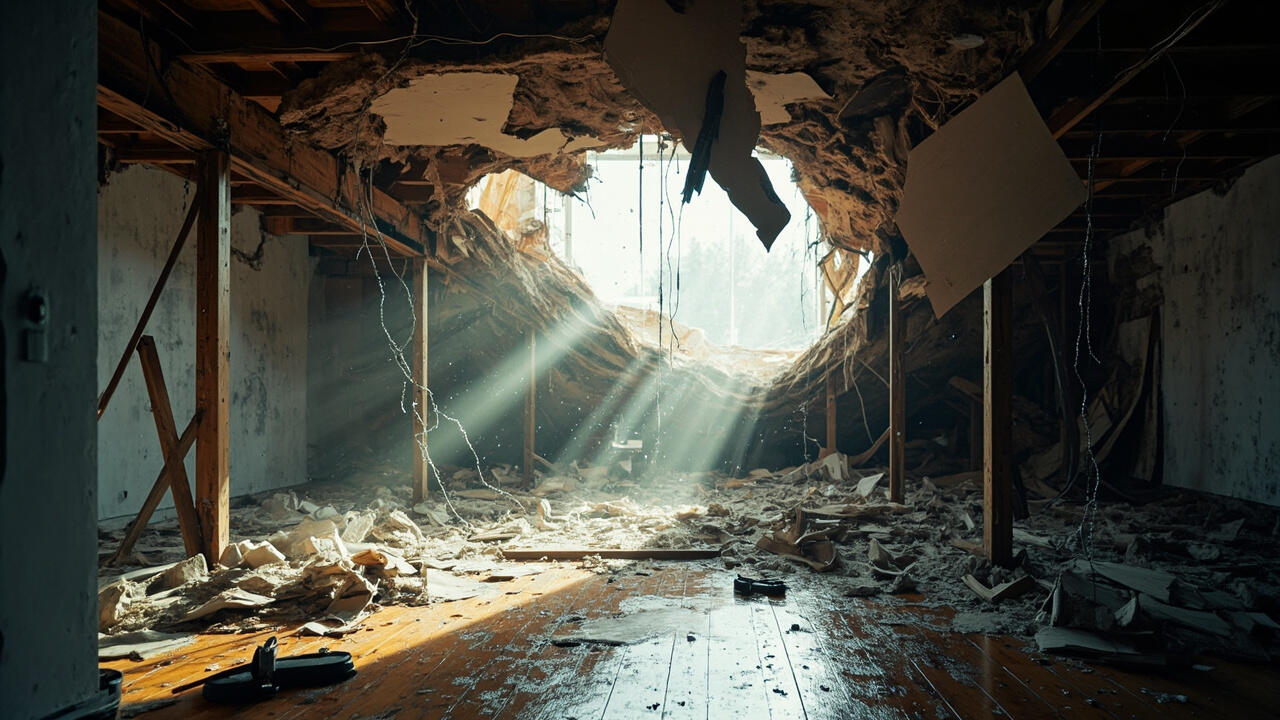
Replace when the damage is systemic: granules coming off across multiple slopes, shingles curling in the sun, soft spots in the deck that span more than a few square feet.
Patching a roof that wants to fail just delays the project and the cost. The leak you fix this year comes back next year in a different spot, and you end up paying twice.
Replace when the roof is at the code limit. If your home already has two layers of shingles, most jurisdictions require a tear-off before any new roofing goes on.
The choice is not between repair and replacement at that point; it is between replacement now and replacement soon. Use our roof replacement permit and code requirements page to check what your local office allows.
Money Math: What Each Path Costs You
The clearest way to settle the roof replacement vs repair question is to put numbers on both options and look at what you actually pay over the next five years.
| Scenario | Repair cost today | Replacement cost today | Likely next project |
|---|---|---|---|
| 8-year-old roof, one valley leak | $400 to $1,500 | $10,000 to $18,000 | Replacement at year 22 to 25 |
| 15-year-old roof, two slopes curling | $2,000 to $4,000 | $10,000 to $18,000 | Replacement at year 20 to 22 |
| 22-year-old roof, multiple leaks | $3,000 to $6,000 | $10,000 to $18,000 | Replacement within 2 years |
| 25-year-old roof, storm damage | Often insurance-covered | Insurance often prefers full replacement | Done for 25 years |
For deeper per-square-foot numbers by material and region, our roof replacement cost guide has the full breakdown.
The pattern is clear. The closer the roof is to the end of its rated life, the less sense a repair makes. Money spent on repairs in year 22 is usually money you spend again in year 24, plus the cost of the inevitable replacement in between.
When the Answer Is Neither: Other Paths Worth Knowing
Roof replacement vs repair is usually a binary, but there are two more options worth knowing about. One is a recover, sometimes called an overlay. The other is a maintenance plan.
A recover is a second layer of shingles installed over the first. It costs less than a full tear-off but only works when the existing layer is in good shape and the code allows one more layer.
For most homeowners, a recover is a transitional option, not a long-term one. The doubled weight on the roof deck is real, and the next replacement will cost more because two layers must come off.
A maintenance plan is a service contract where a roofer inspects annually, swaps worn pipe boots, reseals flashing, and clears debris from valleys.
For a roof with five to ten years left, a $300 to $500 annual plan extends life and catches small leaks before they stain the ceiling. For a roof with two years left, it just delays the inevitable.
Neither of these is right for every roof. They make sense when the field is sound and only specific details need attention. For the symptom side, our signs you need a new roof guide walks through how to tell which camp you are in.
For a deeper look at how the project itself runs, our roof replacement process step by step page has every phase from quote to final walkthrough.
How to Make the Call This Week
If you are staring at an estimate and trying to decide, here is the practical decision tree. It is the same one most good roofers walk through with their customers, in plain language.
- Confirm the roof age and the rated lifespan of the current material.
- Count the slopes that show damage. If it is one slope, lean toward repair. If it is two or more, lean toward replacement.
- Check the deck for soft spots from the attic with a flashlight.
- Get two bids for the repair and one for the full replacement, written on the same scope.
- Compare the cost over five years, not just today.
- Check whether the cause is covered by insurance. Our storm damage roof insurance claim page covers what adjusters look for.
- Confirm the permit and code path with your local building department.
- Decide whether you have time to plan or need to act this month.
If the answer is replacement, our roof replacement pillar has the full project walkthrough. For the cost side, our roof replacement cost guide has the regional breakdown.
If the answer is repair, our how to replace roof shingles guide and our roof leak and damage diagnosis page help you decide whether to DIY or hire out.
For the contractor choice either way, our how to choose a roofing contractor checklist is built for this exact moment.
If the timing on payment is the deciding factor, our financing a new roof options page breaks down home equity, contractor programs, and FHA Title I loans so the monthly cost is predictable.
For prep around the house if you do replace, our how to prepare your house for roof replacement page covers what to move and what to cover during the loud days.
The roof replacement vs repair decision gets easier once you separate the age, the scope, and the time horizon. The right answer is the one that fits the next five years of weather and the next five years of plans for the house.