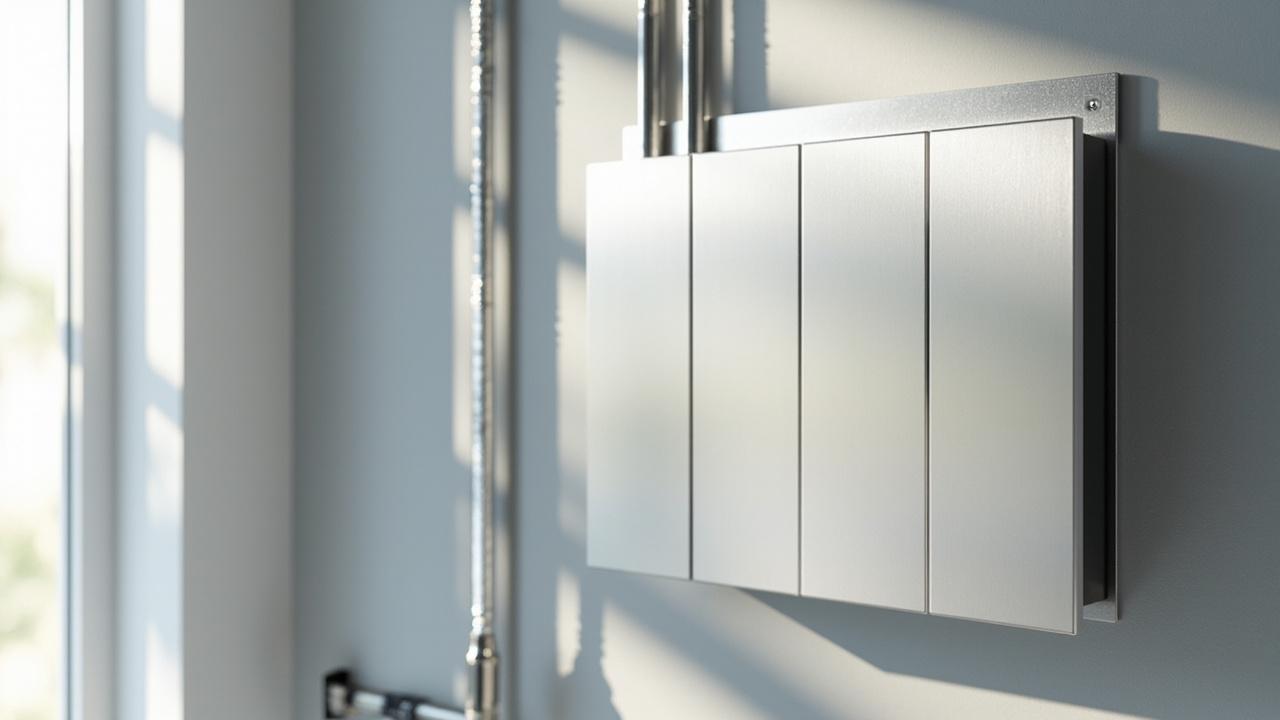

Your home’s electrical system isn’t just the panel in the basement or the outlets in the walls. It’s one connected path. Power arrives at the main breaker panel, splits into branch circuits sized for different loads, and travels through wire gauge 14-12-10 AWG protected by GFCI or AFCI breakers.
When one part is under-sized, outdated, or improperly connected, the whole system becomes less safe and less capable. Here’s how it all fits together.
What a Home Electrical System Actually Is
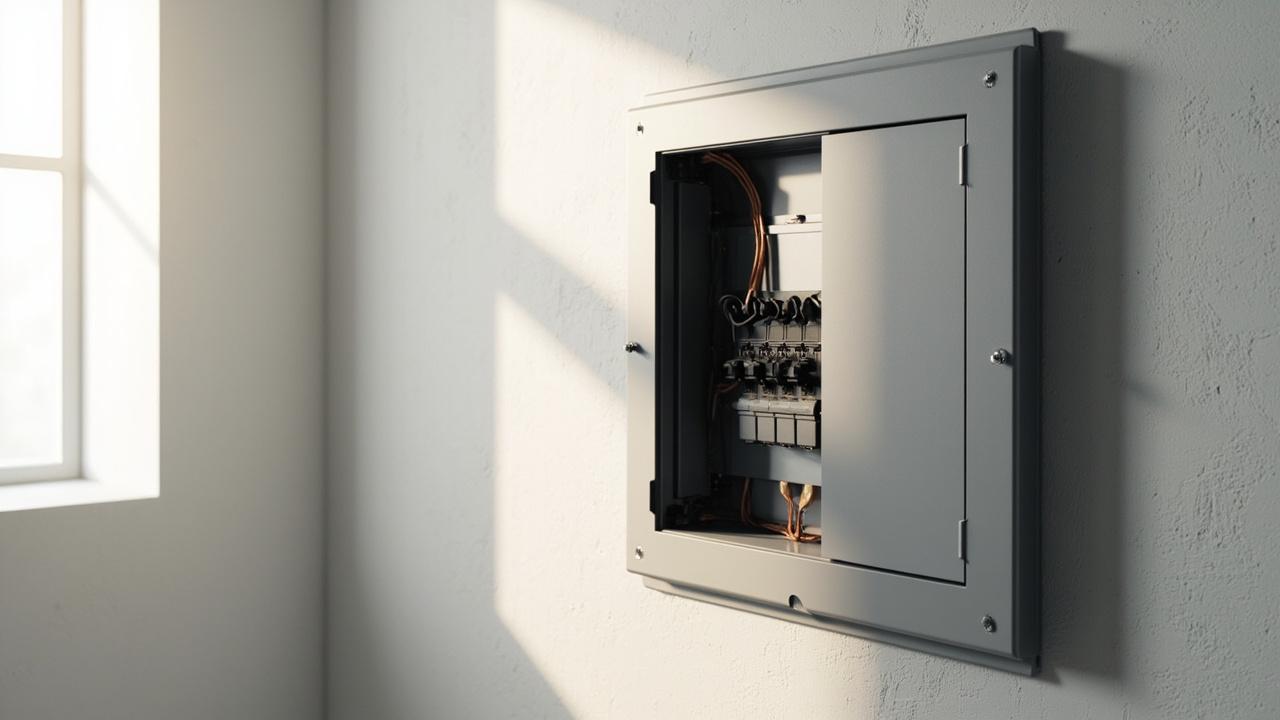
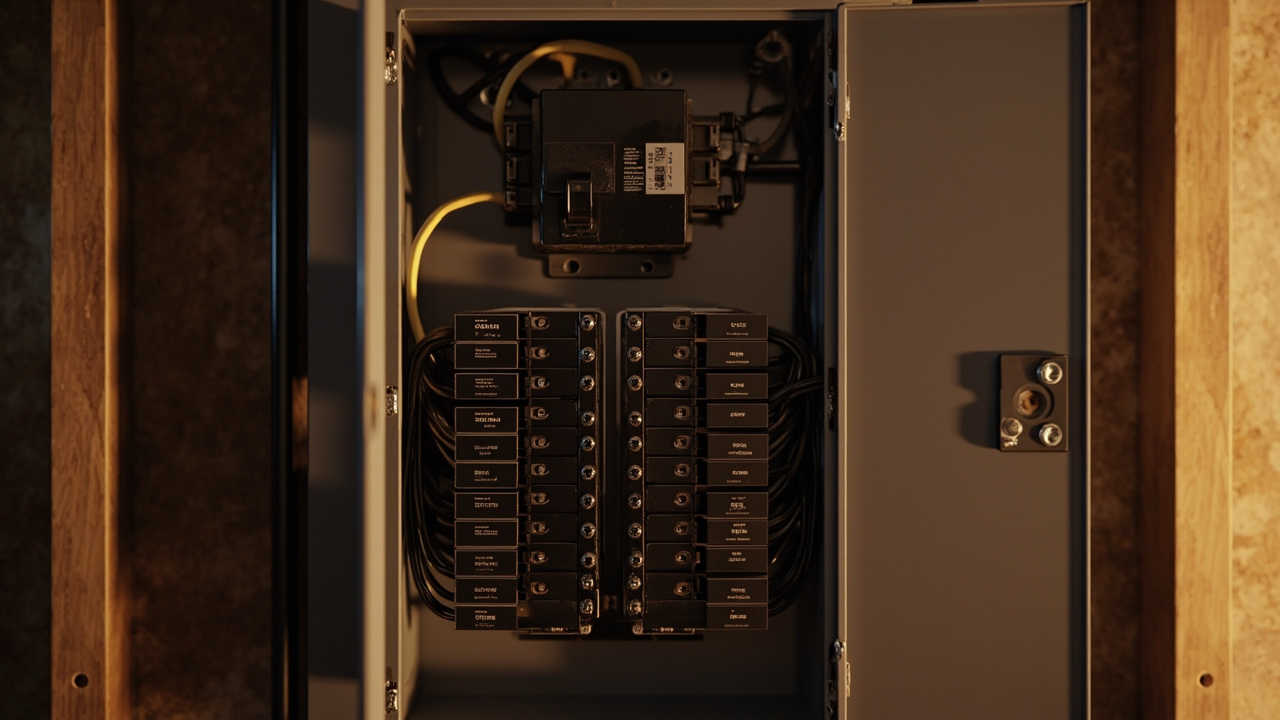
A residential electrical system is the service entrance, main panel, branch circuits, and protection devices working as one. Power from the utility enters through the service entrance cable and lands at the main breaker panel, the hub where it splits into individual circuits. Each circuit serves specific rooms or equipment, protected by a breaker matched to the wire size behind it.
The main breaker at the top of your panel controls all power to the house. Below it, individual branch breakers each protect one circuit, typically 15 or 20 amps for general lighting and outlets, 30 amps or more for large appliances. A 200-amp panel is standard in most new homes; older houses may still have 100-amp service.
The grounding electrode system provides a safe path for fault current. Without proper grounding, a short circuit can energize metal parts of appliances or fixtures, something you’d only discover the dangerous way.
How Capacity and Circuits Work Together
Panel capacity determines how much total power your home can use at once. A 100-amp panel works fine for a small home with gas heat and no EV charger. But add central air, an electric range, a workshop, and a car charging in the garage, and 100 amps starts tripping the main breaker at dinner time.
A load calculation is how an electrician determines what you actually need. It adds up the square footage, major appliances, and likely simultaneous use, not just the sum of all breaker handles. A 1,800-square-foot home with electric heat and a 50-amp EV charger usually needs 200 amps. A similar home with gas heat and no EV often runs fine on 125 or 150.
Circuit count matters as much as total amperage. A 200-amp panel with 20 spaces feels different from a 200-amp panel with 42 spaces. Kitchens need at least two 20-amp small-appliance circuits. Bathrooms need a dedicated 20-amp circuit. Laundry room, garage, and outdoor outlets each have their own requirements under the NEC (National Electrical Code).
The NEC update cycle matters here. NEC 2020, adopted in many jurisdictions by 2023-2024, requires more circuits and more protection than NEC 2014 did. If your home was wired to an older code cycle, adding circuits may trigger current-code requirements, something to discuss with your electrician before scoping the work.
Wire, Breakers, and Why They Must Match
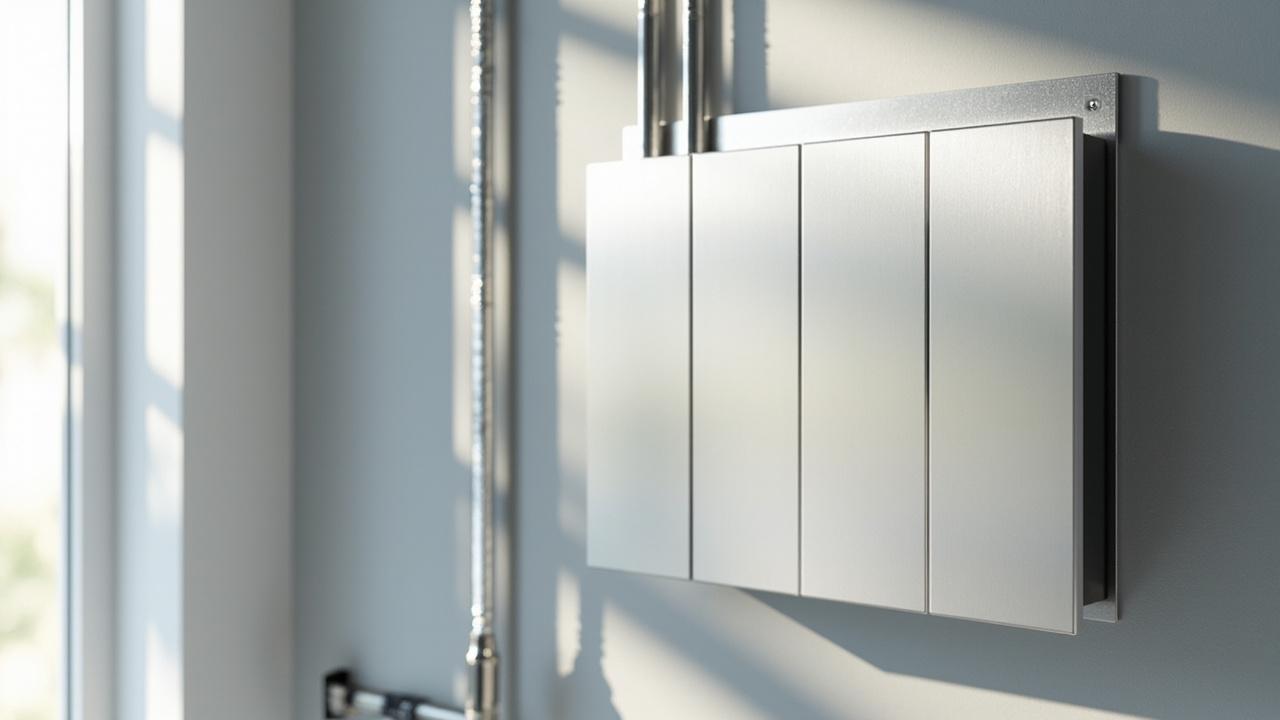
Wire gauge and breaker rating are a matched pair, not independent choices. 14-gauge wire is rated for 15 amps. 12-gauge wire handles 20 amps. 10-gauge wire carries 30 amps. Putting a 20-amp breaker on 14-gauge wire lets the wire overheat before the breaker trips, a fire risk the NEC exists to prevent.
In older homes, especially those built before 1980, you may find aluminum branch wiring instead of copper. Aluminum expands and contracts more than copper with heat, which can loosen connections over time. It’s not inherently dangerous, but it requires specific connectors rated for aluminum (CO/ALR devices or Alumiconn connectors) and regular inspection.
Wire insulation type also matters. Most modern residential wiring uses NM-B (Romex), a flexible sheathed cable suitable for dry, indoor locations. In wet locations, conduit or cable rated for wet use is required. Running standard NM-B through an outdoor conduit or in a damp basement violates code and risks deterioration.
One connection to watch: the neutral and ground must be separated at all points after the main panel. In a subpanel, the neutral bus and ground bus are isolated from each other. Bonding them downstream of the main panel creates a parallel path for current, a shock hazard that can energize equipment enclosures.
Protection Types and Where They Are Required
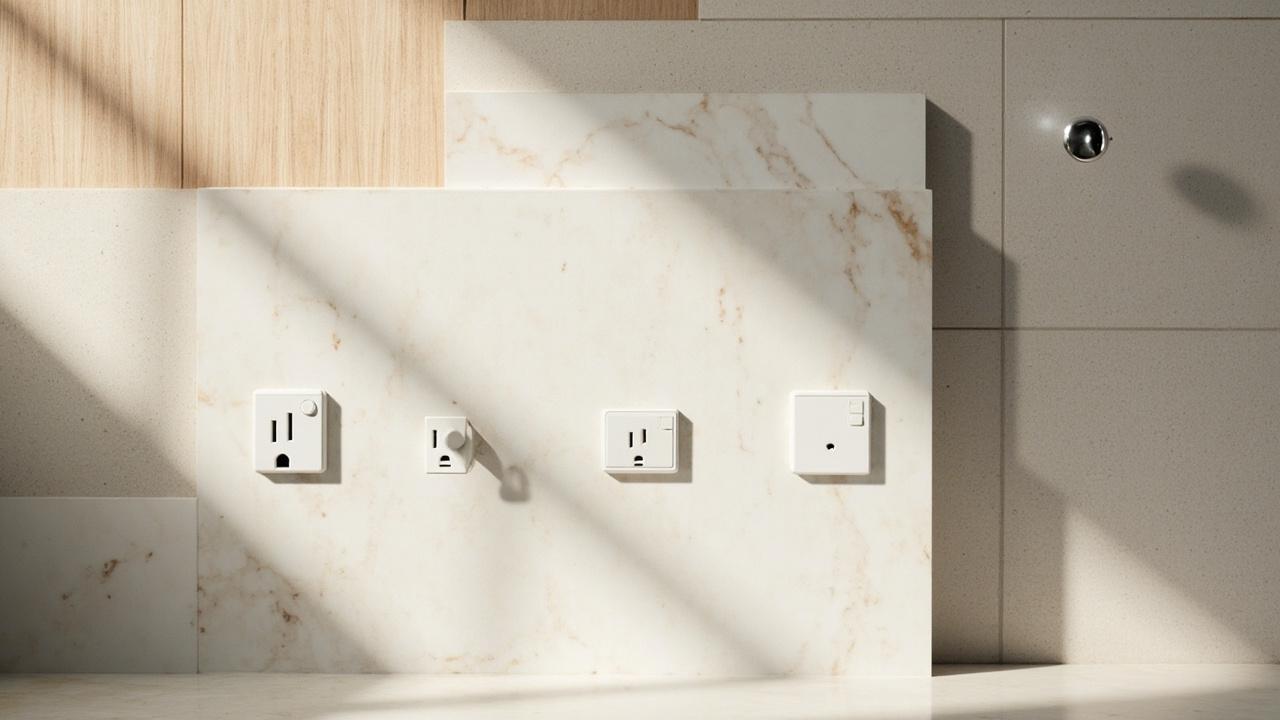
GFCI (Ground Fault Circuit Interrupter) protection detects current leaking to ground, the kind of leakage that can flow through a person. The NEC requires GFCI in bathrooms, kitchens, garages, outdoors, crawl spaces, basements, and within 6 feet of a sink. A GFCI receptacle or GFCI breaker can provide this protection.
AFCI (Arc Fault Circuit Interrupter) protection detects dangerous arcing, the kind that happens when a cord is damaged or a connection loosens. Since NEC 2014, AFCI has been required in most living areas: bedrooms, living rooms, dining rooms, hallways. Some jurisdictions still on NEC 2014 have narrower AFCI scope than those on NEC 2020.
Dual-function AFCI/GFCI breakers combine both protections in one device. They cost more than single-function breakers, but in areas where both are required (kitchens under NEC 2020, for example), one dual-function breaker is simpler than trying to install both separately.
Your electrician can confirm what your jurisdiction requires. Whole-house surge protection installed at the main panel protects electronics from utility-side surges: lightning, grid switching, transformer issues. It’s not required by code in most areas, but for $200-$400 in parts plus installation, it covers everything plugged into the house.
When a System Needs Upgrading and Next Steps
An upgrade isn’t always necessary just because a system is old. Some honest signals that it’s time: you have a Zinsco, Federal Pacific (Stab-Lok), or Pushmatic panel, these have documented failure modes and limited replacement parts. Breakers trip under normal, not excessive, load. The panel is full and you need more circuits.
You’re planning a major addition, an EV charger, or electric heat. If your panel is 100 amps and you’re adding more than one major appliance, a 100- to 200-amp upgrade is usually the right call. That typically runs $1,500-$4,500 depending on whether the service entrance cable needs upgrading, whether the grounding electrode system meets current code, and whether your utility charges for disconnect/reconnect.
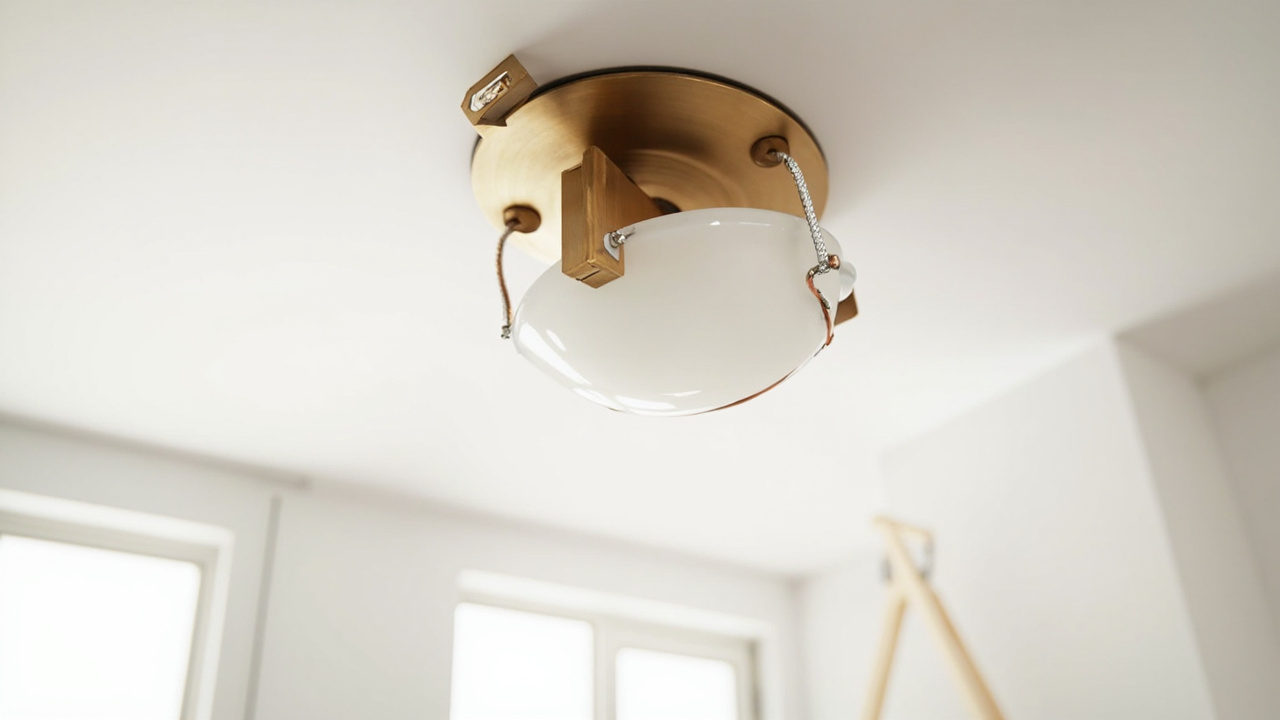
For a more detailed breakdown of those cost drivers, see our electrical panel upgrade cost guide. If you’re just adding one circuit or replacing a fixture, you may not need a full panel upgrade. Our light fixture installation guide walks through the safety steps and common traps.
Before committing to an upgrade, ask your electrician to perform a load calculation, not just count breaker handles. Ask whether the service entrance cable needs upgrading, whether the permit fee is included, and whether the grounding system meets current NEC. A quote that doesn’t address these items is incomplete, even if the number looks attractive.