
A home safety code inspection costs between $150 and $500 for most single-family houses, and that number hides three separate bills inside it. The inspection fee is only the part you plan for. The permit fee your jurisdiction charges and the repair cost of whatever the inspector flags can each run higher than the visit itself.
That distinction matters because the phrase describes at least four different purchases. A private safety inspector walking your house is one thing. A municipal code compliance visit triggered by a permit is another. An electrical inspection from a licensed electrician is a third, and it can carry a repair obligation that the other two never will.
This guide sorts out who can inspect, what each one actually costs, and which one your situation needs. It also covers the part most cost articles skip: what a finding costs to put right, which is usually the real number you are trying to budget for.
What a home safety code inspection actually costs
Start with the private home safety inspection, which is what most people mean when they search for the cost. Independent inspectors and safety companies typically charge $150 to $400 for a standard single-family visit, with the fee covering a visual walk-through of life-safety systems and a written report.
A full code compliance evaluation by a certified code consultant sits higher, usually $300 to $600.
The gap between those two tiers is the gap between a walk-through and an audit. A walk-through tells you the smoke alarm is missing in the hallway. An audit tells you the alarm needs to be interconnected, and that your local code edition does not accept the product you bought.
You can also be quoted for add-on services. Infrared thermography adds roughly $150 to $350 and finds hidden moisture or missing insulation. Radon testing runs $150 to $250.
These are not code inspections, but inspectors frequently bundle them, so ask whether each line item is a regulatory requirement or a recommendation.
One more quote shape to expect: hourly billing. Some inspectors charge $100 to $200 per hour with a two-hour minimum instead of a flat fee, which works out fine for a routine house but gets expensive the moment the inspector wants to pull permit records or test a service.
Who can perform the inspection, and what they can do about it
This is the part that determines whether your $300 buys information or an obligation. A private inspector has no authority over your property. They report findings, and you decide what happens next. A municipal or county code official has authority, but only inside a permit or complaint process.
Your local authority having jurisdiction is the department that enforces the adopted codes, and it inspects work that requires a permit. That inspection is a condition of the permit, not a standalone service you can buy.
- Private safety inspector walks the house and writes a report. Fees usually run $150 to $400.
- Code compliance evaluation by a certified consultant runs $300 to $600 and cites specific code sections.
- Licensed electrician safety inspection runs $100 to $300 and can quote repairs on site.
- 4-point insurance inspection runs $75 to $175 and checks wind, hail, roof, and drainage only.
Many jurisdictions charge per trade rather than per visit, so a kitchen needing electrical, plumbing, and mechanical sign-off can carry three separate fees. That is the hidden multiplier in a municipal bill, and it is worth asking about before the work starts.
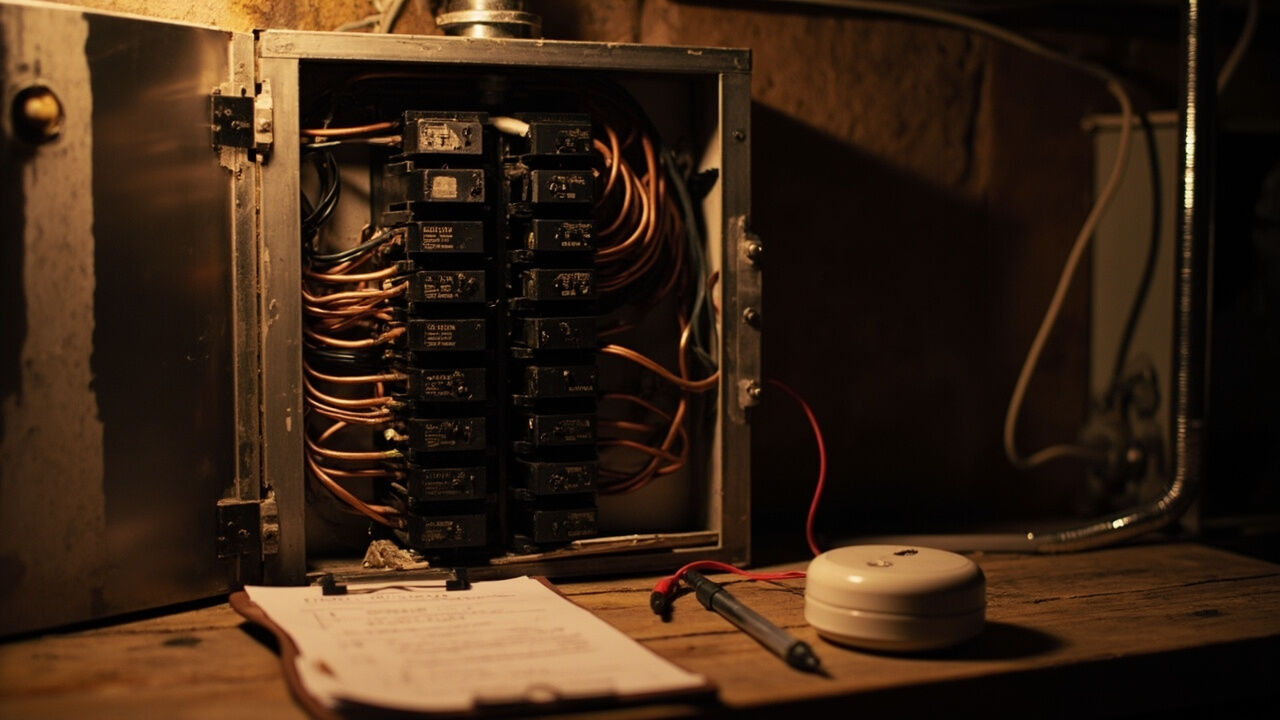
An electrical safety inspection by a licensed electrician sits in between. It commonly runs $100 to $300, and the electrician can quote the repair on the spot, which is the appeal for anyone selling electrical work.
The catch is that most jurisdictions will not accept a private electrical inspection as the official sign-off on permitted work. That sign-off has to come from the inspector assigned to the permit, which is a scheduling problem you solve by calling the department.
What drives the price up on older houses
The single biggest cost variable is not size. It is age, because older houses present more systems the inspector cannot verify at a glance. A knob-and-tube wiring home, a Federal Pacific or Zinsco panel, or a service with no grounding will move a quote several hundred dollars on its own.
Each one turns a visual check into a deeper evaluation. Other factors push the fee up too, and they are more predictable. Square footage above about 2,000 sq ft adds time. More bedrooms and bathrooms mean more smoke alarm and GFCI locations to verify.
A detached structure such as a garage, ADU, or workshop may be treated as a second building to inspect. Multiple panels and subpanels each add a review.
Local amendments matter here. If your jurisdiction amends the base code, the inspector checks against that version, not the model code everyone assumes applies.
Then there is paperwork. Pulling permit history from the building department is often a separate charge.
It is worth paying for. An inspector who can see what was permitted and when can tell you whether a finished basement bedroom was approved as living space, which changes the egress and smoke alarm rules that apply to it.
Age also affects what a finding will cost to fix, which is the number that should drive your planning.
A missing bathroom GFCI in a 1970s house is a $130 to $300 fix in metal-clad cable. The same missing device in a 1920s house can be a $1,200 conversation, because there is no ground to protect.
Two extra costs show up on homes with additions. A bedroom or bathroom that was added without a permit may need permitting and inspection as retroactive work, which means opening walls to verify what is behind them. A basement conversion that was never approved as living space has the same problem, and inspectors treat it as a high-severity finding every time.
What the findings actually cost to repair
The inspection report is where the real budget appears. Two findings recur in almost every older-house report: unprotected GFCI receptacles and missing or disconnected smoke alarm interconnection. Both look alarming in a report and both are ordinary, priced jobs.
Typical repair ranges give you a working budget. A GFCI outlet replacement runs $130 to $300. Individual smoke or CO alarm installation runs $50 to $150 per unit, with interconnection adding a run of wiring between units.
An AFCI breaker for a bedroom circuit runs $150 to $200 for the device plus labor. Dryer vent cleaning and correction to meet the 14 ft maximum with no more than one elbow runs $150 to $300.
Two items sit in a different league, and this is where a homeowner gets surprised. Replacing a Zinsco or Federal Pacific panel runs $1,500 to $3,000, sometimes more in a house with knob-and-tube or aluminum branch wiring.
A full knob-and-tube rewiring is a $8,000 to $20,000 project. Neither is required because of the inspection. Both are required because the inspection found a condition your insurer or a buyer will not accept.
That distinction is worth sitting with. An inspection report does not create a code violation. It documents one, and it tells you which findings carry legal weight for resale, insurance, or a lender, and which are simply good practice. The per-room code requirements reference tells you what the code expects; this is about what the visit costs and what comes after.
Choosing which inspection to pay for
Match the purchase to the reason you are buying it, and nothing else. If you are preparing to list and want to know what will surprise a buyer’s inspector, hire a private inspector and budget $300 to $500.
If you have applied for a permit and cannot close it out without a sign-off, you have no choice to make. Contact the department that issued the permit and schedule the inspection they assign.
If a real estate transaction has made you suspect a specific problem, order that inspection instead of a general one. A home inspection typically runs $200 to $500 and covers structure, roof, and systems.
A pre-listing electrical safety inspection in the $100 to $300 range answers a narrower and more useful question. Paying for the general inspection and hoping it covers the wiring is how people end up with a report that raises the alarm without answering it.
Two questions settle most of the ambiguity, and you should ask both before any money moves. Ask what code edition and local amendments the inspector is working from, and ask whether the report is advisory or gets filed with anyone.
If you are in a jurisdiction where the distinction between a private report and an official sign-off matters, that difference should be in writing before you sign anything. The home safety codes guide walks through the adopted code families, and permit costs by state covers the fee side of the municipal process.
Your next step is small and specific: ask a local inspector for a written scope and a flat fee before you book, then keep the report with your home records. For anything involving panel work, wiring, or a legal compliance question, that conversation is worth more than any published range, because a licensed professional in your jurisdiction can quote your specific house accurately.