
Choosing the best home electrical system for your home depends on your loads, budget, future plans, and local code. There is no single right answer, but there are clear criteria that separate a good fit from an underpowered or overbuilt system. This guide walks through sizing, panel type, protection, and cost so you can make an informed decision.
Best Home Electrical System for Your Home: What It Actually Takes
The best system is one that safely handles today’s loads with room for tomorrow’s. For most homes, that means a 200 amp breaker panel with copper service, full GFCI and AFCI protection, and a properly sized grounding electrode system. Smaller homes may do well with 100 amps; larger homes with electric heat and EV charging may need 200 amps or more.
Start with a load calculation per NEC 220. Add square footage, appliance loads, and demand factors. Then add headroom for planned additions like an EV charger, heat pump, or workshop. A system sized for peak demand avoids nuisance tripping and overheating.
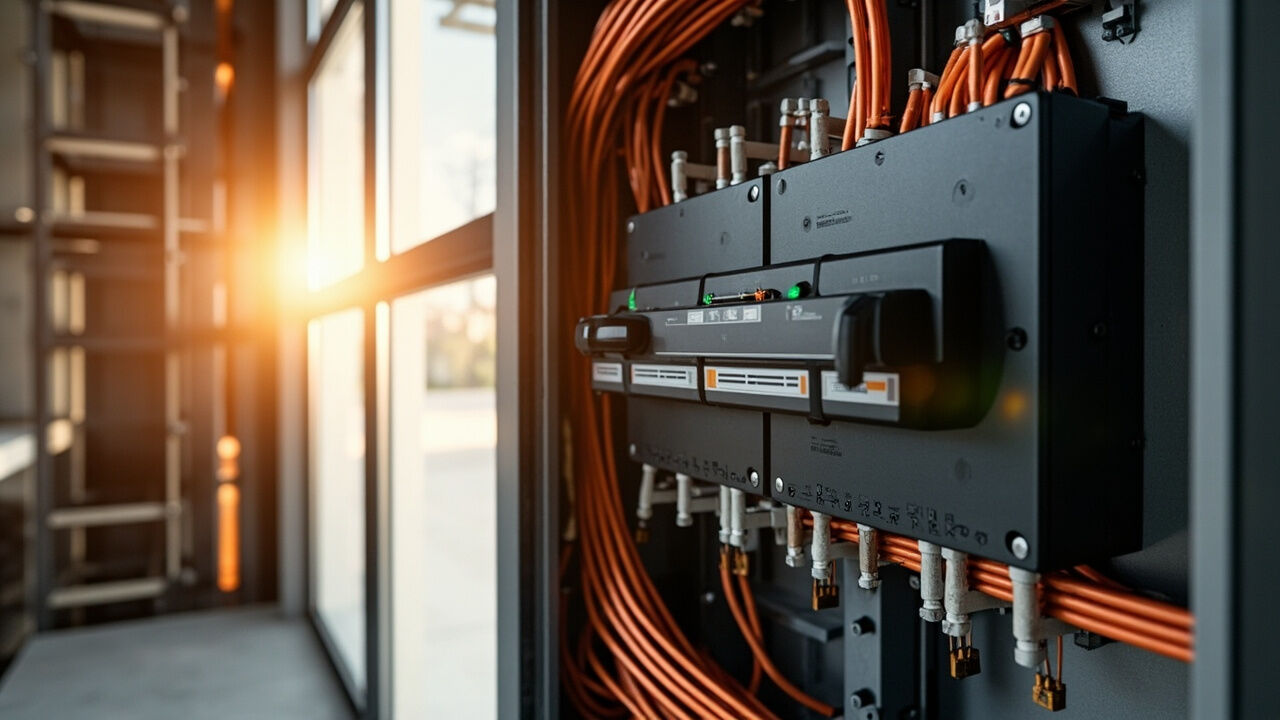
Panel brand and build quality matter. Choose panels from Square D, Eaton, or Siemens with copper bus bars. Avoid obsolete brands. A quality panel lasts decades and supports modern protection devices.
Service type affects reliability. Underground laterals resist weather damage but cost more to install. Overhead drops are cheaper but vulnerable to storms and trees. Match the service type to your site and budget.
Future flexibility is key. Select a panel with spare breaker slots and a main breaker that allows easy upgrades. A little extra capacity today prevents a second project later.
How Best Home Electrical System for Your Home Works Step by Step
First, assess current and future loads. List every appliance, HVAC unit, water heater, and planned addition. Convert to amps using nameplate ratings. This becomes the basis for sizing.
Second, choose panel size. 100 amps suits small homes with gas appliances. 200 amps suits most modern homes with electric appliances. 400 amps suits large homes or those with multiple EV chargers and heavy loads.
Third, select protection devices. GFCI/AFCI protection is required in most living areas. Dual-function breakers simplify installation. Whole-house surge protection adds another layer for sensitive electronics.
Fourth, plan grounding and bonding. A proper grounding electrode system, usually two ground rods, protects against faults. Bonding metal water and gas pipes reduces shock risk. Verify all connections during inspection.
Fifth, budget and schedule. Get three quotes, confirm permits, and plan for utility coordination. A typical 200 amp upgrade takes one to two days and may require a temporary power outage.
Best Home Electrical System for Your Home Costs and Common Mistakes
A 100 amp panel replacement costs 1,200 to 2,500 dollars. A 200 amp upgrade costs 1,500 to 4,000 dollars. Adding circuits costs 150 to 500 dollars each. Whole-house surge protection adds 200 to 500 dollars. These ranges vary by region and site conditions.
Common mistakes include undersizing for future loads, choosing the cheapest panel, and skipping whole-house surge protection. Undersizing leads to repeat upgrades. Cheap panels may lack quality bus bars. Skipping surge protection risks expensive electronics.
Another mistake is ignoring local amendments. Some jurisdictions require specific protection levels or panel types. Verify requirements before purchasing equipment to avoid rework.
DIY installation to save money is risky. Panel work involves live service conductors and requires permits. Improper work can cause fire, injury, or insurance denial. Hire a licensed electrician.
Failing to document the work is also common. Keep permits, inspection reports, and receipts. Good records support insurance claims, warranty service, and resale.
Where Best Home Electrical System for Your Home Goes Wrong
Systems go wrong when sized for today only. A panel that fits current loads may fail after adding an EV charger or heat pump. Plan for at least ten years of growth.
Overbuilding wastes money. A 400 amp service in a small home with gas appliances is unnecessary. Match capacity to realistic needs plus modest headroom.
Misplaced protection causes nuisance tripping. AFCI breakers on circuits with shared neutrals or damaged cables trip repeatedly. Troubleshoot wiring before blaming the breaker.
Ignoring grounding leads to shock and surge damage. A system without a proper grounding electrode has no safe fault path. Verify grounding during every inspection.
Using unlicensed installers risks code violations and safety. Permits and inspections exist to catch errors. Skipping them saves little and costs much.
What to Do Next After Best Home Electrical System for Your Home
Schedule a load calculation and panel inspection with a licensed electrician. Discuss your current loads and future plans. Get a written proposal with scope, permits, and warranty.
Compare options using the types of home electrical system guide. If you are deciding between repair and replacement, the home electrical system replace vs repair page helps. Choose the path that fits your budget and timeline.
Insist on permits and inspection. Keep all documentation. A well-designed, code-compliant system protects your family and adds value to your home for decades.
Review your system every few years as technology and loads change. Proactive planning keeps your home safe, efficient, and ready for the future.
Energy efficiency improvements like LED lighting and smart thermostats reduce load and can allow a smaller panel. However, electrification trends like EVs and heat pumps push in the opposite direction. Balance efficiency gains against new loads when sizing.
Consult your utility about service upgrade timelines and costs. Some utilities charge for transformer or service upgrades. Factor these into your budget and schedule.
A well-chosen system simplifies future projects. Spare capacity and quality components make additions easier and safer. Invest wisely now to avoid repeated work later.
Insurance discounts sometimes apply to homes with modern, code-compliant electrical systems. Ask your insurer about potential savings after an upgrade. Documentation of permits and inspection is essential for any discount.
Resale value improves with a documented, modern electrical system. Buyers and inspectors value clear labeling, spare capacity, and recent upgrades. A quality system is a selling point.
Regular maintenance keeps the system reliable. Test GFCI and AFCI devices monthly, inspect the panel annually, and schedule professional inspections every five to ten years. Prevention beats emergency repairs.
Technology changes quickly. Solar, battery storage, and smart panels may affect your design. Choose flexible components that adapt to future innovations without full replacement.
Work with a trusted electrician who understands your home’s history. Consistency improves diagnostics and safety over time. Build a relationship for ongoing maintenance and future projects.
Finally, never ignore warning signs like warm outlets, flickering lights, or tripping breakers. These indicate potential faults. Address them promptly to prevent fire and injury. Safety always comes first.
Consider phased upgrades if budget is tight. Start with safety-critical items like panel replacement and protection devices, then add circuits as needed. A phased plan spreads costs while improving safety incrementally.
Energy monitoring systems can reveal actual usage patterns and guide future upgrades. Smart panels provide real-time data on circuit-level consumption. This information helps you right-size future additions.
Accessibility matters for aging in place. Ensure the panel is reachable, labeled clearly, and not blocked by storage. Emergency shutoff should be quick and obvious. Plan for all household members.
Outdoor and garage circuits need weather-resistant devices and proper protection. GFCI protection is required outdoors. Conduit protects wiring in exposed locations. Plan these details during the initial design.
Keep a maintenance calendar with reminders for testing and inspections. Simple habits prevent major failures. A few minutes each month protects your investment and your family.
Finally, choose quality over the lowest bid. A slightly higher upfront cost for a better panel and thorough work pays off in reliability and safety for decades. Your electrical system is foundational infrastructure; treat it accordingly.
Document everything and share the information with all household members. Knowing where the panel is and how to shut off power in an emergency can save lives. Preparation is the best protection.
Review your system after any major renovation or new appliance purchase. Loads change over time, and your electrical system must keep pace. Proactive updates prevent surprises and keep your home safe and efficient for years to come.