
Deciding whether to replace or repair a home electrical system is one of the most consequential choices a homeowner makes. The wrong call can mean wasted money on a short-lived fix or an unnecessary full replacement. This guide lays out the factors that separate a smart repair from a needed upgrade, with cost ranges, safety thresholds, and code considerations.
Home Electrical System Replace vs Repair: What It Actually Takes
A repair addresses a specific fault: a tripped breaker, a dead outlet, a damaged cable, or a failed device. A replacement rebuilds part or all of the system, usually the panel, service entrance, or wiring. The decision starts with the age and condition of what you have.
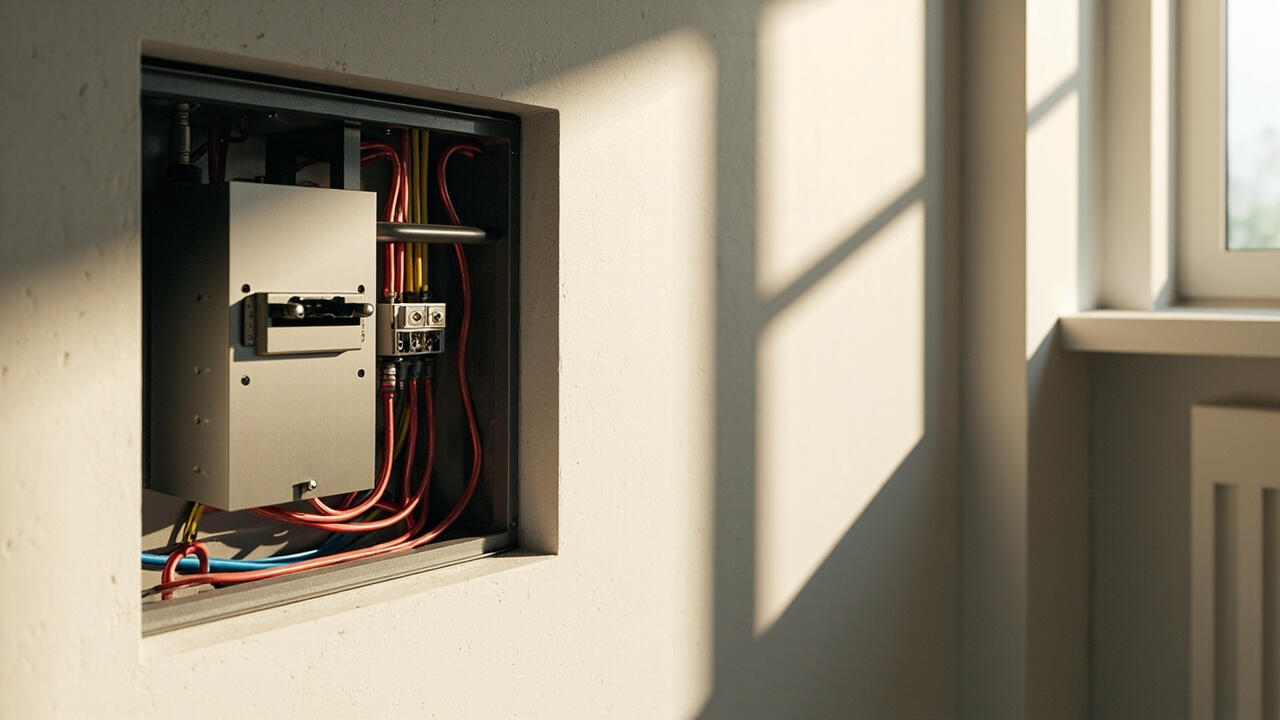
If your panel is under 25 years old and in good condition, repair is usually the right first move. If it is a Federal Pacific or Zinsco unit, replacement is recommended regardless of apparent condition. Age alone is not the deciding factor; condition, capacity, and code compliance matter more.
A load calculation reveals whether your system can handle planned additions. If you are adding an electric range, dryer, or EV charger and the panel is full, replacement or a sub-panel is needed. If loads are stable and the fault is isolated, repair is sufficient.
Permit requirements differ. Repairs of a single device may not need a permit in some jurisdictions, while panel work always does. Always confirm with your local building department before starting.
Cost is the practical filter. Repairs typically run 150 to 800 dollars. Panel replacement runs 1,500 to 4,000 dollars. Weigh the repair cost against the remaining life of the system and the risk of repeat failures.
How Home Electrical System Replace vs Repair Works Step by Step
Start with a professional inspection. A licensed electrician evaluates the panel, wiring, grounding, and protection devices. They identify code violations, wear, and capacity limits. This inspection usually costs 100 to 300 dollars and is the best money you can spend.
Next, get a written repair estimate and a replacement estimate. Compare them against the system’s age and your future plans. If repair cost exceeds 50 percent of replacement cost, replacement is usually the better value.
Check code compliance. Older systems may lack GFCI or AFCI protection, proper grounding, or correct wire sizing. Bringing a repaired system up to code can approach replacement cost, tilting the decision toward replacement.
Consider downtime and disruption. A repair may take hours; a panel replacement may take a day and require utility coordination. Plan around your schedule and any critical loads like medical equipment.
Insurance and resale matter too. Some insurers refuse to cover homes with certain panel brands. A replacement can improve insurability and resale value, while a repair on an obsolete system may not.
Home Electrical System Replace vs Repair Costs and Common Mistakes
Repair costs vary by fault. Replacing a breaker costs 100 to 250 dollars. Rewiring a single circuit costs 200 to 600 dollars. Fixing an outlet costs 75 to 200 dollars. These are typical ranges and vary by region.
Replacement costs include the panel, labor, permits, and possible service entrance upgrades. A 200 amp panel replacement averages 2,000 to 3,500 dollars. Add 500 to 1,500 dollars if the meter base or service drop must be upgraded.
A common mistake is repairing symptoms instead of causes. Repeated breaker trips may indicate an overloaded circuit or a failing appliance, not a bad breaker. Replacing the breaker without fixing the load just delays the problem.
Another mistake is ignoring aluminum wiring. Repairs on aluminum circuits require proper connectors and anti-oxidant compound. Using standard wire nuts creates fire risk. Remediation or replacement is the safe path.
Skipping permits to save money is a frequent error. Unpermitted work can void insurance and complicate resale. The permit cost is small compared to the protection it provides.
Where Home Electrical System Replace vs Repair Goes Wrong
Decisions go wrong when based on price alone. A cheap repair on an obsolete system may fail within months, costing more in repeated service calls. A full replacement when a simple repair would suffice wastes money and disrupts the home.
Misdiagnosis is common. Nuisance AFCI tripping is often blamed on the breaker, but the cause may be a shared neutral or damaged cable. Replacing the breaker without troubleshooting wastes money and leaves the hazard.
Utility issues are sometimes blamed on house wiring. Voltage fluctuations, flicker, and sags may originate at the transformer or service drop. Have the utility test before paying for internal work.
Homeowners also underestimate future loads. A panel that works today may be inadequate after adding an EV charger or heat pump. Plan for ten years of growth, not just current needs.
DIY repairs on live circuits are dangerous and often code-violating. Even simple tasks like replacing an outlet can go wrong if wiring is misidentified. When in doubt, hire a professional.
What to Do Next After Home Electrical System Replace vs Repair
Get two or three quotes from licensed electricians. Ask for a written scope, permit plan, and warranty. Compare not just price but the completeness of the proposal.
If replacement is recommended, review the types of home electrical system guide to understand your options. If you are selecting new equipment, the best home electrical system for your home page covers sizing and features.
Whatever you decide, insist on permits and inspection. Keep all documentation for insurance and resale. A safe, code-compliant system protects your family and your investment for decades.
Revisit the decision every few years as loads and technology change. What made sense five years ago may not today. Regular reassessment keeps your home safe and efficient.
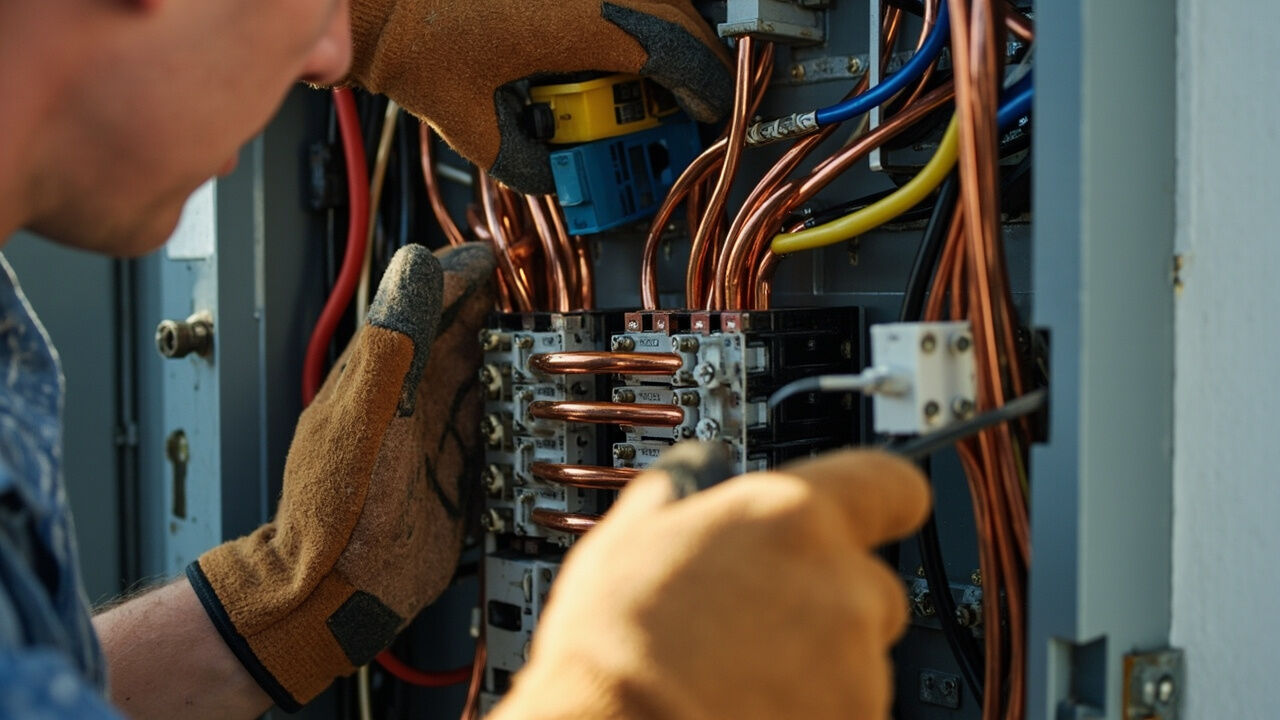
Document every finding and repair in a maintenance log. Future buyers and inspectors appreciate clear records, and you can track recurring issues before they become emergencies. A well-maintained electrical system is a selling point and a safety asset.
When evaluating a repair, ask the electrician to explain the root cause in plain language. Understanding why a fault occurred helps you prevent it from recurring. It also helps you judge whether the proposed fix addresses the problem or just the symptom.
Consider the age of connected appliances. An aging electric range or dryer can draw more current than its rating, stressing circuits. Replacing an inefficient appliance sometimes resolves electrical issues and saves energy at the same time.
Seasonal loads matter in many regions. Air conditioning in summer and electric heating in winter push systems to their limits. A panel that seems adequate in spring may trip repeatedly in peak season. Size for peak, not average.
If you are selling the home, a recent electrical upgrade with permits and inspection can speed the sale and reduce buyer negotiation. Buyers and their inspectors look closely at panel condition and labeling. Clean, documented work builds confidence.
Finally, never ignore burning smells, warm panels, or buzzing sounds. These are warning signs of serious faults. Shut off the main breaker if safe and call an electrician immediately. Quick action prevents fires and protects lives.
Financing options exist for larger projects. Many contractors offer payment plans, and home improvement loans or HELOCs can spread costs. Factor interest into the total cost when comparing repair versus replacement.
Rebates and incentives may offset upgrade costs. Utility programs sometimes offer rebates for efficient panels or EV-ready circuits. Check local and federal programs before finalizing your budget.
Labeling every breaker clearly is a small step with big benefits. During an emergency, knowing which breaker controls which circuit saves time and reduces stress. Use a printed directory and keep it near the panel.
After any work, test all GFCI and AFCI devices monthly and keep a simple log. Regular testing catches failures before they matter. Replace any device that fails to trip or reset promptly.
Plan for technology changes. Smart home devices, solar panels, and battery storage all affect electrical design. A flexible system with spare capacity adapts more easily to future innovations.
Working with a single trusted electrician over time builds familiarity with your home. They know its history and can spot gradual changes. Consistency improves safety and reduces diagnostic time.