
Bathroom renovation cost per unit comes down to three numbers: square footage, plumbing moves, and finish grade. A basic refresh on the same footprint runs roughly $120-$180 per square foot. Move a toilet or shower and you add $3,000-$7,000. Premium finishes push the top end past $300 per square foot. Here is how to estimate your own job without surprises.
Bathroom Renovation Cost Per Unit: What It Actually Takes
Cost per square foot is a planning tool, not a quote. It bundles labor, materials, and overhead into one number you can multiply by your room size. For a 50 square foot bath, $150 per square foot lands near $7,500 before contingency. That is a realistic starting point for a mid-grade refresh with no layout change.
The number moves with scope. Keeping the toilet, vanity, and shower in place saves the most money, because plumbing rough-in is the expensive part. Changing the layout, even by a few feet, means new supply lines, a new drain, and often a new vent. That is where budgets double.
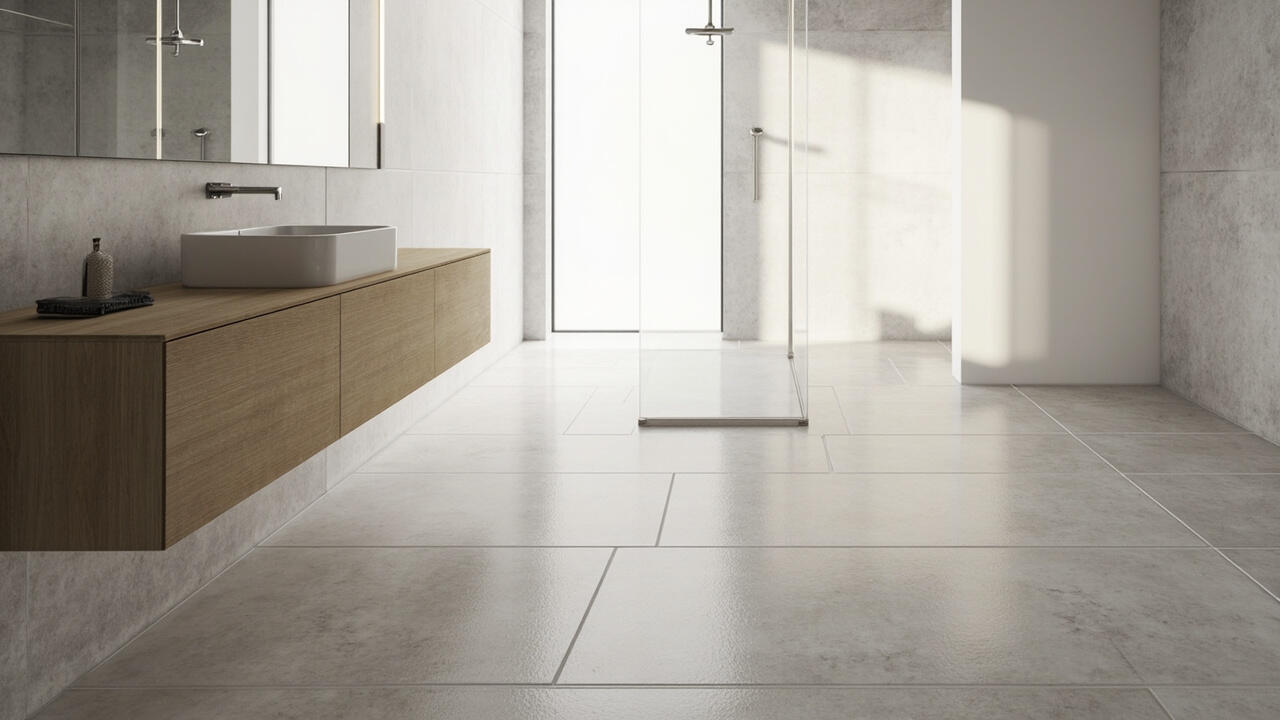
Finishes set the ceiling. Ceramic tile and stock vanities keep costs moderate. Natural stone, custom cabinetry, and frameless glass push the per-square-foot figure up fast. Decide your finish tier before you price the job, not after.
Do not forget demolition, disposal, and permit fees. These are often left out of early estimates and can add $1,500-$4,000. A complete budget lists every line, not just the pretty ones.
How Bathroom Renovation Cost Per Unit Works Step by Step
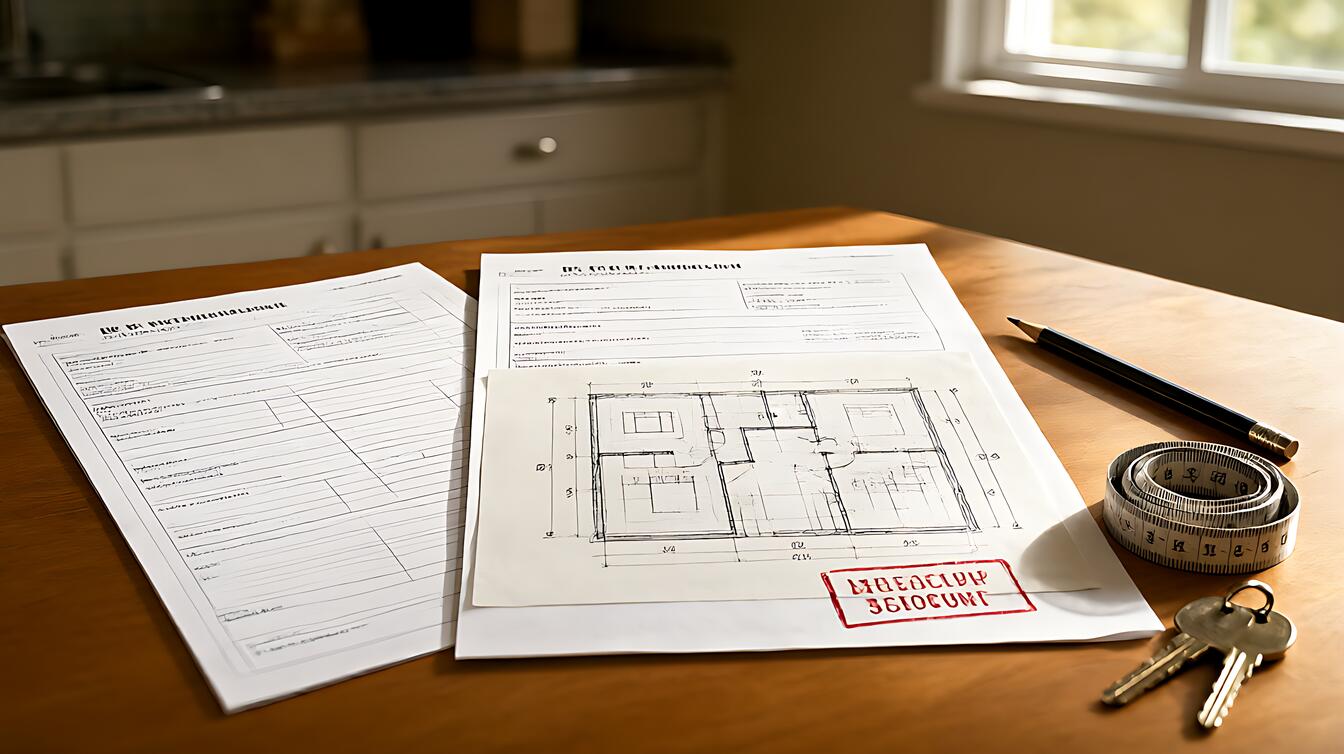
Measure the room in square feet, length times width. Then list every change: demo, plumbing, electrical, waterproofing, tile, fixtures, paint, and trim. Get unit prices for each from two contractors and a big-box quote sheet.
Waterproofing is non-negotiable and often underpriced. A proper membrane 0.8-1.2mm thick with 100mm overlaps and a 1-2% slope costs more than a quick paint-on sealer, but it is the difference between a bath that lasts and one that rots in three years. Budget $800-$2,000 for the envelope on a standard shower.
Add 15-20% contingency. Bathroom work hides surprises: rotted subfloor, outdated wiring, or a vent that does not reach outside. The contingency is not padding, it is realism. Projects that skip it usually stall halfway through.
Get written quotes with line items. Lump sums hide where the money goes. A line-item quote lets you compare scope, spot missing work, and negotiate specific items without redoing the whole bid.
Bathroom Renovation Cost Per Unit: Costs and Common Mistakes
Labor is roughly 40-50% of the total. Materials are 30-40%. Permits, disposal, and contingency make up the rest. If a quote is far outside these bands, ask why.
The biggest mistake is pricing only the visible work. Demo and tile get quoted while waterproofing, ventilation, and electrical get vague allowances. That is how a $10,000 estimate becomes a $16,000 invoice. Get line items, not lump sums.
Another mistake is chasing the lowest bid. A contractor who underprices the membrane or skips the slope will cost you far more in repairs later. Check references and ask specifically how they waterproof.
Do not upgrade mid-project. Change orders are the silent budget killer. A mid-project decision to upgrade tile or add a niche can add thousands. Lock the scope and finishes before demo, and put every change in writing with a price.
Regional Cost Variation and What Drives It
Labor rates swing the total more than materials. A mid-grade bath in a high-cost metro can run $250-$350 per square foot, while the same scope in a lower-cost market lands near $120-$180. Permit fees and disposal rates follow local rules, not national averages.
Supply chain matters too. Tile, vanities, and fixtures shipped long distances carry freight and lead-time risk. Buying locally stocked items keeps both cost and schedule predictable. Ask your contractor which products are in stock before you commit to a look.
Seasonal demand also moves price. Booking in a contractor’s slow season can shave 5-10% off labor. Rushing a job for a hard deadline usually costs more in overtime and expedited shipping.
Financing, ROI, and When to Spend More
A bathroom remodel rarely returns 100% of its cost at resale, but it protects against the bigger loss of a failed inspection or a buyer walking away. Mid-range projects typically recoup 60-70%. Spend on waterproofing, ventilation, and plumbing first; those protect value. Spend on cosmetic upgrades last.
If you must finance, compare a home equity line against a contractor’s payment plan. Watch for deferred-interest traps and fees. Paying cash in staged draws tied to milestones keeps both sides honest.
Do not borrow to chase premium finishes in a modest home. Match the finish tier to the house and the neighborhood. Over-improving a bath in a starter home rarely pays back.
Where Bathroom Renovation Cost Per Unit Goes Wrong
Permit fees and inspections add time and money, especially when plumbing or electrical changes. In many jurisdictions a bathroom remodel with layout changes requires a permit. Skipping it risks fines and problems at sale.
Hidden damage is the third trap. Once walls are open, rot, mold, or corroded pipes appear. This is where the contingency earns its keep. If the damage is extensive, revisit the replace-vs-repair decision before spending more.
Ventilation is often skipped to save money. A bath fan rated at 50 CFM minimum, vented outside, costs little and prevents most mold failures. Skipping it trades a small saving for a large future repair.
What to Do Next After Bathroom Renovation Cost Per Unit
Measure your room and pick a finish tier. Then get three written quotes with line items and a stated warranty on waterproofing. Compare them on scope, not just price.
While planning, review replace vs repair to confirm the scope is right. For the fixes that hold up, see bathroom renovation fixes that last.
Track every expense as you go. A simple spreadsheet with planned versus actual costs keeps the budget honest and makes the next renovation easier to estimate.
One final check: before signing, confirm the quote states who pulls the permit, who hauls debris, and what happens if hidden damage appears. Vague answers here become expensive surprises later, and a clear scope protects both sides.
Remember that per-square-foot figures are planning aids. Your final number depends on your market, your choices, and what the walls reveal. Use the estimate to set a budget ceiling, then hold the line with written quotes and a firm scope.
Recheck the numbers after demo, since hidden conditions can shift costs by ten percent or more before finishes are installed.