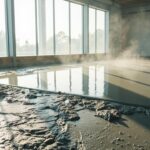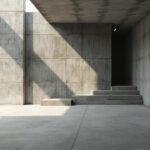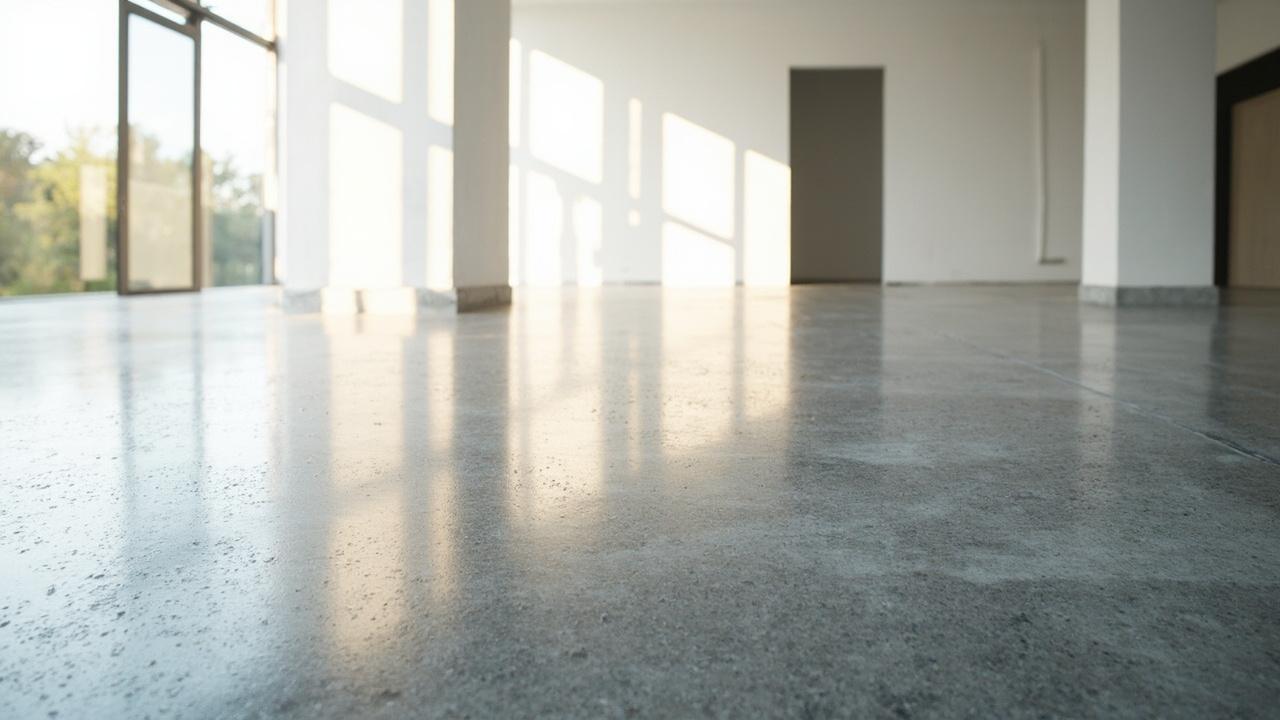

If you are considering concrete flooring for your home or renovation project, the essential decision is not whether concrete works—it absolutely does—but which concrete flooring option aligns with your room’s moisture level, foot traffic, and design goals. Concrete flooring is a durable, low-maintenance surface where the structural slab becomes the finished floor—polished, stained, or coated rather than covered. The right choice depends on slab condition, intended use, and budget. Here is how to evaluate your options and pick confidently.
What Concrete Flooring Options Actually Are
Concrete flooring refers to systems where the structural concrete slab becomes the visible finished surface. Instead of covering the slab with tile, wood, or carpet, the concrete itself is treated through polishing, staining, stenciling, or coating to create a functional, attractive floor. These systems fall into four primary categories: polished concrete, stained concrete, epoxy-coated concrete, and microtopping overlay. Each serves different conditions and budgets, and the wrong choice leads to premature wear, moisture damage, or aesthetic disappointment.
Polished concrete uses mechanical grinding with progressively finer diamond abrasives—typically 120-grit through 3000-grit—to achieve a reflective, stone-like finish. The process includes densifier application, usually lithium silicate, which chemically reacts with free lime in the concrete to create a harder, more durable surface. Stained concrete applies acid-based or water-based color solutions that penetrate the surface, creating variegated, natural-looking tones that cannot peel or chip. Epoxy coating bonds a 2-3mm resin layer over the slab, offering seamless color, chemical resistance, and a waterproof barrier. Microtopping, a polymer-modified cement overlay 1-2mm thick, works on damaged or uneven slabs where polishing alone will not suffice.
The key distinction between these options is not appearance—it is substrate compatibility. Polished concrete requires a structurally sound slab with minimal cracking. Stained concrete works on most surfaces but shows existing imperfections. Epoxy hides minor flaws but demands rigorous moisture control. Microtopping resurfaces everything but adds cost and requires professional installation for reliable adhesion.
How Each Option Performs in Real Conditions
Performance depends on slab moisture vapor emission rate, measured in lbs per 1000 sq ft per 24 hours. Most concrete slabs read between 3-8 lbs when fully cured, and epoxy systems fail above 5 lbs without a moisture mitigation barrier. Polished concrete tolerates higher moisture because the slab breathes naturally. If your slab tests above 5 lbs, avoid epoxy and choose polish or stain with a penetrating sealer instead. This single test—calcium chloride per ASTM F1869 or relative humidity probe per ASTM F2170—prevents the most common cause of flooring failure: delamination caused by hydrostatic pressure pushing moisture up through the slab.
Foot traffic and use patterns determine longevity. Polished concrete with densifier handles heavy commercial traffic—10,000+ daily passes—without visible wear. In residential settings, it easily lasts 20 years with only occasional resealing. Epoxy performs well in garages and workshops where chemical resistance matters, but shows scratches under dragging furniture and can yellow under UV exposure. Expect to recoat every 5-7 years in high-traffic garage applications. Stained concrete requires resealing every 2-3 years in wet areas like bathrooms or entryways, but the color never fades because it penetrates rather than sits on the surface. Microtopping suits low-traffic residential spaces—bedrooms, living rooms—where surface aesthetics matter more than structural longevity. It is not recommended for workshops or garages.
Temperature and substrate movement matter too. Concrete slabs expand and contract with temperature changes. In sun-exposed rooms with large windows, polished concrete can create noticeable glare—a matte sealer reduces this while maintaining durability. In basements with potential hydrostatic pressure, epoxy without a moisture barrier will bubble and peel within months. Stained concrete with a breathable penetrating sealer handles these conditions more gracefully.
Comparing Costs and Suitability
The table below shows typical installed costs per square foot, durability ranges, and best-use scenarios for each option. Costs vary by region and slab condition—damaged slabs requiring leveling or crack repair add $2-$5 per square foot to any option.
| Option | Installed Cost/sq ft | Best For | Lifespan | Maintenance Cycle |
|---|---|---|---|---|
| Polished Concrete | $3-$8 | Open-plan living, basements, commercial | 20+ years | Reseal every 3-5 years |
| Stained Concrete | $2-$6 | Living rooms, patios, accent areas | 10-15 years | Reseal every 2-3 years |
| Epoxy Coating | $3-$12 | Garages, workshops, industrial | 5-10 years | Recoat every 5-7 years |
| Microtopping Overlay | $8-$15 | Renovated interiors, damaged slabs | 10-15 years | Reseal every 3-4 years |
Polished concrete offers the best long-term value for dry interior spaces with sound slabs. Choose epoxy when you need chemical resistance or a seamless, washable surface—garages, laundry rooms, workshops where oil and chemicals land on the floor. Stained concrete suits homeowners wanting natural stone aesthetics at moderate cost, particularly in living areas with moderate foot traffic. Microtopping makes sense only when the existing slab is too damaged for polishing but demolition and repouring is impractical—think older homes with uneven, cracked slabs that need resurfacing before any finish system adheres properly.
For most homeowners, polished concrete strikes the best balance between cost, durability, and aesthetics. If your slab is in reasonable condition—no major structural cracks, moisture reading under 5 lbs—you get a floor that outperforms carpet, rivals hardwood, and costs less than natural stone tile.
Installation Requirements and Common Mistakes
Every concrete flooring system demands proper slab preparation. For polished concrete, the slab must achieve FF30 flatness minimum—meaning no more than 3/16-inch deviation over 10 feet. Achieving this may require targeted grinding or self-leveling underlayment before polishing begins. Epoxy requires shot-blasting or diamond grinding to achieve CSP 3-5 surface profile before coating. Skipping surface prep causes delamination within 6-12 months, regardless of product quality.
The most common mistake is ignoring moisture entirely. Concrete slabs poured directly on grade continuously wick groundwater through capillary action. Without a moisture test—calcium chloride test per ASTM F1869 or relative humidity probe per ASTM F2170—you are guessing, and wrong guesses cost thousands in failed flooring. Another frequent error is applying epoxy below 55°F; the resin will not cure properly and remains soft and sticky. In unheated garages or basements, wait for warmer conditions or use a low-temperature formulation. Finally, polished concrete in direct sunlight creates glare that many homeowners find uncomfortable—consider a matte or satin sealer rather than high-gloss in sun-exposed rooms with large south-facing windows.
Substrate cracks require attention too. Hairline cracks under 1/4-inch work fine with polished or stained concrete. Wider cracks need routing and filling before any finish system goes on. Active structural cracks—those that change width seasonally—signal foundation movement that no surface treatment will fix. Address the underlying issue before investing in finished flooring.
Limitations and Next Steps
Concrete flooring is hard underfoot and transmits cold from the slab. If you plan to stand for long periods—kitchens, workshop benches—add anti-fatigue mats or consider radiant heating beneath the polish. Hydronic radiant systems work beautifully with polished concrete, turning the slab’s thermal mass into an efficient heat reservoir. Concrete also amplifies sound in open spaces—area rugs and soft furnishings help, but if sound transmission between floors is a concern, add an acoustic underlayment before finishing.
For structural cracks wider than 1/4-inch, active water intrusion, or slabs with moisture readings above 8 lbs, consult a licensed concrete contractor before committing to any finish system. These conditions may require crack injection, exterior drainage improvements, or a full moisture mitigation system before flooring goes down.
Once you have selected your option, calculate your actual project cost using a concrete slab cost guide, or explore how concrete compares to other hard surfaces in our flooring options comparison. If your slab has existing damage, review foundation assessment basics first to understand what you are working with.